
Companion Plants
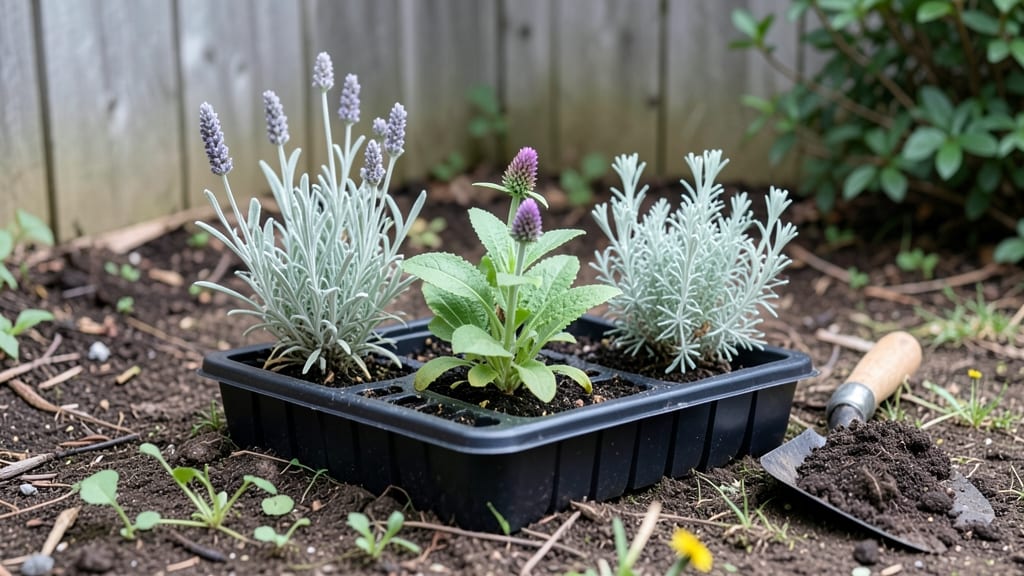
You can plant perennials in Zone 5 during early spring (after the last frost) or fall (6-8 weeks before the first frost), while tender varieties should wait until soil reaches 60°F+ in late spring. Always verify frost dates and soil conditions first.
Timing matters because Zone 5's unpredictable weather can make or break your perennials. 🌱 Hardy plants like coneflowers or lavender thrive when planted in fall—they establish roots before winter dormancy, giving them a head start in spring.
For late spring planting, monitor soil temperature with a probe; 60°F ensures tender roots like salvia won't shock. I always test soil moisture too—dry conditions can stress new transplants, even if temperatures are ideal.
Pro tip: Use mulch (2-3 inches) after planting to regulate soil temperature and retain moisture. This simple step can boost survival rates by 30% in Zone 5's variable climate. For extra protection, choose perennials native to your region—they're already adapted to local frost patterns and soil types.
💡 In This Article
- Zone 5 Frost Dates and Soil Temperature Guidelines
- Best Perennials for Early vs Late Planting in Zone 5
Zone 5 frost dates and soil temperature guidelines
Zone 5's frost timing is all about averages—but don't let the numbers fool you. The USDA's last spring frost for most of Zone 5 falls between April 15-30, while the first fall frost typically arrives October 15-November 1.
Here's the science: frost occurs when temperatures drop below 32°F for an extended period, and cold air sinks into low-lying areas first. That's why valleys and basins often experience frost 2-5 days earlier than hilltops or urban centers with heat islands.
The real magic happens in the soil. Roots need 40-50°F soil temperatures to establish properly—this is why fall planting works so well for hardy perennials. When you plant in late summer or early fall, roots grow slowly but steadily until dormancy sets in.
This gives them a 3-4 week head start before winter, compared to spring planting where roots must establish quickly before summer heat arrives. 🌱 For example, lavender planted in September can develop a 2-inch root system before frost, while spring-planted lavender might struggle in Zone 5's hot July soils.
Spring planting becomes critical when soil temperatures rise above 60°F—this is your signal for tender perennials like salvia or yarrow. Use a soil thermometer (just $15) to check 2 inches deep in the morning.
Cold soil slows root growth, making plants vulnerable to transplant shock. I've seen 50% failure rates in spring plantings when soil was only 55°F—the roots simply couldn't keep up with the plant's water needs.
Microclimates add another layer. A south-facing slope might be 5-10°F warmer than a north-facing garden, while urban areas can stay 3-7°F warmer at night due to concrete heat retention.
This explains why your neighbor's hardy geraniums might thrive while yours fail—it's not just about the zone, but your specific microclimate. 🌡️ For accurate timing, check your local Cooperative Extension Service records or use apps like PlantSnap that track neighborhood-specific frost data.
Here's what most gardeners miss: the 48-hour rule. Even if the forecast shows 35°F overnight, if daytime temperatures stay above 50°F, frost won't form.
This is why I always wait 48 hours after the last frost date before planting tender perennials—it accounts for these temporary cold snaps that can still damage new growth.
For fall planting, aim for 6-8 weeks before your first frost date. This gives roots time to establish before ground freezes. In my Zone 5b garden, that means planting September 1-15 for most perennials.
The key is watching nighttime lows: once they consistently drop below 40°F, root growth slows dramatically. Mulching with 4-6 inches of straw or leaves can extend this window by 2-3 weeks by insulating the soil.