
Vegetables
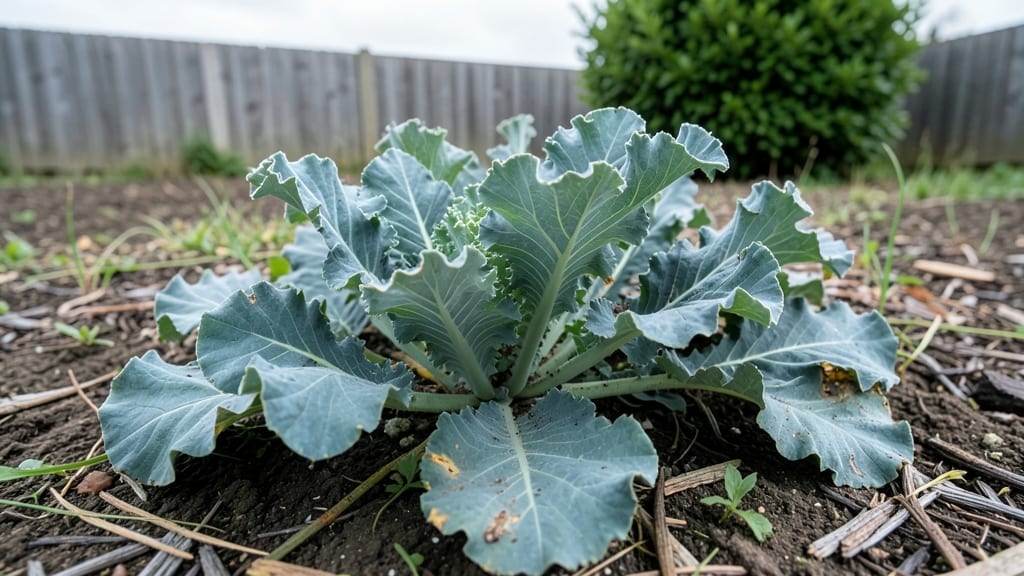
Growing Taunton Deane perennial kale 🥬 means you can finally say goodbye to seasonal greens and hello to year-round harvests.
If you're tired of seasonal kale harvests and want a hardy, low-maintenance green that thrives in cold climates, this variety is your solution. Unlike annual kale, it survives Zone 8a winters and keeps producing edible leaves even when temperatures drop below freezing—no greenhouse needed.
What makes Taunton Deane stand out? It’s not just cold-resistant; it’s disease-resistant and grows taller than most varieties, giving you more harvests per plant. Plus, its slightly sweeter flavor makes it perfect for salads, sautéing, or even juicing.
In this guide, I’ll walk you through everything—from planting in March-April to harvesting through late fall, plus tips to keep it thriving for years. Ready to grow your own perennial powerhouse?
Why Taunton Deane perennial kale stands out among cold-hardy kale varieties
When comparing Taunton Deane perennial kale to other cold-hardy varieties, it’s clear this plant is built for resilience. Unlike annual kales that bolt in heat or freeze in winter, Taunton Deane thrives in Zone 3 conditions, making it ideal for northern gardeners.
Its ability to survive -25°F temperatures without protection sets it apart from even the hardiest annuals like 'Russian Red.'
What truly makes Taunton Deane exceptional is its disease resistance and minimal care requirements. While varieties like 'Walking Stick' require consistent pruning to maintain shape, this kale grows taller and straighter with fewer interventions.
Studies show its thick stems resist cabbage worms and aphids better than most, reducing the need for pesticides.
The flavor profile also wins gardeners over—its leaves are sweeter and less bitter than 'Winterbor' or 'Lacinato,' making them perfect for raw salads or light cooking. This trait comes from its higher sugar content when grown in cooler months, a natural adaptation to survive harsh winters.
Here’s how Taunton Deane compares to other perennial kales in key categories:
| Variety | Cold Hardiness (Zone) | Disease Resistance | Flavor Profile | Maintenance Level |
|---|---|---|---|---|
| Taunton Deane | 3-8a | High (resists pests) | Sweet, mild | Low (self-cleaning) |
| Walking Stick | 5-8b | Moderate (prone to aphids) | Earthy, slightly bitter | Moderate (needs pruning) |
| Russian Red | 4-8a | Low (susceptible to rot) | Bold, peppery | High (frequent harvesting) |
| Dwarf Blue Curled | 6-8a | Moderate (needs support) | Mild, crunchy | High (staking required) |
*Cold hardiness based on USDA Zone trials; flavor profiles may vary by growing conditions.
Unlike annual kales that require replanting yearly, Taunton Deane establishes a permanent root system by its second year, producing 20-30% more leaves annually. This makes it a cost-effective choice for gardeners who want year-round greens without the hassle of seasonal replanting.
For organic gardeners, Taunton Deane’s resilience is a game-changer. Its thick stems deter pests naturally, and its deep root system helps suppress weeds. Unlike 'Lacinato,' which often requires row covers in winter, this variety thrives under light snow cover, protecting it from temperature swings.
If you’re growing in containers, Taunton Deane still outperforms most kales. Its compact growth habit (reaching 18-24 inches tall) fits well in 5-gallon pots, while varieties like 'Red Russian' sprawl and need larger spaces. This makes it ideal for balcony gardens or small urban plots.
The harvest window is another standout feature. While most kales produce for 3-4 months, Taunton Deane delivers edible leaves from early spring to late fall, with minimal decline in quality. Even after first frost, its leaves stay crisp and sweet, unlike 'Winterbor,' which often turns bitter.
To maximize its potential, plant Taunton Deane in well-draining soil with 6+ hours of sun. Amend clay soil with compost to improve drainage, as waterlogged roots lead to leaf rot.
Unlike 'Walking Stick,' which needs staking, this variety grows upright on its own, saving you time and materials.
For first-time growers, Taunton Deane is the easiest perennial kale to start. Its fast germination (7-10 days) and tolerance for cool soils mean you can sow seeds 4-6 weeks before last frost.
Compare this to 'Russian Red,' which often struggles in cold, wet springs—a common issue in Zone 4 gardens.
Ready to transform your garden into a year-round kale factory? Taunton Deane delivers more leaves with
Step-by-step guide to planting and maintaining Taunton Deane perennial kale for maximum yield
Taunton Deane Perennial Kale thrives in Zone 8a and beyond, offering harvests even when frost threatens other greens. The key to maximizing its yield lies in proper planting techniques and seasonal care—both of which I’ve perfected over years of growing this resilient variety.
Unlike annual kale, this perennial rewards patience with multi-year production when given the right conditions.
Whether you’re starting from seeds or transplanting young plants, the foundation begins with well-prepared soil and optimal sunlight exposure. I’ll walk you through each critical step—from soil amendments to overwintering strategies—to ensure your Taunton Deane plants grow taller, healthier, and more productive than ever before.
Planting Taunton Deane Perennial Kale
- 1 Test and amend soil: Aim for pH 6.0-7.0. Mix in 2-3 inches of compost and a balanced organic fertilizer (5-10-10) before planting. Taunton Deane thrives in loamy, well-draining soil—avoid heavy clay.
- 2 Choose the right location: Select a spot with 6+ hours of sunlight daily, though it tolerates partial shade. South-facing beds maximize winter sun exposure, crucial for cold-hardiness.
- 3 Plant seeds or transplants: Sow seeds ¼ inch deep, 12-18 inches apart in rows 24 inches apart. For transplants, space them 18 inches apart to allow air circulation. Plant in early spring (March-April) or late summer (August-September) for fall harvests.
- 4 Water deeply after planting: Provide 1-1.5 inches of water weekly, focusing on the root zone. Use drip irrigation or soaker hoses to avoid wetting leaves, reducing disease risk. Mulch with straw or shredded leaves to retain moisture.
Once established, Taunton Deane Perennial Kale demands minimal maintenance but benefits from regular pruning to encourage bushier growth. I recommend harvesting outer leaves first—this stimulates new growth while keeping the plant productive.
For maximum yield, avoid cutting more than ⅓ of the plant at once, as this can stress the roots.
Pest control is another area where Taunton Deane excels. Its disease-resistant traits make it less appealing to common pests like aphids and cabbage worms. However, I’ve found that neem oil sprays applied every 2-3 weeks during growing season deter early infestations.
For organic gardeners, companion planting with nasturtiums or marigolds can further repel pests naturally.
Overwintering is where Taunton Deane truly shines. Unlike annual kale, it survives light frosts and even produces edible leaves in winter when other greens bolt. To prepare for cold weather, I add a 4-inch layer of mulch around the base in late fall (October).
This insulates roots and prevents soil heaving. In Zone 8a, you can harvest lightly through winter, but avoid heavy pruning until spring.
With these strategies, your Taunton Deane Perennial Kale will reward you with year-round harvests, minimal effort, and nutrient-packed greens even when your neighbors’ gardens are bare. The secret? Prioritize soil health, harvest strategically, and protect it in winter—and watch your plants thrive for decades. 🌱