
Flowers
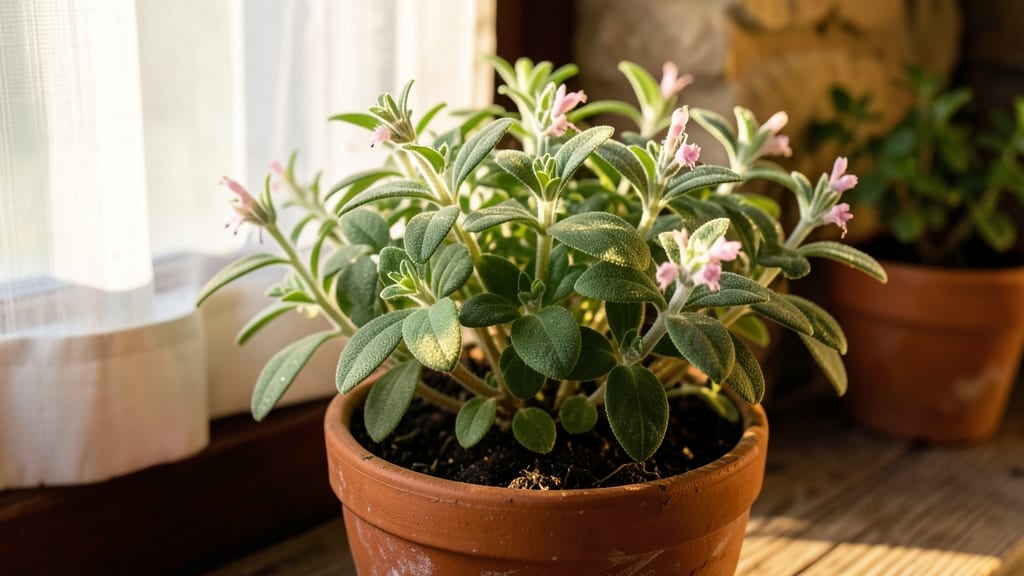
Yes, Italian oregano is a perennial herb that thrives year-round in USDA zones 5-9, thanks to its hardy underground rhizomes and woody stems that regrow annually from the root system after frost or pruning. Proper winter care extends its lifespan beyond two years in colder climates.
Italian oregano's perennial nature comes from its tough root system, which stores energy underground to fuel new growth each spring.
Unlike annual herbs that die back completely, these rhizomes act like a built-in survival kit—sending up fresh stems even after harsh winters. 🌱 The key to long-term success lies in protecting these roots during dormancy, whether through mulching or strategic pruning.
Many gardeners discover their Italian oregano plants return stronger each year when given proper seasonal care.
This hardiness makes it perfect for Mediterranean-style gardens where winter dieback isn't a concern. The woody stems develop over time, creating a more robust plant that can withstand light frosts.
What's fascinating is how different cultivars respond—some varieties handle zone 4 winters with minimal protection, while others thrive in coastal climates with milder temperatures.
💡 In This Article
- How Italian Oregano’s Rhizomes Enable Perennial Growth
- Year-Round Care Tips for Italian Oregano’s Perennial Lifespan
How Italian oregano’s rhizomes enable perennial growth
Italian oregano's perennial nature stems from its specialized underground structures: rhizomes and crowns, which act as energy reserves and growth engines. These woody, horizontal stems spread just below the soil surface, storing carbohydrates and nutrients that fuel regrowth after winter dormancy.
Unlike annual herbs that complete their life cycle in one season, Italian oregano's rhizomes can persist for 5-10 years or more under ideal conditions, producing new shoots each spring from dormant buds.
The cold hardiness varies by cultivar, with most varieties surviving USDA zones 5-9 (-20°F to 30°F). For example, 'Grosso' oregano handles zone 5 winters with minimal protection, while 'Hot & Spicy' may need extra mulch in zone 4.
The rhizomes contain antifreeze proteins that prevent ice crystal formation in cell walls, a survival mechanism shared with other hardy perennials like mint. Soil drainage is critical—waterlogged roots can rot, while well-draining, slightly alkaline soil (pH 6.0-8.0) supports robust rhizome development.
What sets Italian oregano apart is its woody stem base, which thickens over time. This structural support allows the plant to withstand light pruning without compromising its ability to regenerate. In Mediterranean climates where winters are mild, the rhizomes remain active year-round, producing continuous growth.
Even in colder regions, the crown (where stems meet roots) contains protected meristem tissue that remains viable through frost, ensuring new leaves emerge as soon as temperatures rise above 40°F.
Soil composition plays a surprising role in perennial survival. Sandy loam soils provide the best balance of aeration and moisture retention, while heavy clay can restrict rhizome expansion. Organic matter like compost enhances microbial activity around the roots, which helps break down stored nutrients into usable forms for regrowth.
Many gardeners notice their Italian oregano thrives in full sun (6+ hours daily) but can tolerate partial shade, though shade reduces the plant's cold tolerance by weakening rhizome development.
Here’s how the regrowth process works: As spring temperatures approach 50°F, the rhizomes detect increasing light levels and begin synthesizing auxin hormones, which stimulate bud growth. Within 2-3 weeks, new shoots emerge from the crown, while older stems may die back naturally—a sign of healthy perennial cycling.
This cycle repeats annually, with the rhizomes expanding by 1-2 inches per year under optimal conditions, creating a denser, more productive plant over time.
The perennial advantage becomes clear when comparing Italian oregano to annual varieties like marjoram. While marjoram must be replanted yearly, Italian oregano's rhizomes allow it to double in size each growing season with proper care. This makes it a low-maintenance herb for gardeners seeking long-term harvests without replanting.
The trade-off? Perennial oregano requires initial establishment time (1-2 years) before reaching peak productivity, but the payoff is decades of harvests with minimal effort.