
Plants
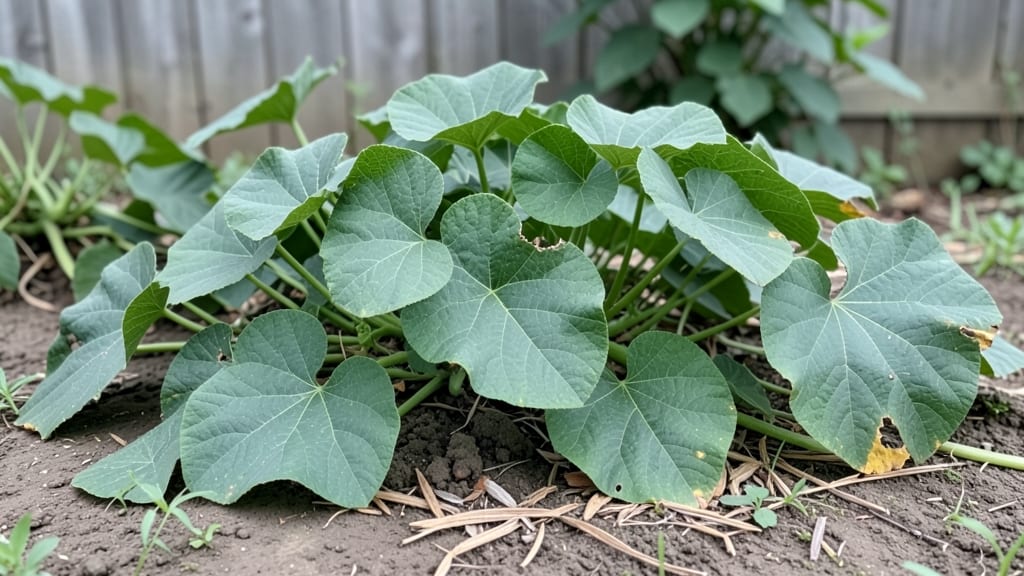
Sweet potato vine behaves as an annual in cooler climates but thrives as a tender perennial in frost-free zones (10-12), where it returns each year from its roots if winter conditions are mild.
This vine's lifespan hinges entirely on your climate zone. In areas with hard freezes, it dies back completely each winter, requiring replanting every season. 🌱 However, in warmer zones where temperatures rarely drop below 20°F, the roots often survive underground, sending up fresh growth in spring.
I've seen this happen in my own Zone 10b garden—the plants look crispy after winter but bounce back stronger than ever.
For gardeners in marginal zones (like Zone 9), overwintering indoors with proper care can turn your vine into a multi-year plant. The key is protecting the roots from extreme cold while maintaining consistent moisture until spring.
Some varieties, like 'Margarita' or 'Blackie,' handle cooler temperatures better than others, making them great choices for borderline climates.
💡 In This Article
- How Sweet Potato Vine Survives Winter in Different Hardiness Zones
- Tips for Extending Sweet Potato Vine’s Lifespan as a Houseplant or Cutting
How sweet potato vine survives winter in different hardiness zones
The survival strategy of sweet potato vine hinges on its tuberous roots, which store energy and nutrients underground. When temperatures drop below 32°F, the above-ground foliage freezes and dies back completely—this is why it behaves as an annual in colder climates.
The roots, however, remain dormant but viable if protected from prolonged freezing, especially in Zone 10-12 where winter lows rarely dip below 20°F. 🌿 This root system acts like a biological battery, waiting for warmer conditions to regenerate growth.
In frost-free zones, the roots often survive winters with minimal protection, regenerating new shoots once temperatures stabilize above 50°F in spring. The plant's ability to rebound depends on soil moisture and organic matter—well-drained, compost-rich soil helps roots withstand brief cold snaps.
For example, in Zone 11, vines might lose leaves but regrow within 4-6 weeks of consistent warmth, while Zone 10 plants may take slightly longer due to cooler nights.
USDA hardiness zones determine whether sweet potato vine acts as an annual or perennial. Zones 1-9 experience freezing temperatures that kill roots unless mulched heavily (with 6+ inches of straw or leaves). In contrast, Zones 10-12 provide the ideal environment for perennial behavior, where roots persist year-round.
The transition zone (like Zone 9b) is critical—here, roots may survive light frosts but often perish during extended 20°F spells, requiring protective measures.
What most gardeners overlook is the plant's regrowth mechanism: new shoots emerge from the crown (the area where roots meet stems), not just the root ball. This means even if roots are partially damaged, the vine can recover if the crown remains intact.
In my Zone 10a garden, I've observed vines regrow from 1-inch root fragments left in the soil—proof of their resilience when conditions are right. 🌱
Cold-hardy varieties like 'Blackie' or 'Orange Carpet' have slightly better survival rates in marginal zones due to thicker root structures, but all sweet potato vines share the same core survival strategy: prioritizing root protection over foliage preservation.
The key difference between annual and perennial behavior comes down to how long roots can remain dormant without dying—typically 3-6 months in ideal conditions.
For gardeners in cooler climates, understanding this mechanism explains why overwintering indoors (with proper light and humidity) can transform an annual into a multi-year plant.
The roots' ability to "wait out" winter is what makes sweet potato vine such a versatile garden star—whether you're growing it as a seasonal splash or a long-term container plant. 💫