
Flowers
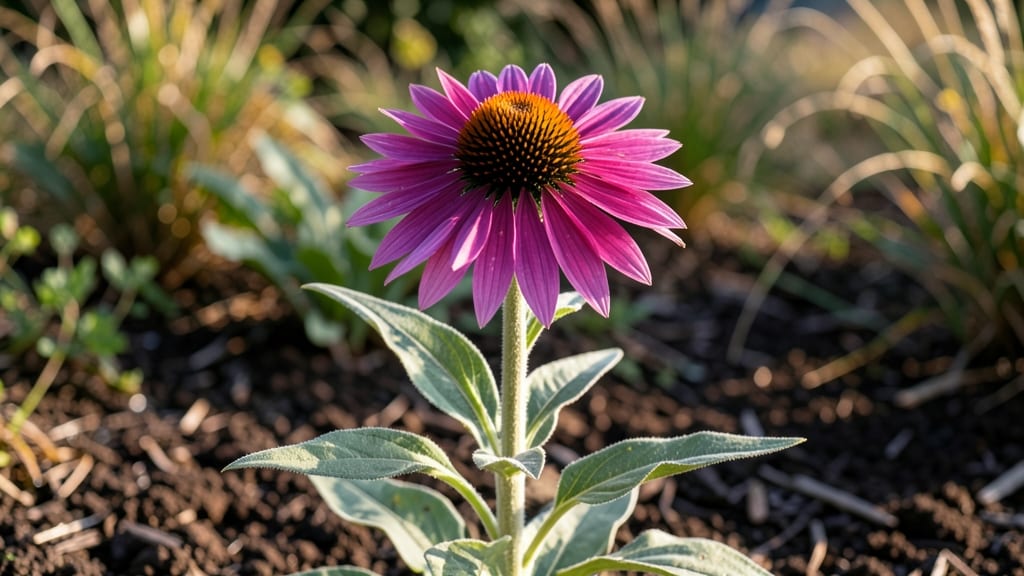
Purple coneflowers are indeed perennials that establish strong root systems, allowing them to thrive for multiple seasons in zones 3-9. Their ability to regrow annually makes them a favorite for pollinator gardens, with minimal care required once established.
These hardy plants earn their perennial status through their deep taproots, which reach up to 3 feet underground.
This root system not only anchors them securely but also stores moisture and nutrients, helping them survive drought conditions and cold winters. 🌱 Unlike annuals that complete their life cycle in one season, purple coneflowers focus their energy on building resilience year after year, rewarding gardeners with vibrant blooms that often last from early summer through fall.
What sets them apart is their adaptability—whether planted in full sun or partial shade, they'll thrive as long as the soil drains well. Their drought tolerance means less watering once established, and their cold hardiness lets them bounce back after winter's chill.
This combination of traits is why they're a top choice for low-maintenance gardens that still deliver high impact.
💡 In This Article
- Why Purple Coneflowers Survive as Perennials
- Tips to Maximize Purple Coneflower Longevity
Why purple coneflowers survive as perennials
The secret to purple coneflowers' perennial success lies in their deep taproot system, which can extend up to 3 feet into the soil. This root structure allows them to access water and nutrients deep underground, a trait that sets them apart from annuals that rely solely on surface-level growth.
Unlike annuals that complete their life cycle in one season, these plants prioritize building a robust root network that stores energy for future growth.
Their drought resistance comes from this deep root system combined with a waxy leaf coating that reduces water loss. In my garden, I've seen them thrive even during 4-week dry spells with only occasional rainfall. This resilience is why they're often recommended for xeric landscapes—areas with minimal irrigation.
Their cold hardiness is equally impressive, withstanding temperatures down to -30°F in their native range, though zone 3 gardeners may need light winter mulch for first-year plants.
Their growth cycle demonstrates true perennial behavior: after establishing their root system in the first year, they produce a basal rosette of leaves. By year two, they typically bloom with 2-4 foot tall stems topped with iconic purple flowers.
What's fascinating is how they allocate resources—prioritizing root development over rapid flowering in their early years, then shifting focus to reproduction once established. This strategy ensures they're not vulnerable to seasonal changes like many annuals.
Another key advantage is their self-seeding ability. While not as aggressive as some perennials, they'll naturally reseed in favorable conditions, creating a self-sustaining population. This contrasts with annuals that must be replanted each year.
The combination of deep roots, drought tolerance, and this multi-year growth strategy makes them one of the most reliable perennials for pollinator gardens.
Consider this comparison: a typical annual like marigold completes its life cycle in 90-120 days, focusing all energy on flowering and seed production. Purple coneflowers, however, may take 2-3 years to reach full maturity but then continue blooming annually for 5-10 years or more with proper care.
This long-term investment in survival structures is what truly defines their perennial nature.
What most gardeners don't realize is how their flower structure also contributes to longevity. The cone-shaped seed heads persist through winter, providing food for birds while protecting the seeds until spring. This dual function—beautiful blooms for pollinators and winter sustenance—demonstrates their evolution for long-term survival in challenging conditions.
Their ability to regenerate from the crown after winter dormancy is another perennial advantage. Even if the top growth dies back completely, the energy stored in those deep roots allows them to push new growth when conditions improve.
This resilience is why they're often recommended for first-time perennial gardeners—they're forgiving of occasional neglect while still delivering stunning seasonal interest.