
Flowers
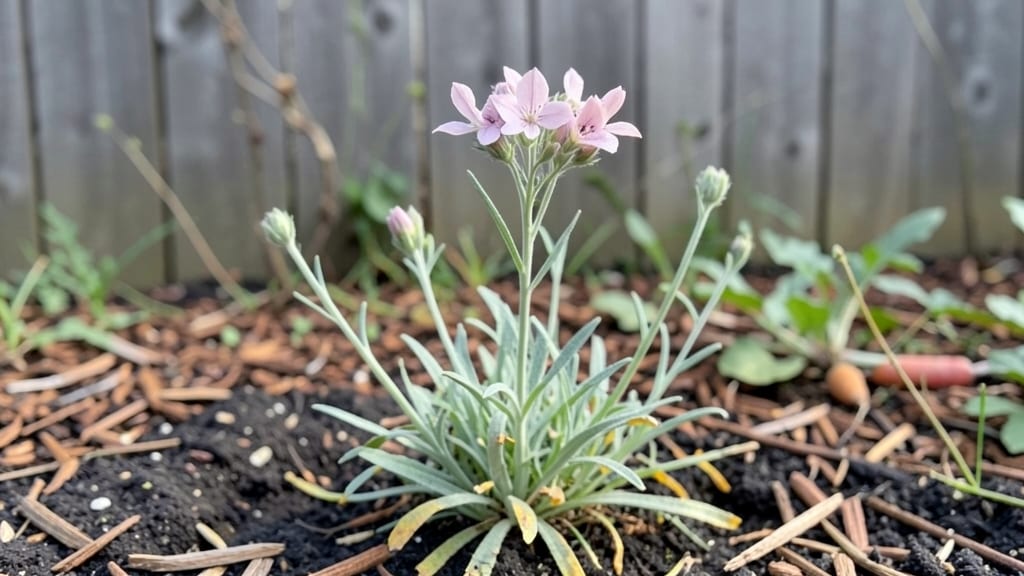
Growing a rose campion perennial 🌸 means adding a drought-resistant, low-maintenance star to your garden that blooms for months without fuss.
Imagine a perennial flower that thrives in harsh climates, demands minimal care, and bursts into vibrant blooms year after year—rose campion is that effortless beauty waiting to transform your garden.
This hardy plant thrives in USDA Zone 6a and beyond, making it perfect for gardeners who want color without the constant upkeep. With the right planting tips, you’ll enjoy spring blooms from March to April that last well into summer.
Below, I’ll walk you through everything from soil prep to pruning, so you can enjoy year-round drama with almost no effort.
How to plant rose campion perennials for maximum climate resistance
Rose campion (Lychnis coronaria) is a climate-resistant perennial that thrives in hardiness zones 3-9, making it perfect for gardens facing extreme heat, cold snaps, or drought.
Unlike fussy flowers, this plant adapts effortlessly to poor soil and low-maintenance conditions while still delivering stunning magenta, pink, or white blooms from early summer to fall. The secret to its success? Strategic planting that aligns with your local climate challenges.
Whether you're in a hot desert zone or a frigid northern region, rose campion’s deep root system and drought tolerance give it an edge. But to unlock its full potential, you’ll need to focus on three critical factors: soil preparation, sunlight exposure, and seasonal timing.
Let’s dive into the step-by-step process to ensure your rose campion not only survives but thrives year after year.
Choose the Right Location
Select a spot with full sun exposure (6+ hours daily) for optimal blooming. In hot climates (zones 7-9), opt for morning sun + afternoon shade to prevent wilting. In cold zones (3-6), ensure unobstructed sunlight to build root strength before winter.
Test and Amend Your Soil
Rose campion tolerates poor, rocky, or sandy soil, but it flourishes in well-draining, slightly alkaline soil (pH 6.0-7.5). Add compost or aged manure to improve fertility without compacting the soil. In clay-heavy areas, mix in perlite or coarse sand to prevent root rot.
Time Your Planting for Climate
For zones 3-5, plant in early spring (after last frost) or early fall to establish roots before extreme cold. In zones 6-9, plant in late winter or early spring to avoid summer heat stress. Container planting extends flexibility—transplant anytime roots are 2-3 inches long.
Plant at the Correct Depth
Dig a hole twice as wide as the root ball but only as deep as the container. Gently loosen roots if pot-bound. Place the plant so the top of the root ball sits 1 inch below soil level to prevent crown rot. Backfill with native soil and tamp lightly to remove air pockets.
Space for Airflow and Growth
Plant 12-18 inches apart in rows or clusters to allow circulation and sunlight penetration. In drought-prone areas, wider spacing (24 inches) reduces competition for water. Group with low-water companions like lavender or sedum for a climate-smart border.
Mulch for Climate Protection
Apply a 2-inch layer of mulch (straw, pine needles, or gravel) to retain moisture in hot climates and insulate roots in cold zones. Keep mulch 6 inches away from the stem to prevent rot. Replenish annually in spring for continued protection.
One of the biggest mistakes gardeners make is overwatering rose campion in its first year, which can drown its deep-rooted system. Instead, focus on deep, infrequent watering—about 1 inch per week—to encourage strong roots.
In drought-prone zones (7-9), reduce watering to every 10-14 days once established, as the plant’s succulent leaves store moisture efficiently.
For cold-hardy zones (3-5), a late-season mulch of straw or leaves acts as a natural insulator against winter temperature swings. In contrast, hot desert zones (8-9) benefit from gravel mulch, which reflects sunlight and reduces soil heat.
These small adjustments make all the difference in long-term survival and vibrant blooms.
If you’re planting rose campion in
10 Essential care tips for thriving rose campion perennials year-round
Rose campion (Lychnis coronaria) is one of nature’s most resilient perennials, thriving even when other plants struggle. With its vibrant magenta blooms and silver foliage, it demands minimal attention while delivering maximum visual impact.
The key to keeping your rose campion lush and blooming lies in a few simple yet effective care strategies that adapt to its drought-tolerant nature and climate resilience.
Unlike high-maintenance perennials, rose campion rewards gardeners with year-round interest when given the right conditions. Whether you’re battling hot summers, freezing winters, or poor soil, these 10 essential care tips will ensure your plants remain healthy, vibrant, and prolific bloomers for seasons to come.
- Water deeply but infrequently—1 inch weekly in summer, reduce in winter.
- Prune dead blooms in late summer to encourage reblooming.
- Apply mulch in fall to protect roots from freezing temperatures.
- Use balanced fertilizer (10-10-10) twice in spring for vigorous growth.
- Plant in full sun (6+ hours daily) for brightest blooms.
- Watch for aphids—spray with soapy water if sticky leaves appear.
- Divide clumps every 3-4 years to prevent overcrowding.
- Deadhead spent flowers in early fall to prevent self-seeding.
- Avoid wet soil—rose campion hates soggy roots.
- Use gravel mulch in hot climates to retain moisture.
Let’s start with the most critical step: watering. Rose campion is drought-tolerant, but consistent moisture is key during its active growing season (spring and summer). I water mine deeply once a week—about 1 inch of water—to encourage deep root growth.
In containers, I check soil moisture daily, as pots dry out faster. During extreme heat, I increase frequency to every 5 days but avoid overwatering, which can lead to root rot.
Pruning is another game-changer for prolonged blooms. After the first flush of flowers fades, I deadhead spent blooms by snipping them back to the nearest leaf node. This simple step stimulates new growth and prevents the plant from self-seeding everywhere.
In late summer, I give my rose campion a light trim to shape the plant and remove leggy stems, ensuring a neat, bushy appearance.
Winter care is where rose campion truly shines. Unlike many perennials, it handles frost beautifully, but a little extra protection goes a long way. I mulch heavily with straw or shredded leaves in November, then remove it in early spring once temperatures rise.
For young plants, I wrap them in burlap to prevent windburn. This low-effort strategy keeps roots insulated and healthy through freezing nights.
Pests rarely bother rose campion, but aphids can sometimes appear. If I spot tiny green bugs on new growth, I blast them off with a strong stream of water or spray with insecticidal soap.
Prevention is easier than treatment—keeping plants healthy and well-spaced deters most garden pests. For soil-borne issues, I avoid over-fertilizing, as rich soil can attract slugs and snails, which love tender new growth.
Finally, let’s talk about fertilizing. Rose campion isn’t a heavy feeder, but a light spring boost sets the stage for vibrant blooms. I apply a balanced 10-10-10 fertilizer in early spring and again after the first bloom cycle.
Too much fertilizer leads to leafy growth at the expense of flowers, so I keep it minimal. For container-grown plants, I use half-strength fertilizer to avoid burning roots.
With these 10 simple tips, your rose campion will reward you with years of effortless beauty, turning your garden into a showstopper with minimal effort. The secret? Respect its resilience—give it sun, space, and occasional attention, and it’ll thrive year after year. 🌸