
Flowers
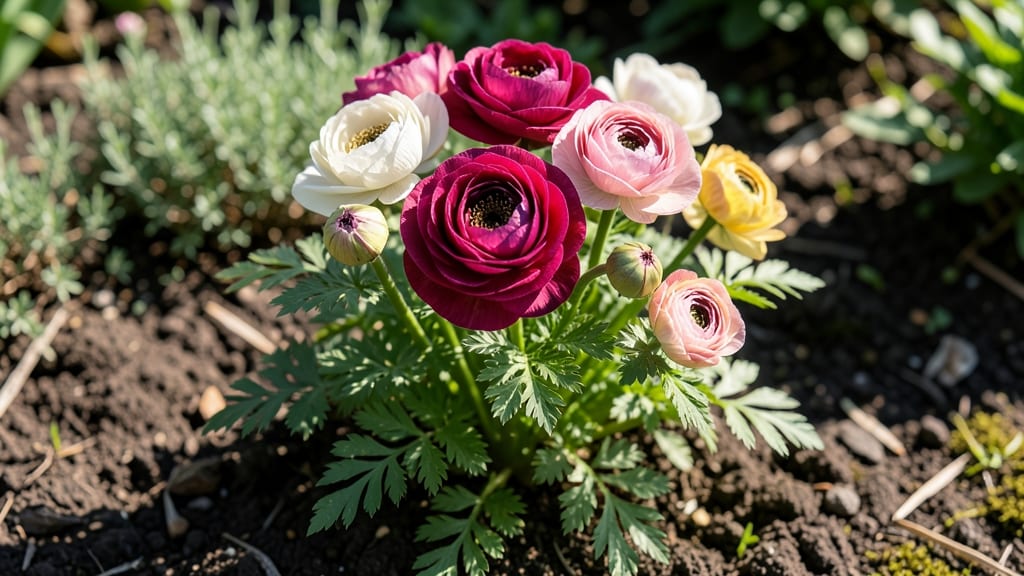
Deciding whether ranunculus are annual or perennial depends on your climate—while they're botanically perennial, their delicate tubers rarely survive freezing winters, forcing most gardeners to treat them as annuals for reliable blooms each season.
Ranunculus thrive as perennials in frost-free zones like USDA 9-11, where their tubers naturally overwinter. 🌱 However, in colder regions, the tubers often rot during winter's freeze-thaw cycles, which is why gardeners replant them yearly.
The key difference lies in tuber hardiness—thicker, well-established tubers have a better chance of surviving mild winters, but most commercial varieties prioritize bloom quantity over cold tolerance.
For gardeners in transitional climates, there's hope: with proper mulching and container growing, you can sometimes coax tubers through winter. The trick is protecting them from moisture and extreme cold—think of it like giving your ranunculus a cozy blanket during dormancy.
Even then, consistent perennial performance is rare for most varieties outside their native Mediterranean habitat.
💡 In This Article
- Why Ranunculus Act Like Annuals in Most Gardens
- How to Extend Ranunculus Blooms Like a Perennial
Why ranunculus act like annuals in most gardens
The confusion around ranunculus being annuals stems from their tuber-based growth system, which is exquisitely sensitive to cold. Unlike hardy perennials like peonies (which survive -20°F winters), ranunculus tubers begin to deteriorate at just 32°F.
This is because their native Mediterranean climate evolved without winter freezes—when exposed to prolonged cold, their cell membranes rupture, causing irreversible damage. 🌡️ Think of it like a frozen water balloon: the internal pressure from ice crystals destroys the delicate tissue structure.
Even in mild winters, the real villain is moisture. Ranunculus tubers require dormancy—a state where they shut down metabolic activity—yet many gardeners plant them in fall without realizing they need completely dry soil during dormancy.
When tubers stay moist through winter, they develop fungal infections or rot, which is why most commercial varieties (bred for showy blooms) lack natural cold resistance. For comparison, snowdrop bulbs (true perennials) can handle 10°F winters because their bulbs store starches that protect against freezing.
The climate zone divide explains why ranunculus behave differently in various regions. In USDA zones 9-11 (where winters rarely drop below 20°F), tubers often survive naturally, allowing gardeners to enjoy perennial growth. But in zones 5-8, even a single hard freeze (25°F) can kill tubers, forcing replanting.
This is why nurseries market them as annuals—they prioritize bloom consistency over cold hardiness in most growing areas. 🌍
Another factor is tuber maturity. Young, first-year tubers (produced from seeds) are particularly vulnerable because they haven't built up enough starch reserves to withstand stress.
Mature tubers, however, can develop a thicker, more protective skin—similar to how garlic cloves become harder as they age—which gives them a slight edge in survival. But even these won't last through harsh winters without intervention.
Botanically, ranunculus belong to the buttercup family (Ranunculaceae), which includes other perennials like delphiniums. However, their shallow root systems (tubers form just 2-3 inches below soil) make them more susceptible to temperature fluctuations.
In contrast, peonies develop deep, woody roots that insulate against cold. This shallow growth habit is why ranunculus tubers are often lost to heaving (frost expansion) or erosion during winter.
For gardeners in marginal climates (like zone 7b), the 30-day rule applies: if your last frost date is before March 15th, you'll likely need to replant annually. The exception? Varieties like 'Stargazer' or 'Buttercup' sometimes survive with heavy mulch (6+ inches of straw), but this isn't reliable.
The trade-off is clear: prioritize bloom quantity (annual treatment) or invest in overwintering techniques for potential perennial success.