
Flowers
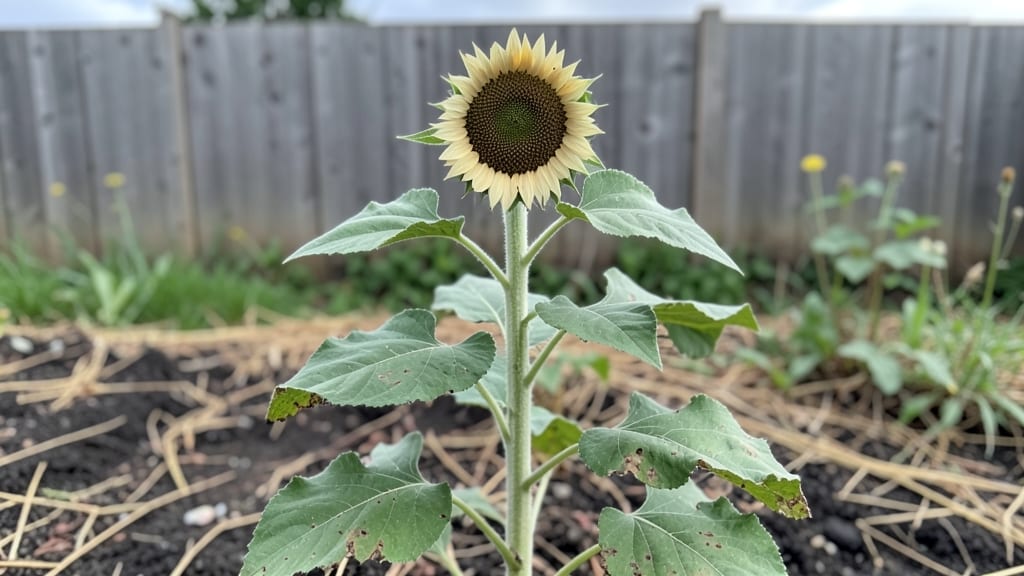
Seeing pictures of perennial sunflowers 🌻 will change how you think about sunflowers forever — these aren’t just annuals that fade with summer.
Imagine sunflowers that return year after year—no replanting, no fuss—just stunning blooms that brighten your garden season after season. Perennial sunflowers are the hidden gems of the flower world, offering unique heights, vibrant colors, and rare varieties most gardeners overlook.
From towering 12-foot giants to delicate 3-foot dwarfs, these sunflowers add drama and texture to any garden. Whether you’re designing a bold border or filling a container, their versatility makes them a game-changer for gardeners who want low-maintenance beauty.
Below, I’ll show you the best varieties to try, how to pair them with other plants, and the simple care tips to keep them thriving in your USDA Zone 6a garden.
Perennial sunflower varieties by height and color: stunning Visual Guide
Perennial sunflowers bring year-round beauty with their bold heights and vibrant hues, unlike their annual cousins. These varieties thrive in USDA Zone 6a and beyond, offering low-maintenance charm while adding vertical interest to your garden.
Whether you crave towering giants or compact dwarfs, there’s a perennial sunflower to fit every space.
From the golden classic Helianthus annuus to the rusty-red Helianthus atrorubens, these sunflowers deliver season-long interest. Their textured foliage and unique seed heads make them perfect for cut flower arrangements or wildlife-friendly gardens.
Below, I’ve organized them by height and color to help you visualize their impact in your landscape.
🌻 Pro Tip: Pair tall varieties with low-growing perennials like coneflowers or black-eyed Susans to create a stunning layered effect.
📌 Visual Guide: Use this table to compare heights, colors, and ideal growing conditions at a glance.
For small spaces, the dwarf varieties like Helianthus debilis shine in containers or rock gardens. Their compact size (2–4 ft) makes them ideal for patio plantings or window boxes.
The buttery-yellow blooms of Lemon Butter add a soft contrast to bold purple coneflowers or deep-red bee balm.
If you love dramatic height, Helianthus maximiliani* reaches 12 feet—perfect for privacy screens or backyard focal points. Plant it near a south-facing fence to maximize its sun-loving nature. The golden
How to grow and care for perennial sunflowers: tips for longevity
Perennial sunflowers are my secret weapon for low-maintenance beauty in the garden. Unlike their annual cousins, these sun-loving plants return every year with bold colors and towering heights, creating a showstopping display with minimal effort.
The key to their longevity starts with well-draining soil and full-sun exposure, but there are a few more tricks to keep them thriving for seasons to come.
Before planting, I always test the soil pH—perennial sunflowers prefer a slightly acidic to neutral range (6.0-7.0). Amending the soil with compost improves drainage and provides essential nutrients, which helps these sunflowers establish strong roots.
Once planted, they’re surprisingly resilient, but a few common mistakes can derail their growth if you’re not careful.
⚠️
Many images online show annual sunflowers (like Helianthus annuus), not the perennial varieties you’re growing. Perennial sunflowers often have narrower leaves, smaller blooms, and woody stems—key traits to spot in photos. For example, Helianthus maximiliani has rust-colored petals, while Helianthus atrorubens features dark red centers. Always verify the variety before using images as a reference!
🌻
Perennial sunflowers need 6+ hours of direct sunlight daily—no exceptions. I’ve seen them struggle in partial shade, producing fewer blooms and weaker stems. If your garden lacks full sun, consider container growing near a south-facing window or a sunny patio.
Once established, they’re drought-tolerant, but young plants need consistent moisture to prevent wilting.
Watering is where many gardeners go wrong. I recommend deep watering every 3-5 days during the growing season, focusing on the soil base rather than overhead sprinkling. Overwatering leads to root rot, while underwatering causes buds to drop.
Mulching around the base helps retain moisture and regulates soil temperature, which is especially helpful in USDA Zone 6a climates.
Pruning isn’t just for shaping—it’s essential for encouraging reblooming. After the first flush of flowers fades, I deadhead spent blooms by cutting back to the nearest leaf node. This redirects the plant’s energy into producing new stems and flowers.
In late fall, I trim back 30-50% of the foliage to prepare for winter dormancy, which prevents disease buildup and promotes healthier regrowth in spring.
Fertilizing should be light and strategic. I use a balanced 5-10-10 fertilizer in early spring to kickstart growth, then switch to a low-nitrogen formula during bloom time to support flower production.
Over-fertilizing leads to lush foliage but fewer blooms—a common mistake I see in beginner gardens. Always water after fertilizing to prevent root burn.
With these care tips, your perennial sunflowers will reward you with year-after-year blooms, adding height and color to your garden with almost no effort. The key is patience—these plants take a year or two to reach their full potential, but once established, they’re virtually maintenance-free. Happy growing!