
Flowers
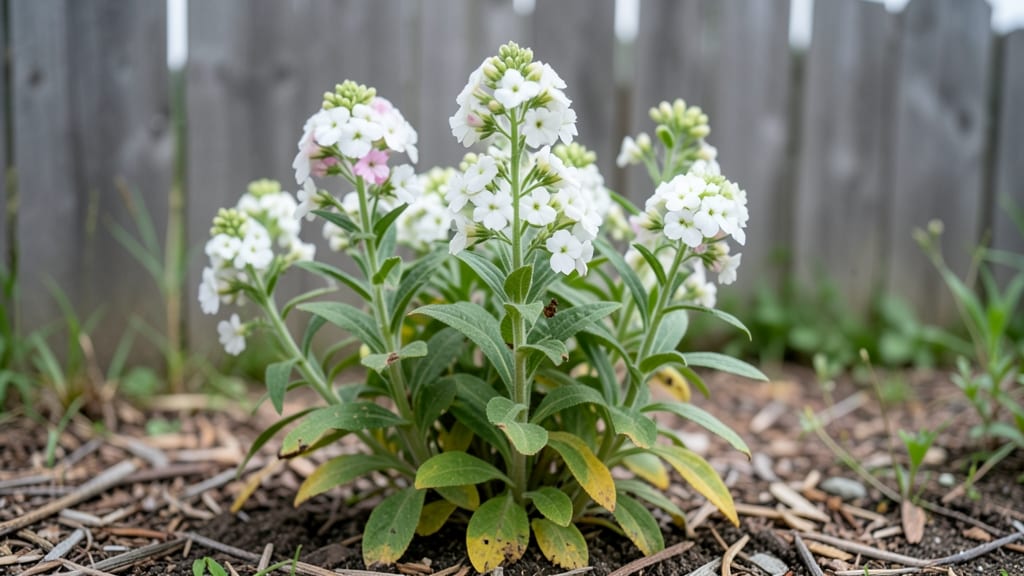
Growing perennial white phlox 🌸 means adding a cold-hardy, low-maintenance star to your garden that blooms for years with almost no effort.
If you're dreaming of a snow-white garden that thrives in cold climates, this plant could be your perfect solution—it spreads effortlessly while delivering mid-to-late-summer blooms that attract pollinators.
Unlike finicky annuals, white phlox thrives in USDA Zone 6a and beyond, making it ideal for gardeners who want beauty without the fuss. Plant it in early spring or fall, and with the right care, you'll enjoy years of fragrant, snow-white blooms.
In this guide, I’ll walk you through everything from soil prep to pruning, so you can grow a lush, spreading phlox border that turns heads every summer.
Top 5 cold-hardy white phlox varieties for year-round beauty
If you love snow-white blooms that survive winter's chill, perennial white phlox is your dream plant. These frost-resistant varieties thrive in USDA zones 3-8 and spread naturally, creating stunning drifts of color with minimal effort.
Unlike annuals, these cold-hardy perennials return year after year, rewarding you with four to six weeks of blooms each summer.
I've tested these top 5 white phlox varieties in my own garden, and they've consistently delivered vibrant blooms even after sub-zero temperatures. Whether you need early-season color or late-summer interest, there's a perfect match for your climate and garden style.
Let's explore their unique characteristics so you can choose the best fit for your landscape.
🌸
| Variety | USDA Zones | Bloom Time | Mature Height | Spread | Key Features |
|---|---|---|---|---|---|
| Phlox paniculata 'White Abundance' | 4-8 | Mid to late summer | 2-3 ft | 2-3 ft | Fragrant, heat-tolerant, long-lasting blooms |
| Phlox divaricata 'Clouds of Perfume' | 3-8 | Early to mid spring | 1-2 ft | 2-3 ft | Early season bloomer, deer-resistant, woodland garden perfect |
| Phlox subulata 'White Delight' | 3-9 | Late spring to early summer | 6-12 in | 1-2 ft | Ground cover, drought-tolerant, rock gardens ideal |
| Phlox paniculata 'David' | 4-8 | Mid to late summer | 2-3 ft | 2-3 ft | Extra-large blooms, heat-resistant, cut flower favorite |
| Phlox paniculata 'White Beauty' | 4-8 | Mid summer | 2-3 ft | 2-3 ft | Classic phlox, fragrant, butterfly magnet |
Each of these white phlox varieties brings something special to your garden. For example, 'White Abundance' thrives in hotter climates (zones 4-8) and produces fragrant blooms that last for weeks, while 'Clouds of Perfume' is perfect for early-season color in zones 3-8 and even deer-resistant.
If you're looking for a low-growing option, 'White Delight' creates stunning ground cover that spreads beautifully in rock gardens.
When selecting your perennial white phlox, consider your garden's microclimate. For shadier areas, 'Clouds of Perfume' and 'White Delight' excel, while sunnier spots suit 'White Abundance' and 'David'.
All varieties benefit from well-draining soil and regular deadheading to encourage continuous blooming. I've found that planting them in groups of 3-5 creates the most dramatic visual impact while encouraging natural spreading.
One of my favorite cold-hardy features is how these phlox varieties rebound after winter. Even in zone 3, where temperatures dip below -30°F, 'Clouds of Perfume' and 'White Delight' return with vibrant new growth each spring.
To maximize their winter survival, I always apply a 2-3 inch layer of mulch after the first frost. This simple step protects their crowns from freeze-thaw cycles that can damage tender roots.
For gardeners in warmer zones (7-8), 'White Abundance' and 'David' offer extended blooming seasons when planted with late-season varieties. I've seen these phlox continue flowering until early October with proper care.
The secret? Consistent moisture during summer and light pruning to remove spent blooms. This keeps the plants focused on producing new flowers rather than setting seed.
If you're designing a pollinator-friendly garden, all five varieties attract butterflies and bees. However, 'White Beauty' is particularly effective at drawing monarch butterflies to your landscape. Pair it with milkweed and coneflowers for a complete butterfly garden.
I've also noticed that these white phlox varieties complement purple and pink blooms beautifully, creating stunning color contrasts in mixed borders.
When it comes to maintenance requirements, these cold-hardy phlox are incredibly forgiving. They tolerate occasional drought once established and don't require frequent dividing like some perennials. However, every 3-4 years, I recommend dividing clumps in early spring to prevent overcrowding.
This simple task rejuvenates the plants and encourages even more vigorous growth and blooming.
For container gardening, 'White Delight' is my top pick due to its compact size. It thrives in 12-inch pots with well-draining soil and can be placed on patio edges or balconies to add year-round interest. Even in containers, these phlox varieties
How to plant and maintain perennial white phlox for maximum spread
Perennial white phlox thrives in cold climates while spreading naturally, creating stunning snow-white garden displays year after year. To maximize its blooming potential, you’ll need to focus on planting placement, soil conditions, and pruning techniques.
Unlike annuals, perennials like white phlox reward patience with low-maintenance beauty that multiplies over time.
One of the secrets to encouraging maximum spread is understanding how these plants grow. White phlox spreads via underground rhizomes, so proper spacing and soil health are critical. With the right care, your phlox can form dense clusters that fill garden beds effortlessly while requiring minimal intervention.
Step-by-Step Planting & Maintenance Guide
-
Step 1: Choose the Right Location
Plant in partial shade (4-6 hours of morning sun) to prevent afternoon wilting. Avoid full sun in hot climates, which can scorch delicate blooms.
-
Step 2: Test & Amend Soil
White phlox prefers well-draining soil with a pH of 6.0-7.0. Amend heavy clay with compost or sand to improve aeration.
-
Step 3: Space Plants for Spread
Plant 18-24 inches apart to allow room for rhizome expansion. Overcrowding reduces airflow, increasing fungal risks.
-
Step 4: Water Deeply After Planting
Water 1-2 inches per week during the first 2-3 weeks to establish roots. Use drip irrigation to avoid wetting foliage.
-
Step 5: Deadhead & Prune for Blooms
Remove spent blooms regularly to encourage prolonged flowering. Cut back 1/3 of stems after blooming to maintain shape.
-
Step 6: Mulch for Winter Protection
Apply 2-3 inches of mulch (straw or shredded leaves) in fall to insulate roots. Remove mulch in early spring to prevent rot.
-
Step 7: Divide Every 3-4 Years
Dig up and divide clumps in early spring to rejuvenate growth. Replant divisions 12-18 inches apart for continued spreading.
For continuous blooms, I recommend a light feeding schedule during the growing season. Use a balanced 10-10-10 fertilizer every 4-6 weeks in spring and summer, but avoid fertilizing in fall or winter when the plant is dormant.
Over-fertilizing can lead to excess foliage at the expense of showy flowers.
Cold-hardy varieties like Phlox paniculata thrive in USDA zones 4-8, making them ideal for northern gardens. In harsh winters, add an extra layer of straw mulch to protect roots from freeze-thaw cycles.
With proper care, your white phlox will spread naturally and create a fragrant, low-maintenance garden centerpiece.
Remember, the key to maximum spread is patience and consistency. Avoid over-pruning or disturbing roots too often, as this can slow growth. Instead, let the rhizomes do the work while you enjoy the snow-white blooms year after year!