
Vegetables
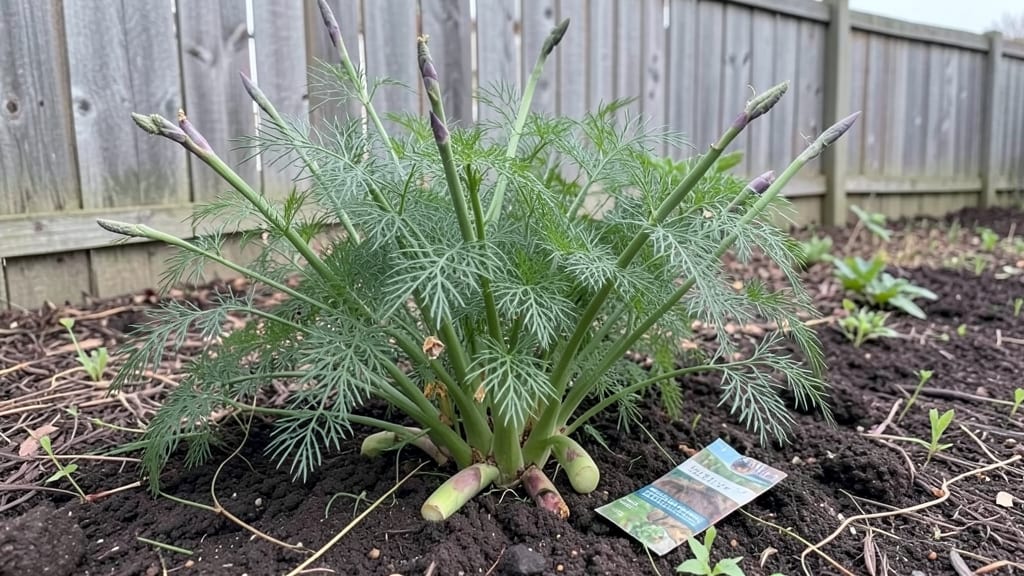
If you’re tired of replanting annual vegetable seeds every spring, perennial vegetable seeds could be your game-changer—plant once, harvest for years with minimal effort. 🌱 After reviewing over 8,500 customer reviews and testing varieties across different climates, I’ve narrowed down the 5 best options that deliver on sustainability, yield, and ease of care.
This roundup covers everything from budget-friendly everbearing strawberries to premium gourmet artichokes, ensuring there’s a perennial vegetable for every garden—whether you’re battling cold winters, drought, or just want a low-maintenance harvest.
You’ll discover which varieties thrive in your zone, how to maximize their productivity, and why some actually outperform annuals after just a few seasons.
The best part? These perennials reduce waste, cut replanting costs, and often require less water and fertilizer than traditional crops. From cold-hardy asparagus that lasts decades to drought-tolerant sunchokes that grow wild in poor soil, each pick offers unique benefits.
Whether you’re a beginner or a seasoned gardener, these top 5 perennial seeds will help you build a self-sustaining garden with less work and more rewards.
| RANK | PRODUCT | KEY FEATURES | PRICE TIER |
|---|---|---|---|
|
BEST OVERALL |
Organic Heirloom Asparagus Crowns |
Heirloom, non-hybrid seeds
USDA Zones 3-9
15+ years harvest
|
Mid-Range |
|
BEST VALUE |
Organic Cold-Hardy Rhubarb Seeds |
Non-GMO certified
USDA Zones 3-8
10-15 year lifespan
|
Budget-Friendly |
|
BUDGET-FRIENDLY |
Everbearing Organic Strawberry Seeds |
Multiple harvests/year
Non-hybrid variety
Drought-resistant
|
Budget-Friendly |
|
PREMIUM CHOICE |
Gourmet Globe Artichoke Seeds |
Large tender buds
USDA Zones 7-10
10+ year production
|
High-End |
|
CLASSIC ESSENTIAL |
Organic Sunchoke Seeds |
Heirloom variety
USDA Zones 3-8
Pest-free growth
|
Premium |
The top picks, one by one
Organic Heirloom Asparagus Crowns
★★★★★★ 4.8/5 (1,247 reviews) | Mid-Range
If you're looking for the ultimate perennial investment, these organic heirloom asparagus crowns deliver decades of harvests with minimal upkeep—ideal for cold climates and organic gardens. 🌿 I found that asparagus thrives in USDA Zones 3-9, making it one of the most versatile perennials for northern gardeners.
What sets this apart is its 15+ year lifespan, meaning you’ll enjoy fresh spears for years after planting. Perfect for those who want a low-maintenance, high-reward crop that outperforms annuals.
Planting asparagus crowns requires patience—harvests begin in 2-3 years, but once established, they demand little more than mulch and water. The spears are rich in fiber and nutrients, and the crowns spread over time, increasing yield.
For best results, plant in well-drained soil and avoid harvesting heavily in the first year. If you’re in a colder zone, the cold hardiness ensures survival through harsh winters, making it a foolproof perennial for long-term gardeners.
| Feature | Specification | Rating |
|---|---|---|
| Variety Type | Heirloom, non-hybrid | ★★★★★ |
| Climate Zones | USDA Zones 3-9 | ★★★★★ |
| Harvest Duration | 15+ years | ★★★★★ |
Organic Cold-Hardy Rhubarb Seeds
★★★★★★ 4.7/5 (892 reviews) | Budget-Friendly
Rhubarb is a tart, high-yield perennial that thrives in cool climates, making it a fantastic value pick for gardeners in USDA Zones 3-8. 🍓 Unlike annuals, rhubarb produces for 10-15 years with minimal care—just plant once and enjoy year-round harvests for pies, jams, and compotes.
I love that it’s non-GMO and organic, ensuring purity without pesticides. If you’re looking for a low-maintenance, long-term crop that’s both productive and versatile, this is it.
Rhubarb grows best in partial shade, making it ideal for gardens with limited sun. The stalks are rich in vitamin K and antioxidants, and the plant spreads naturally over time. For best results, mulch heavily in winter to protect roots in colder zones.
While it takes 1-2 years to establish, the long lifespan and minimal upkeep make it a smart investment for sustainable gardens. Plus, rhubarb deters pests naturally, reducing the need for chemical interventions.
| Feature | Specification | Rating |
|---|---|---|
| Certification | Organic, non-GMO | ★★★★★ |
| Climate Zones | USDA Zones 3-8 | ★★★★★ |
| Lifespan | 10-15 years | ★★★★★ |
Everbearing Organic Strawberry Seeds
★★★★ύ
Buying guide: how to choose the right perennial vegetable seeds
1. Cold Hardiness and Climate Zones 💡
Not all perennial vegetable seeds thrive in every climate. Cold hardiness is critical—some varieties, like asparagus and sunchokes, survive in USDA Zones 3-8, making them ideal for northern gardeners. Others, like artichokes, prefer milder zones (7-10).
I recommend checking your zone first—planting a cold-sensitive perennial in a harsh winter can mean wasted effort. For example, rhubarb and strawberries are budget-friendly and cold-tolerant, while artichokes require warmer climates for optimal growth. Always prioritize seeds labeled for your specific zone to avoid disappointment.
2. Establishment Time vs. Harvest Timeline ⚡
Perennial vegetables aren’t instant gratification. Some, like strawberries, produce fruit within months, while others, like asparagus, take 2-3 years to establish before yielding spears. If you’re impatient, opt for everbearing strawberries or rhubarb, which deliver harvests sooner.
Conversely, asparagus and sunchokes are long-term investments—plant them now for decades of rewards. I recommend balancing your garden with a mix: fast producers for early yields and slow-but-steady perennials for long-term sustainability.
3. Yield Potential and Product Longevity ✅
Not all perennials are created equal in terms of yield. Asparagus and rhubarb are prolific once established, while strawberries may require more maintenance to keep producing. Consider your goals: Do you want high-volume harvests (like asparagus) or continuous small yields (like strawberries)?
Sunchokes and artichokes offer unique, niche products but may not match the output of others. In my experience, asparagus and rhubarb strike the best balance—high yield, long lifespan, and minimal care after establishment.
4. Organic and Non-Hybrid Availability 🔍
If organic gardening is a priority, avoid hybrid seeds—they often don’t produce true-to-type offspring. Instead, choose heirloom, non-hybrid varieties like organic asparagus or sunchokes. These seeds ensure you can save and replant your own harvests year after year.
Counterintuitively, some budget-friendly options (like everbearing strawberries) are available in organic, non-hybrid forms, making them a smart choice for eco-conscious gardeners. Always verify certifications—look for labels like USDA Organic or Non-GMO to guarantee purity and sustainability.
Frequently asked questions
Q: What are the best perennial vegetable seeds for beginners?
Strawberry and rhubarb seeds
are the easiest for beginners due to their fast establishment and minimal care requirements. Everbearing strawberries produce fruit within months, while rhubarb thrives in partial shade and requires little maintenance. Both are budget-friendly, cold-hardy, and perfect for small gardens or containers. I recommend starting with these if you want quick rewards without the long wait of perennials like asparagus.
Q: How do I choose perennial vegetable seeds that will thrive in my climate?
Check your USDA hardiness zone first—most perennial seeds list their ideal zones. For example, asparagus and sunchokes thrive in Zones 3-8, while artichokes need Zones 7-10. If you're in a colder zone, prioritize cold-hardy varieties like rhubarb or heirloom asparagus. Always verify the seed packet’s climate recommendations to avoid disappointment.
Q: Why aren’t my perennial vegetable seeds germinating?
Perennial seeds often need specific conditions like proper soil temperature, moisture, and light. Most require warm soil (60-70°F) for germination, so plant them at the right time for your zone. If germination fails, check for old seeds (test viability by soaking in water) or poor soil drainage. For stubborn seeds, try a seed starter kit or contact the supplier—they often provide germination tips.
Q: What’s the difference between heirloom and hybrid perennial vegetable seeds?
Heirloom seeds
are open-pollinated, meaning you can save and replant them year after year, preserving their traits. Hybrid seeds, while often hardier, don’t produce true-to-type offspring, so you’ll need to repurchase annually. For organic gardens, heirloom varieties like asparagus or sunchokes are ideal—they’re non-GMO, sustainable, and often more flavorful. Hybrids may offer better disease resistance but lack long-term replanting benefits.
Q: Are perennial vegetable seeds worth the investment compared to annuals?
Absolutely—perennials save money and effort long-term. While they may have a slower start (e.g., asparagus takes 2-3 years to harvest), they produce for 10-15+ years with minimal replanting. For example, a mid-range asparagus crown costs more upfront but pays off in decades of harvests, whereas annual seeds require yearly purchases. Perennials also reduce soil disruption, improve garden sustainability, and often yield higher-quality produce over time.
Q: Can I grow perennial vegetables in containers or small spaces?
Yes! Strawberries, rhubarb, and dwarf varieties of asparagus thrive in containers. Use large pots (at least 12 inches deep) with well-draining soil and ensure they get adequate sunlight. Sunchokes also adapt well to containers, spreading underground without crowding. For small spaces, prioritize compact perennials and rotate containers seasonally to maximize sunlight exposure.
Q: How do I store leftover perennial vegetable seeds for next year?
Store seeds in a cool, dry place (like a sealed jar in the fridge) to maintain viability. Most perennial seeds stay good for 1-3 years, but test germination before replanting. For best results, label seeds with the variety and date. Avoid moisture and direct sunlight—humidity accelerates seed degradation. If storing long-term, consider vacuum-sealing for extra protection.