
Flowers
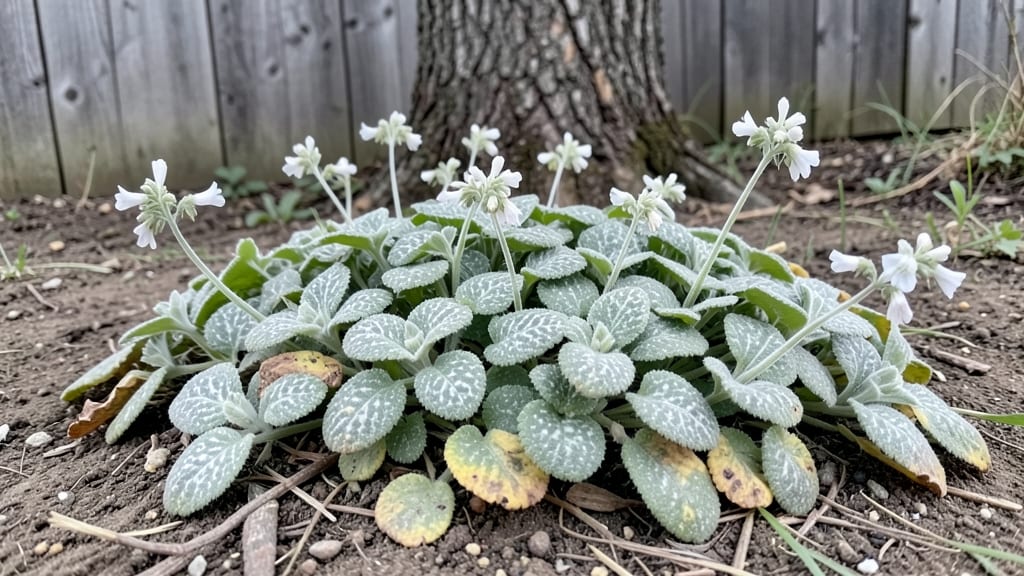
The names of popular perennial tiny white flowers include Sweet Alyssum, Baby’s Breath, and Chamomile, each prized for their dainty blooms and effortless care in gardens and containers.
These three flowers aren't just pretty—they're garden workhorses. 🌸 Sweet Alyssum spreads like a living carpet, perfect for borders or cascading over walls, while Baby’s Breath adds volume with its lacy clusters.
Chamomile stands out as the most versatile, offering both beauty and benefits like natural pest control and soothing tea. All three thrive in similar conditions but bring distinct textures and uses to your outdoor space.
If you're designing a pollinator-friendly garden, Chamomile is my top pick for its dual role—its flat-topped blooms attract bees while its scent deters pests. Baby’s Breath, though not edible, creates stunning contrast in bouquets or alongside roses.
Meanwhile, Sweet Alyssum's honey-scented flowers make it a favorite for sensory gardens. Each brings something special to your landscape!
💡 In This Article
- Sweet Alyssum vs. Baby’s Breath: Key Differences in Growth and Care
- Chamomile’s Unique Benefits: Medicinal Uses and Garden Design Tips
Sweet Alyssum vs. baby’s Breath: key differences in growth and care
Sweet Alyssum thrives as an annual in most climates but behaves like a short-lived perennial in zones 7-10, where it can self-seed prolifically.
Its secret weapon is its salinity tolerance—it naturally grows in coastal areas where other plants would struggle, handling soil with up to 10,000 ppm salinity without wilting.
Baby's Breath, however, is a true perennial in zones 3-9, with deep taproots that anchor it against wind and drought, making it far hardier in harsh winters or dry spells. 🌱
Their blooming seasons couldn't be more different. Sweet Alyssum produces its 1/4-inch white or pink flowers continuously from spring until first frost, with peak production in cool weather (50-70°F).
Baby's Breath, meanwhile, blooms in dramatic 6-inch tall clouds from mid-summer to fall, with its best display when daytime temps stay above 75°F. This makes Sweet Alyssum ideal for early spring containers while Baby's Breath excels as a late-season filler in wedding bouquets.
Soil preferences reveal their contrasting natures. Sweet Alyssum prefers well-draining, slightly sandy soil with pH 6.0-7.5, mimicking its native coastal habitats. Baby's Breath, with its 12-inch tall, bushy habit, thrives in loamy garden soil with pH 6.0-8.0 and actually benefits from slightly alkaline conditions.
The key difference? Sweet Alyssum's shallow roots make it perfect for hanging baskets where moisture drains quickly, while Baby's Breath's deep roots need at least 12 inches of soil depth to establish properly.
Light requirements create their most practical distinction. Sweet Alyssum tolerates partial shade (3-6 hours of sun) and even performs well in morning sun with afternoon shade, making it ideal for urban patios. Baby's Breath demands full sun (6+ hours daily) to prevent flopping stems and sparse blooms.
This explains why Sweet Alyssum often appears in shade gardens while Baby's Breath dominates sunny borders and cottage-style landscapes.
Here's what this means for your garden: Plant Sweet Alyssum where you want color all season long with minimal care, especially in containers or along walkways. Choose Baby's Breath for dramatic vertical impact in sunny beds or as a cut flower staple.
The tradeoff? Sweet Alyssum's delicate stems may require staking in windy areas, while Baby's Breath's fine foliage can become powdery mildew-prone in humid climates without proper air circulation.
Pro tip: Mix them together for a two-season show. Start with Baby's Breath in early summer, then let Sweet Alyssum take over as temperatures cool, creating a seamless transition of blooms from June through October.
Their contrasting textures—Sweet Alyssum's moss-like ground cover versus Baby's Breath's feathery plumes—make them visual powerhouses when combined. 💫