
Flowers
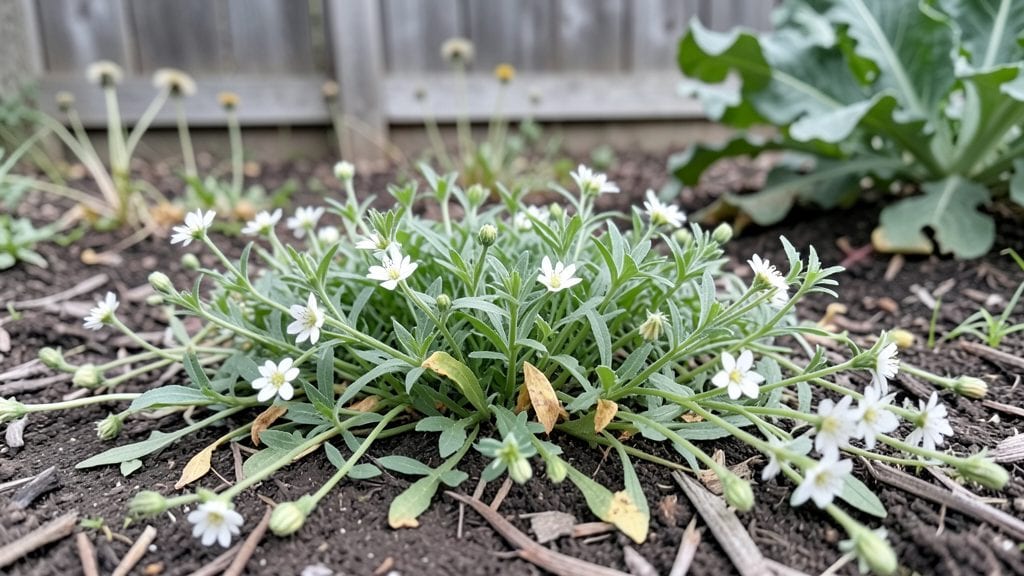
Growing perennial sweet woodruff 🌿 transforms shady garden spots into fragrant, low-maintenance havens with minimal effort.
Imagine stepping into your garden and being greeted by a wave of vanilla-scented fragrance—nature’s way of creating a serene, low-maintenance carpet underfoot. This shade-loving ground cover thrives where most plants struggle, making it the perfect solution for dappled light areas.
Native to woodland floors, sweet woodruff spreads gently yet reliably, forming lush mats that suppress weeds and attract pollinators. Its delicate white flowers in spring add a touch of elegance, while its aromatic leaves release a sweet hay-like scent when brushed—ideal for sensory gardens or underfoot paths.
In this guide, I’ll walk you through everything from planting in USDA Zone 6a to maintaining its signature fragrance year after year, plus creative ways to weave it into your landscape design.
Why perennial sweet woodruff is perfect for shady gardens
If you’ve ever struggled to find a low-maintenance ground cover that thrives in shady garden spots, perennial sweet woodruff (Galium odoratum) might be your new best friend. This hardy perennial isn’t just a pretty face—it’s a fragrant, evergreen solution that outperforms many other shade-loving plants.
Unlike fussy annuals or slow-growing perennials, sweet woodruff spreads quickly yet stays contained, making it ideal for woodland gardens or under trees.
Native to Europe and Asia, sweet woodruff has naturalized beautifully in USDA Zones 3-8, proving its resilience in cool climates and humid conditions. Its ability to thrive in partial shade (4-6 hours of sunlight) sets it apart from sun-hungry ground covers like creeping thyme or sedum.
Plus, its delicate white flowers in spring add a touch of elegance without demanding constant attention.
One of sweet woodruff’s standout features is its fragrant foliage. When you brush against its leaves, they release a vanilla-like aroma that’s perfect for sensory gardens or pathways where you want to add a touch of natural perfume.
This scent isn’t just pleasant—it’s also a natural pest deterrent, keeping slugs and snails at bay without chemicals. Unlike some ground covers that rely on synthetic fertilizers or pesticides, sweet woodruff thrives with minimal intervention.
The plant’s shade tolerance makes it a standout performer in gardens where sunlight is limited. While it can handle dappled shade, it also tolerates full shade better than many competitors, like ajuga or lamium, which often struggle in deep shade.
Its ability to spread gently yet reliably means it fills in bare spots faster than slower-growing perennials, creating a dense, weed-suppressing mat within a season or two.
Scientifically, sweet woodruff’s success in shady conditions stems from its efficient photosynthesis in low light. Unlike sun-loving plants that require intense light for energy, sweet woodruff adapts to low-light environments by growing slowly and conserving resources.
This makes it ideal for woodland gardens or areas under large trees where other plants might struggle to establish.
Beyond its practical benefits, sweet woodruff adds visual interest to gardens. In spring, it produces clusters of tiny white flowers that contrast beautifully with its dark green leaves. These flowers attract beneficial insects like bees and hoverflies, supporting your garden’s ecosystem health.
Even after flowering, the plant maintains its evergreen foliage, providing year-round coverage and texture.
Compared to other shade-loving ground covers, sweet woodruff wins for its dual-purpose appeal. While plants like heuchera or hostas offer striking foliage, they often require more maintenance. Sweet woodruff, on the other hand, delivers fragrance, beauty, and functionality with almost no effort.
It’s also more drought-tolerant once established than many alternatives, making it a resilient choice for gardens in USDA Zone 6a and beyond.
If you’re looking to create a low-maintenance, fragrant garden in shady spots, sweet woodruff is a game-changer. Its ability to thrive in partial to full shade, suppress weeds, and attract pollinators—all while releasing a delightful scent—makes it a top contender for any shade garden.
Plus, its perennial nature means you won’t have to replant it year after year, saving you time and money in the long run.
Ready to transform your shady garden into a fragrant oasis? Start by planting sweet woodruff in moist, well-drained soil and watch it spread into a lush, aromatic carpet that’s as beautiful as it is practical. 🌿
Planting and care tips for lush sweet woodruff growth
Sweet woodruff thrives with minimal intervention once you nail the basics: moisture-rich soil, partial shade, and proper spacing. Unlike high-maintenance ground covers, it rewards patience with its fragrant foliage and self-spreading habit.
I’ve planted it under mature trees where nothing else grows—it’s become my secret weapon for transforming dull corners into aromatic retreats.
Start by selecting a site with 4-6 hours of dappled sunlight daily. The key is avoiding soggy soil; sweet woodruff despises waterlogged conditions. Amend heavy clay with compost or leaf mold to improve drainage while retaining moisture.
A 2-inch layer of mulch will help maintain consistent soil temps and reduce evaporation.
⚠️ Avoid These Planting Pitfalls
Sweet woodruff spreads aggressively in ideal conditions. Plant too close to borders or other plants, and you’ll end up with an unruly mat. Space divisions 12-18 inches apart for controlled growth. Overwatering is another common mistake—this plant prefers moisture but will rot in standing water.
When planting, dig holes twice as wide as the root ball but only as deep. Gently loosen the roots if they’re circling and place the plant so the top of the root ball sits just below soil level.
Backfill with native soil mixed with compost for a nutrient boost. Water thoroughly after planting to settle the soil and eliminate air pockets.
Watering is straightforward once established: deep soaks weekly during active growth (spring and fall) and bi-weekly in summer unless you’re in a drought. I water mine in the morning to prevent fungal issues—wet foliage at night invites problems.
In winter, reduce watering to monthly checks unless we have prolonged dry spells.
Fertilizing is optional but helpful for vigorous growth. Use a balanced 5-10-10 fertilizer in early spring when new shoots appear. Apply just 1 tablespoon per plant and water it in immediately. Avoid fertilizing after midsummer—this plant goes semi-dormant and won’t benefit from late-season feeding.
To control its spread naturally, I use a sharp knife to trim edges every 2-3 years. This prevents it from encroaching on other plants while keeping the center dense.
For fragrant foliage, avoid harvesting after flowering—this reduces next year’s scent production. The best time to harvest is late spring when leaves are fully developed but before flowers appear.