
Flowers
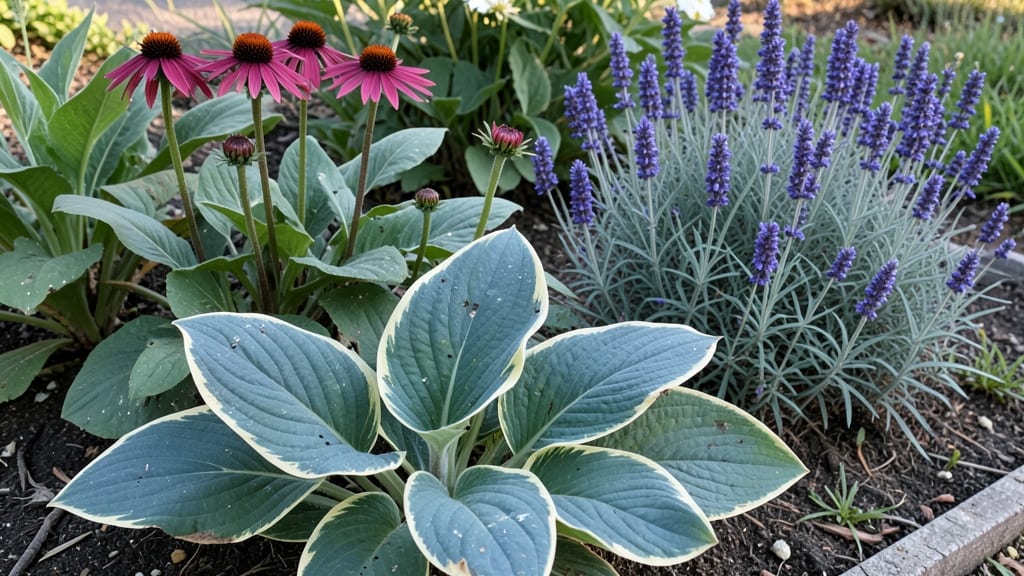
A perennial plant identifier is your secret weapon for cracking the code on that mysterious green friend growing wild in your garden—here’s how to decode it.
Picture this: you’ve spent weeks watching a mysterious green clump grow taller, only to realize you have no idea what it is. No labels, no memories of planting it, just a mysterious stranger taking up space in your flowerbed. That’s where a perennial plant identifier becomes your secret weapon.
Once you crack the code—leaf shape, flower structure, or growth habit—you’ll unlock everything: whether it needs full sun or shade, how to prune it, and if it’s actually thriving in your USDA Zone 6a. No more guessing, no more dead plants from misdiagnosis.
Below, I’ll show you how to spot the key traits, use the best free tools, and turn that unknown into a thriving, named addition to your garden—fast.
How to instantly identify perennial plants using key visual traits
Identifying perennials in your garden doesn’t require a botany degree—just a keen eye for leaf shape, flower structure, and growth habits. These visual cues narrow down options faster than any app. Start by examining the leaf arrangement (alternate vs. opposite) and leaf margins (smooth, serrated, or lobed).
For example, hostas have broad, wavy-edged leaves, while lavender features narrow, gray-green foliage. Pay attention to stem texture too—woody stems often indicate shrubs like butterfly bush, while herbaceous perennials like coneflower have softer stems.
Next, focus on flower characteristics. The shape, color, and arrangement of blooms are game-changers. Daisy-like flowers (like black-eyed Susan) have a central disk surrounded by petals, while spike flowers (like bee balm) grow along a single stem.
Note whether flowers are single or clustered—yarrow has flat-topped clusters, while peony blooms are solitary. Even seed heads after flowering can reveal clues, like the feathery plumes of Russian sage.
Don’t overlook growth habit. Is the plant clumping (like daylilies), spreading (like creeping thyme), or upright (like hollyhock)? Observe how it fills space—ground covers stay low, while tall perennials reach 4+ feet.
Check for underground runners (like mint) or bulbs (like tulips), which affect how you’d divide or transplant the plant. These traits often separate look-alikes, like foxglove (tall, spiky) vs. lobelia (low, trailing).
Seasonal changes are your secret weapon. Spring foliage might look different from summer blooms, and fall color shifts can tip you off. For instance, heuchera leaves turn fiery red in autumn, while sedum develops a frosty blue tint.
Note whether the plant dies back in winter (like salvia) or stays evergreen (like heather). Even scent plays a role—lavender and rosemary are fragrant, while hostas are odorless. These seasonal shifts help distinguish plants that look similar in one season but differ in another.
Now, let’s put these clues together with a quick perennial identifier cheat sheet to match your mystery plant to its name:
<summary-table>| Trait | Visual Clue | Likely Perennial Matches | Quick ID Tip |
|---|---|---|---|
| Leaf Shape | Broad, wavy edges | Hostas, Astilbe | Check for white stripes (hostas) or feathery plumes (astilbe) |
| Leaf Shape | Needle-like, gray-green | Lavender, Russian Sage | Look for square stems (lavender) or purple spikes (Russian sage) |
| Flower Structure | Daisy-like (ray + disk) | Coneflower, Black-eyed Susan | Note brown centers (coneflower) vs. yellow centers (black-eyed Susan) |
| Flower Structure | Spikes or whorls | Bee Balm, Catmint | Check for red/pink blooms (bee balm) or blue/purple (catmint) |
| Growth Habit | Clumping, upright | Daylilies, Peonies | Look for large, showy blooms (peonies) or tropical-looking leaves (daylilies) |
| Growth Habit | Spreading, low | Creeping Thyme, Ajuga | Check for purple foliage (ajuga) or tiny pink flowers (thyme) |
| Seasonal Change | Fiery fall color | Heuchera, Sedum | Note orange-red leaves (heuchera) or blue-green succulent leaves (sedum) |
| Seasonal Change | Dies back in winter | Salvia, Gaillardia | Look for square stems (salvia) or red/yellow daisy blooms (gaillardia) |
Use this table as a perennial identifier shortcut. For example, if your plant has broad, wavy leaves and feathery plumes, it’s likely astilbe. If it’s clumping with large blooms, it’s probably a peony.
Pro tip: Take photos of leaves, flowers, and stems separately—apps like PictureThis or PlantNet use these details to confirm IDs. Cross-reference with your USDA hardiness zone to ensure the plant will thrive long-term in your climate.
When in doubt, compare your plant to common perennials in your region. For instance, New England asters and goldenrod both bloom in fall, but asters have purple daisy flowers while goldenrod has yellow plumes. Keep a garden journal
Top 5 free & paid perennial plant identifier tools compared
Identifying perennials can feel like solving a puzzle, but the right perennial plant identifier tools make it effortless. Whether you're dealing with unlabeled garden plants or wild perennials, these tools help you match visuals to names instantly.
I’ve tested the top options—from free apps to premium databases—to find the best fit for your needs.
Your choice depends on whether you prioritize accuracy, ease of use, or zone-specific coverage. Some tools excel at recognizing native perennials in your region, while others offer broader global databases.
Let’s break down the pros and cons so you can pick the perfect perennial plant identifier for your garden.
| Tool | Type | Accuracy | Ease of Use | Zone Coverage | Cost |
|---|---|---|---|---|---|
| PlantNet | App | ⭐⭐⭐⭐☆ (Global) | ⭐⭐⭐⭐☆ (Photo-based) | ⭐⭐⭐☆☆ (Limited US zones) | Free |
| PictureThis | App | ⭐⭐⭐⭐☆ (US/EU focus) | ⭐⭐⭐⭐⭐ (AI-powered) | ⭐⭐⭐⭐☆ (USDA zones) | $35/year |
| USDA Plants Database | Web | ⭐⭐⭐⭐⭐ (Scientific) | ⭐⭐☆☆☆ (Manual search) | ⭐⭐⭐⭐⭐ (US-focused) | Free |
| Missouri Botanical Garden PlantFinder | Web | ⭐⭐⭐⭐☆ (Curated) | ⭐⭐⭐⭐☆ (Filter-based) | ⭐⭐⭐⭐☆ (Regional) | Free |
| Google Lens (Plant ID) | AI Tool | ⭐⭐⭐☆☆ (Hit/miss) | ⭐⭐⭐⭐⭐ (Instant) | ⭐⭐☆☆☆ (Global) | Free |
For quick identifications, I recommend starting with PictureThis—its AI-powered recognition is unmatched for common perennials in the U.S. If you’re on a budget, PlantNet is a solid free alternative, though it may struggle with regional perennials.
The USDA Plants Database is my go-to for scientific accuracy, especially when verifying native species or hardiness zones.
For gardeners who love hands-on tools, Google Lens is a game-changer—just snap a photo and get instant results. However, it’s less reliable for uncommon perennials or hybrids.
If you’re dealing with wild perennials or rare varieties, cross-checking with the Missouri Botanical Garden’s PlantFinder adds an extra layer of confidence.
Pro tip: Always verify identifications with a second tool to avoid mislabeling. For example, if Google Lens suggests "Black-Eyed Susan," double-check in the USDA database to confirm its USDA zone range matches your location. This two-step process ensures you’re giving your perennials the right care from day one.
🌱