
Planting
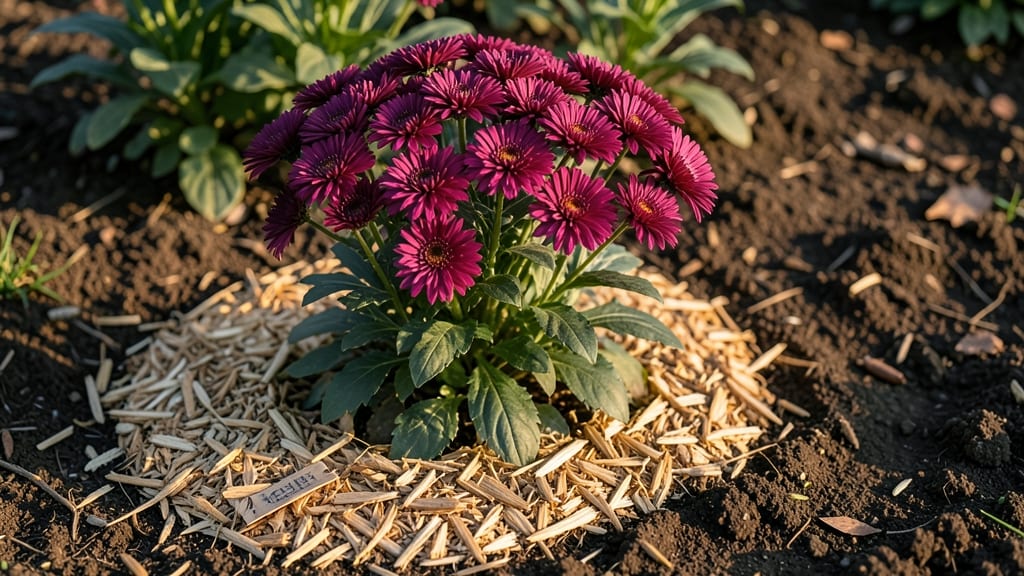
To grow perennial mums successfully in Zone 5, plant them after the last frost in late spring, use winter mulch for protection, and choose cold-resistant varieties like 'Autumn Joy' or 'Purple Dome.' These plants will bloom from late summer through fall, delivering vibrant color for 6-8 weeks if you deadhead spent blooms regularly.
Perennial mums in Zone 5 aren't just tough—they're survivors with the right care. 🌿 The key to their winter resilience lies in selecting varieties bred for cold climates, like those with thick foliage and sturdy stems.
Unlike annual mums, these perennials reward patience by returning year after year, but they need proper soil prep (well-draining, slightly acidic) and consistent moisture to establish strong roots before winter sets in.
I've found that adding a 3-inch layer of mulch after the first frost acts like a blanket, protecting roots from temperature swings that can cause heaving.
The blooming timeline is what makes these plants so exciting—they burst into color just as summer winds down, often when other perennials have faded. Deadheading isn't just about looks; it redirects the plant's energy toward next year's buds rather than seed production.
For maximum impact, I recommend dividing clumps every 3-4 years in early spring to prevent overcrowding, which can reduce both bloom quantity and winter hardiness.
💡 In This Article
- How to Choose and Prepare Perennial Mums for Zone 5 Winters
- Zone 5 Perennial Mum Care Calendar: Planting to First Frost
How to choose and prepare perennial mums for Zone 5 winters
Cold hardiness in perennial mums comes down to two key factors: genetic resilience and proper preparation. Varieties like 'Autumn Joy' (USDA Zone 4-9) and 'Purple Dome' (Zone 5-9) have been bred to withstand -20°F to -30°F temperatures, thanks to their compact growth habit and dense foliage.
The science here involves their ability to enter dormancy early—when nighttime temperatures consistently drop below 50°F, the plant shifts resources from growth to root and stem thickening, creating a protective barrier against frost.
The winter prep process starts in late summer with a balanced fertilizer (10-10-10) to encourage root development before the ground freezes. I've found that amending the soil with 2-3 inches of compost improves drainage while retaining moisture—a critical balance for Zone 5's fluctuating temperatures.
The real game-changer is mulching: apply 4-6 inches of straw or shredded leaves after the first hard frost (typically late November in Zone 5) to insulate roots from temperature swings that can cause heaving. This mulch layer maintains a 5°F warmer soil temperature than unprotected ground.
Timing matters more than you might think. Planting in late spring (after the last frost, usually mid-May to early June in Zone 5) gives roots 6-8 weeks to establish before winter. The roots need this time to grow deep enough to access moisture and nutrients below the frost line.
I once planted mums in early spring, and they struggled through their first winter—what I didn't realize was that shallow roots froze and thawed repeatedly, causing the plants to heave out of the ground. That first winter's survival sets the stage for future blooms.
Here's what most gardeners miss: the importance of selecting container-grown plants over bare-root ones in Zone 5. Container-grown mums have established root systems that can handle transplant shock better, giving them a head start on winter survival.
When choosing, look for plants with thick, sturdy stems (at least 1/4-inch diameter) and dark green foliage—these are visual cues of a plant that's built to endure cold. Avoid varieties with thin stems or pale leaves, as these often lack the structural integrity needed for winter resilience.
One advanced technique I've adopted is called "winter watering"—giving plants a deep watering in early fall (before the ground freezes) helps build up moisture reserves in the soil. This stored water becomes crucial during thaw cycles when roots might otherwise dry out.
Combine this with a 2-inch layer of pine needles under the mulch to add acidity (mums prefer pH 5.5-6.5), and you've created the perfect microclimate for winter survival. The pine needles also help prevent soil compaction from snow weight.
For those in Zone 5's colder microclimates (like inland areas with -30°F winters), consider adding a cloche or row cover during extreme cold snaps. These provide an extra 10-15°F of protection without smothering the plants.
The key is to remove these covers during the day when temperatures rise, allowing for proper air circulation that prevents fungal issues. This balance between protection and ventilation is what keeps mums thriving through our harshest winters.