
Flowers
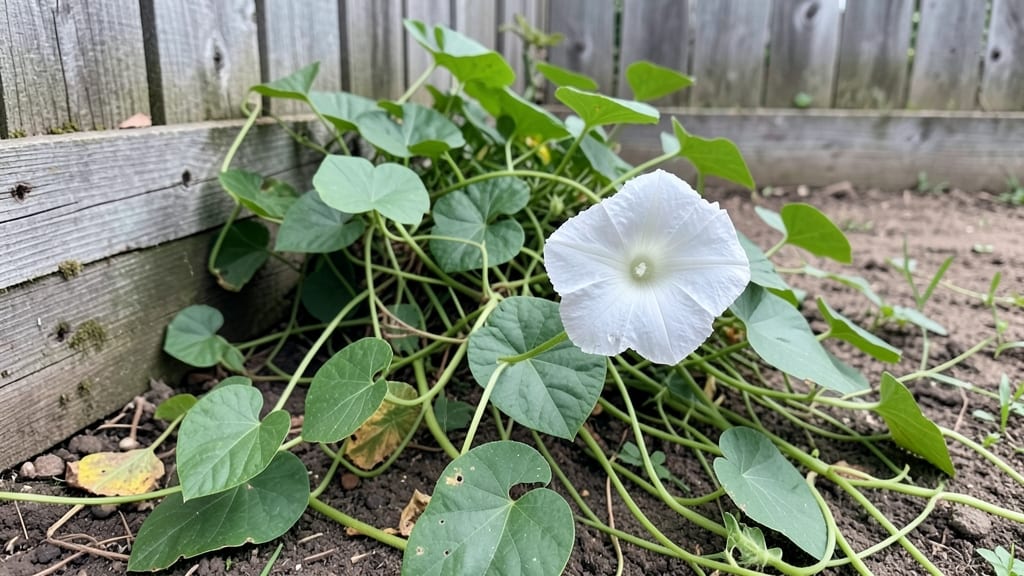
Growing a perennial moonflower plant 🌙 turns your garden into a nighttime wonderland with its silvery blooms and sweet fragrance.
Imagine a garden that transforms at dusk into a magical sanctuary of silvery-white blooms and intoxicating fragrance—this is the allure of the perennial moonflower plant, a night-blooming treasure that thrives in partial shade and rewards patience with breathtaking displays.
Unlike annual varieties, this hardy vine returns year after year, climbing trellises or fences to create a dreamy, fragrant canopy. Perfect for USDA Zone 6a gardens, it’s easy to grow once you know the secrets—like planting in spring after the last frost and giving it room to sprawl.
In this guide, I’ll walk you through everything from soil prep to pruning tips, so you can enjoy those evening blooms for seasons to come.
How to grow perennial moonflower plants for stunning nighttime blooms
The perennial moonflower plant (Ipomoea alba) is a dream for gardeners seeking dramatic nighttime displays. Unlike its annual cousin, this shade-loving vine returns year after year, rewarding you with silvery-white blooms that open at dusk and fill the air with a sweet, jasmine-like fragrance.
Native to tropical regions but perfectly suited for USDA zones 9-11, it thrives in partial shade and climbs effortlessly on trellises, fences, or pergolas. Whether you're a seasoned gardener or just starting, these moonflowers offer a magical touch to any garden—especially in woodland or courtyard settings.
Growing perennial moonflowers successfully hinges on replicating their natural habitat: rich, well-draining soil, consistent moisture, and partial shade protection from harsh afternoon sun. The key to maximizing their blooms lies in understanding their seasonal needs—from spring propagation to winter dormancy care.
Let’s dive into the step-by-step process to ensure your moonflowers thrive and burst into fragrant bloom every evening.
Step-by-Step Guide to Growing Perennial Moonflower Plants
-
Step 1: Choose the Right Location
Select a spot with partial shade (3-6 hours of dappled sunlight) and protection from strong winds. Ideal for trellises, fences, or pergolas where vines can climb to 10-15 feet. -
Step 2: Prepare the Soil
Amend your soil with compost or aged manure to ensure it’s rich, well-draining, and slightly acidic (pH 6.0-7.0). Moonflowers dislike soggy roots, so avoid heavy clay without amendment. -
Step 3: Plant Tubers or Seeds
Tubers (preferred for faster results): Plant 2-3 inches deep in spring after last frost (soil temp ≥60°F). Seeds: Soak overnight, then sow ½ inch deep in warm soil (70-80°F). Germination takes 14-21 days. -
Step 4: Water Consistently
Keep soil evenly moist but not waterlogged. Water deeply 2-3 times per week in morning to prevent fungal issues. Reduce watering in fall/winter as growth slows. -
Step 5: Fertilize for Blooms
Apply a balanced fertilizer (5-10-10) every 4-6 weeks during spring and summer. Avoid fertilizing in fall/winter to encourage dormancy. Use 1 tbsp per plant at each feeding. -
Step 6: Prune and Support
Train vines onto trellises or supports as they grow. Prune dead or overgrown vines in late winter to encourage new growth. Remove spent blooms to prolong flowering. -
Step 7: Overwinter Care
In zones 9-11, mulch heavily with straw or leaves to protect tubers. Reduce watering and avoid fertilizing. In colder zones, dig up tubers and store in cool, dry sand until spring.
One of the most rewarding aspects of growing perennial moonflowers is their ability to self-seed and spread naturally, creating a lush, fragrant tapestry over time. However, this trait can also lead to overgrowth if not managed.
I’ve found that pruning back vines in late winter (just before new growth begins) helps maintain control while encouraging stronger, healthier blooms. Additionally, mulching around the base with organic matter keeps roots cool and retains moisture, which is especially critical during hot summer months.
If you’re starting with seeds instead of tubers, be patient—germination can be slow, and young plants may struggle in competitive landscapes. To give them a head start, I recommend sowing seeds indoors 8-10 weeks before last frost and transplanting seedlings outdoors once temperatures stabilize.
This method ensures your moonflowers have a strong root system before facing outdoor challenges like pests or fluctuating temperatures.
Common mistakes to avoid include overwatering (which causes root rot) and planting in full sun (which can scorch leaves and reduce blooms). I’ve also noticed that lack of support leads to sprawling vines that struggle to reach their full height.
Always provide a sturdy trellis or fence—your moonflowers will thank you with taller, more abundant blooms and a longer flowering season.
For gardeners in cooler climates outside zones 9-11, consider growing moonflowers as annuals or container plants that can be overwintered indoors. A large pot with well-draining soil and a trellis works beautifully for patios or balconies.
Just ensure the container is at least 12 inches deep to accommodate the tuberous roots.
Finally, embrace the magic of evening gardening with moonflowers. The best time to enjoy their fragrance is just after sunset when the blooms fully open. Grab a chair, a glass of iced tea, and let the intoxicating scent transport you to a tropical paradise—all from your backyard.
Best companion plants and design ideas for moonflower gardens
The perennial moonflower plant thrives when paired with the right companions that enhance its fragrance and visual drama. Planting night-blooming jasmine nearby creates a mesmerizing dual fragrance experience, while hostas provide lush foliage contrast. These pairings not only boost aesthetics but also support the moonflower's shade-tolerant nature.
For height control, interplant with fern varieties like maidenhair or ostrich fern. These low-growing companions prevent the moonflower from overwhelming smaller plants while adding texture. In woodland garden settings, pair with bleeding heart or astilbe for a romantic, layered effect.
🌱
Design your moonflower garden with containers for small spaces—pair with dwarf ferns or miniature hostas in hanging baskets. For trellis designs, let the moonflower climb while tucking coral bells at its base for a cascading effect.
In woodland settings, create a layered look with shade-loving shrubs like pieris or rhododendrons.
To maximize fragrance, plant moonflowers near evening seating areas or garden pathways. The combination of jasmine and moonflower creates a sensory experience that's unmatched at dusk. For container gardens, choose self-watering pots to maintain consistent moisture levels.
🌿
Remember to prune companions regularly to maintain balance. The key is creating a harmonious ecosystem where each plant supports the others—whether through fragrance synergy, height variation, or foliage texture. With these pairings, your moonflower garden will become a nighttime oasis that delights all seasons.