
Plants
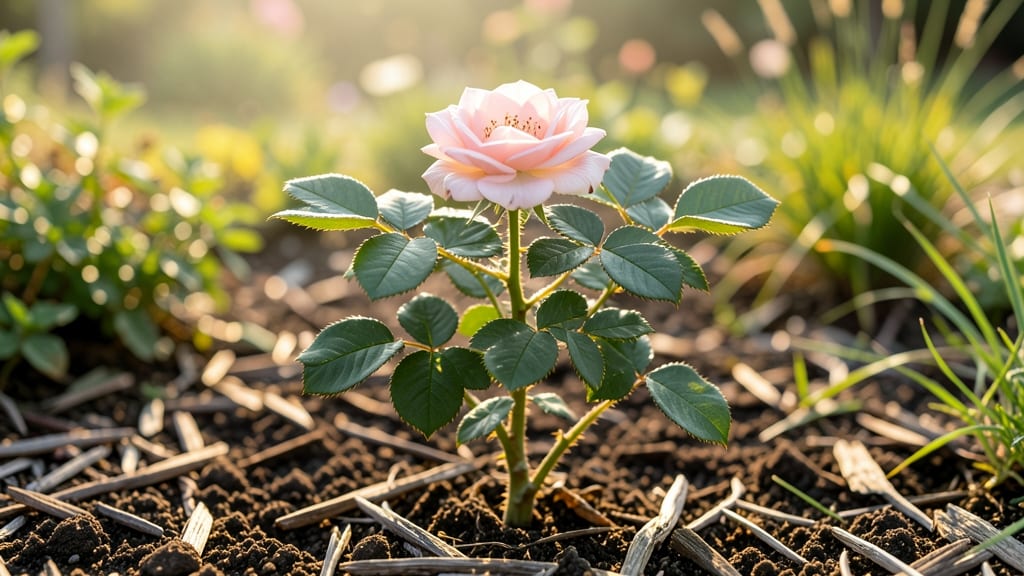
Mini roses are perennials in most climates, returning yearly with proper care, though cold-hardy varieties thrive best in zones 4-9 with winter protection. Some tropical types may die back annually in freezing temperatures.
Mini roses earn their perennial reputation by developing deep root systems that store energy for regrowth each spring. 🌸 Unlike annuals, these compact beauties rebound from winter dormancy when conditions improve, though their resilience depends heavily on your local climate.
In colder regions, proper winter prep—like mulching and protective coverings—can mean the difference between a thriving plant and one that struggles to return.
What sets mini roses apart is their adaptability. While most varieties handle zones 4-9 with minimal fuss, tropical types need extra care during freezes. Even in harsh winters, their hardiness shines when you give them the right conditions—think of them as the tough, low-maintenance cousins of their larger rose relatives.
💡 In This Article
- Mini Rose Cold-Hardiness by USDA Zone
- Winterizing Mini Roses for Year-Round Growth
Mini rose cold-hardiness by USDA zone
Mini roses owe their perennial nature to a clever biological adaptation: their root systems extend deep into the soil, storing carbohydrates like starch and sugars that fuel regrowth after winter dormancy. 🌱 In zones 4-9, where temperatures dip below freezing, these roots act like natural batteries, converting stored energy into new growth when temperatures rise above 40°F.
The deeper the roots go—often 12-18 inches below the surface—the better they survive frost penetration.
The key difference between zones lies in how cold the roots can tolerate. In zone 4 (where winters drop to -30°F), varieties like 'Bonica' or 'Playboy' enter a deep dormancy, halting all metabolic activity until spring.
Their buds remain protected beneath the soil or under mulch, while in zone 9 (mild winters, 20-30°F lows), roses may only need light pruning and minimal insulation. Tropical mini roses, however, lack this cold tolerance and often die back to the ground in zone 5 or colder.
What's fascinating is how temperature triggers dormancy. When nighttime temps consistently stay below 50°F for 2-3 weeks, mini roses produce a hormone called abscisic acid that signals buds to stop growing and harden off.
This process creates a waxy coating on stems and buds, acting like a natural antifreeze. 🌡️ In zone 6-7, where winters hover around 0-10°F, this adaptation is critical—without it, the plant would suffer frost damage to its vascular system.
Root insulation becomes the game-changer in colder zones. Organic mulch like straw or wood chips (applied 4-6 inches deep) can raise soil temps by 5-10°F, creating a microclimate that protects roots.
In zone 4, I've seen mulch reduce frost penetration by nearly 50%, while in zone 8, minimal mulch suffices. The science here is simple: warmer soil means roots stay active longer into fall and wake up earlier in spring.
One misconception is that all mini roses are equally hardy. In reality, some varieties—like the 'David Austin' English mini roses—are bred for zone 5 resilience, while others struggle below zone 7.
The USDA zone map serves as your guide, but local microclimates (like urban heat islands) can push zones 1-2 degrees warmer, extending hardiness. For example, a mini rose thriving in zone 6 might survive zone 5 winters if planted near a south-facing wall.
Here's what happens when you ignore zone-specific care: In zone 4, unprotected mini roses may lose 30-50% of their canes to winter dieback, while in zone 9, improper winter prep can lead to fungal issues from excess moisture.
The solution? Match your variety to your zone and adjust care accordingly—like using burlap wraps in zone 5 or row covers in zone 6 for extra insulation.