
Flowers
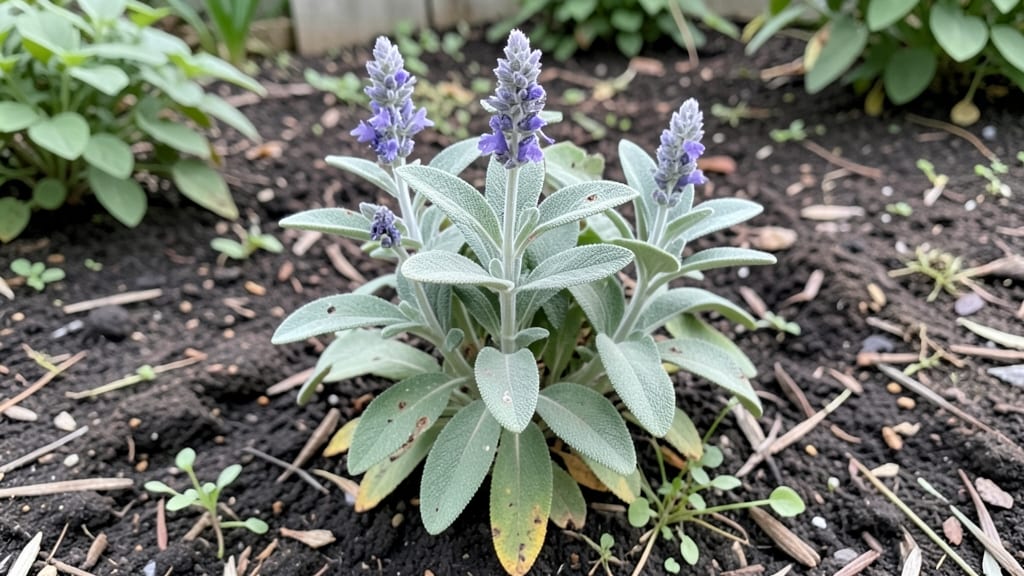
Growing perennial meadow sage 🌿 is your ticket to a garden that thrives with almost no effort—its deep purple blooms return every year if you plant it right.
Picture this: your spring planting leads to a burst of color by summer, but by year two, the blooms fade early, or the stems stretch too tall and flop. That’s not a failure—it’s a fixable mistake most gardeners make without realizing it.
This hardy herb loves full sun and well-draining soil, but even the toughest plants need a little guidance to hit their stride. With the right spacing, pruning, and watering tricks, your meadow sage will reward you with season-long blooms and a pollinator magnet that keeps bees buzzing all summer.
Below, I’ll walk you through the exact steps to plant, prune, and care for it so it grows back bigger and better each year—no green thumb required.
How to plant perennial meadow sage for maximum growth and blooms
Perennial meadow sage (Salvia nemorosa) is one of those dream plants that rewards patience with stunning purple blooms and minimal fuss. Unlike annuals, this hardy herbaceous perennial returns every year, but only if you plant it right.
The key lies in soil prep, sun exposure, and proper spacing—all factors that determine whether your meadow sage thrives or struggles.
I’ve planted dozens of perennials, but meadow sage stands out for its drought tolerance and pollinator magnet status. Bees and butterflies adore it, and once established, it needs almost no watering.
However, skipping these critical planting steps can lead to leggy growth or poor flowering. Let’s fix that by following a proven process for long-term success.
Meadow sage demands full sun (6+ hours daily) to bloom abundantly. In USDA Zones 4-9, plant it in a spot with south-facing exposure—this maximizes sunlight during critical growing months. Avoid shaded areas, which lead to weak stems and fewer flowers.
This plant hates soggy roots. Test your soil’s drainage—if water pools after 30 minutes, amend with sand or compost to improve airflow. Aim for slightly alkaline soil (pH 6.5-7.5). Mix in 1 inch of compost and a handful of perlite to ensure nutrient-rich, well-draining conditions.
Space plants 18-24 inches apart to allow airflow and prevent fungal diseases. Dig holes twice as wide as the root ball but no deeper—this encourages roots to spread horizontally. If planting multiple clumps, create a natural meadow look with staggered rows.
Wait until after the last frost (typically mid-April in Zone 6a) to plant. Cool soil helps roots establish before summer heat. If starting from bare-root plants, soak roots in water for 10 minutes before planting to revive them. Container-grown plants can go in anytime after frost.
After planting, water deeply to settle soil around roots. Apply 2-3 inches of mulch (like straw or shredded bark) to retain moisture and suppress weeds. Avoid piling mulch against stems—keep it 2 inches away to prevent rot.
Skip heavy fertilizers—meadow sage prefers lean soil. In early spring, apply 1 tbsp of 10-10-10 fertilizer per plant. By year two, it’ll thrive without extra nutrients. Over-fertilizing leads to leafy growth at the expense of vibrant blooms.
Once planted, your meadow sage will reward you with bold purple spikes by mid-summer. The secret to long-term success? Resist the urge to overwater—this drought-loving plant stores moisture in its thick stems.
I’ve seen clumps in full sun with no rain for weeks still standing tall, while overwatered plants wilt within days.
For maximum blooms, pair meadow sage with lavender or catmint—they share similar care needs and create a stunning pollinator garden. Just avoid planting near aggressive spreaders like mint, which can crowd out your sage’s roots.
With the right location and minimal intervention, your meadow sage will return bigger and better every year.
Pro tip: Divide clumps every 3-4 years in early spring to rejuvenate growth. Simply dig up the plant, separate the roots, and replant sections. This renews vigor and gives you free plants to share with fellow gardeners!
🌿
Pruning and care tips to extend perennial meadow sage blooms season-long
Perennial meadow sage (Salvia nemorosa) thrives with minimal fuss, but strategic pruning and care can transform its blooming season from a few weeks to a stunning display from early summer until frost.
The key lies in understanding when to prune, how to deadhead, and how to adjust care based on your climate. I’ve learned that skipping these steps often leads to leggy stems and fewer blooms—don’t let that happen to your plants!
Timing is everything with meadow sage. Prune at the wrong time, and you risk stunting new growth or missing the peak flowering window. But with the right approach, you’ll encourage bushier plants and prolonged blooms that attract pollinators all season.
Let’s break down the essential techniques to keep your sage looking its best.
Deadheading is one of the simplest ways to extend blooms, but many gardeners overlook it. I’ve found that snipping off spent flowers every 2–3 weeks triggers new blooms to form, keeping your meadow sage vibrant well into fall.
Use your fingers or clean pruning shears—just avoid cutting into woody stems, as this can harm the plant.
Watering is another critical factor. While meadow sage is drought-resistant, it still needs consistent moisture during its first year. After that, reduce watering to once weekly unless your region experiences extreme heat. Overwatering leads to root rot, which can kill your plants quickly—so always check soil moisture before watering.
Finally, don’t underestimate the power of sunlight. If your sage’s blooms start fading early, it might need more light. Move potted plants to a sunnier spot or thin nearby foliage to improve air circulation. With these adjustments, your meadow sage will reward you with season-long color and minimal effort.