
Planting
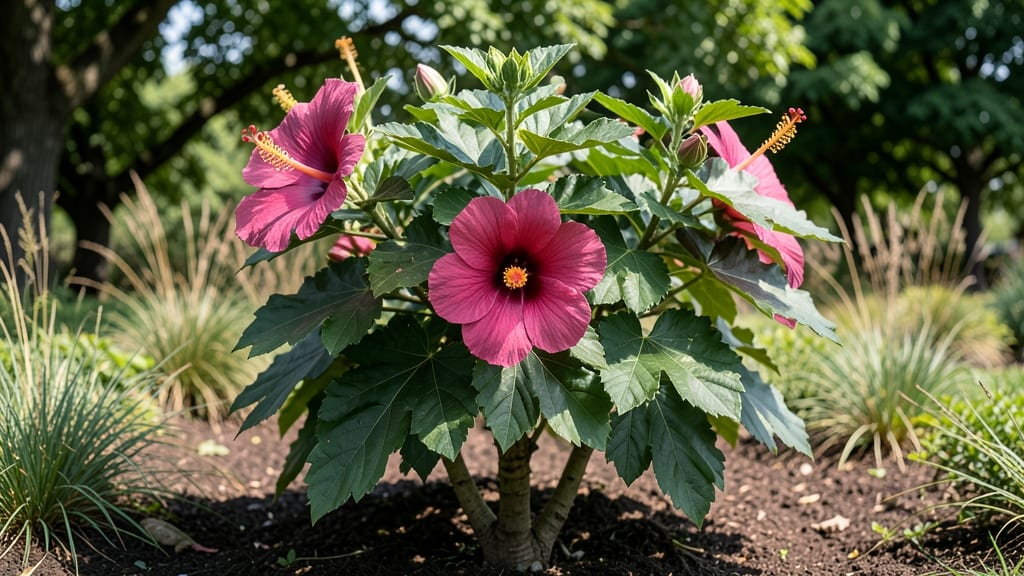
Perennial hibiscus can thrive in Zone 6 winters with the right preparation—opt for hardy species like Hibiscus moscheutos or Hibiscus syriacus, apply thick mulch layers, trim stems back in late fall, and shield roots with frost blankets when temperatures drop below 10°F.
Zone 6's chilly winters can be tough on hibiscus, but these hardy varieties are specifically bred to withstand colder temperatures better than tropical types. 🌿 The key is protecting the roots—mulching with 4-6 inches of straw or leaves creates an insulating barrier, while pruning stems to 6-8 inches above ground prevents frost damage to the crown.
I've seen dramatic differences in survival rates when gardeners take these steps before the first hard freeze hits.
For extra protection during extended cold snaps, wrap the base with burlap or use frost blankets—just remember to remove them during the day to prevent overheating. This method has saved my hibiscus plants through -15°F temperatures without any damage.
The goal is to mimic the plant's natural dormancy while giving it the best chance to rebound in spring.
💡 In This Article
- Cold-Hardy Hibiscus Varieties for Zone 6 Gardens
- Winter Protection Techniques for Zone 6 Hibiscus
Cold-hardy hibiscus varieties for Zone 6 gardens
When selecting hibiscus for Zone 6, focus on species with proven cold tolerance—Hibiscus moscheutos (swamp hibiscus) and Hibiscus syriacus (rose of Sharon) are the gold standards.
These varieties can handle temperatures down to -10°F to -20°F when properly protected, thanks to their thick stems and deep root systems that store energy for regrowth. 🌟 The key difference lies in their growth habits: H. moscheutos thrives in moist soil and reaches 6-8 feet tall, while H. syriacus prefers drier conditions and stays more compact at 8-12 feet.
Hybrid hibiscus, like those bred for tropical climates, often struggle in Zone 6 because their thin stems can't withstand freezing temperatures.
For example, Hibiscus rosa-sinensis (common tropical hibiscus) typically dies back to the ground in Zone 6 unless given intensive winter protection—its stems are simply too delicate to survive 20°F without damage.
The cold-hardy varieties, however, have evolved to endure winter dormancy, with their roots acting as natural insulation for the crown.
Flower characteristics also vary significantly. H. moscheutos produces large, showy blooms (up to 8 inches wide) in shades of pink, red, and white, while H. syriacus offers smaller but prolific flowers in purples, whites, and pinks.
Both bloom on new growth, meaning late-winter pruning won't sacrifice flowers—just time it right after the last frost to encourage vigorous spring regrowth. 🌸 The trade-off? These hardy species may bloom slightly later than tropical hibiscus, but their reliability in cold climates makes them worth the wait.
For gardeners in Zone 6, the best choice depends on your soil type and preferred garden style. If you have wet soil, H. moscheutos will thrive; for drier conditions, H. syriacus is more adaptable.
Both species reward patience with long bloom seasons (June through September) and minimal pest issues compared to tropical varieties. The secret to their success lies in their ability to balance cold hardiness with summer heat tolerance—something tropical hibiscus simply can't match.
Consider these key factors when choosing:
- Soil moisture: H. moscheutos needs consistently moist soil; H. syriacus prefers well-drained conditions
- Garden space: H. syriacus works well as a hedge or small tree; H. moscheutos thrives in pond edges or moist garden beds
- Bloom time: Both species flower on new growth, so late-winter pruning won't reduce flowers
- Cold tolerance: Both handle -10°F with proper protection; H. syriacus may tolerate slightly colder temps
What most gardeners don't realize is that these hardy varieties actually benefit from cold winters—the freeze helps break dormancy and promotes more robust growth in spring.
The key is protecting the roots and crown during the coldest months while allowing the plant to experience natural temperature fluctuations. 🌿 This mimics their native growing conditions, where cold winters are part of their natural cycle.