
Flowers
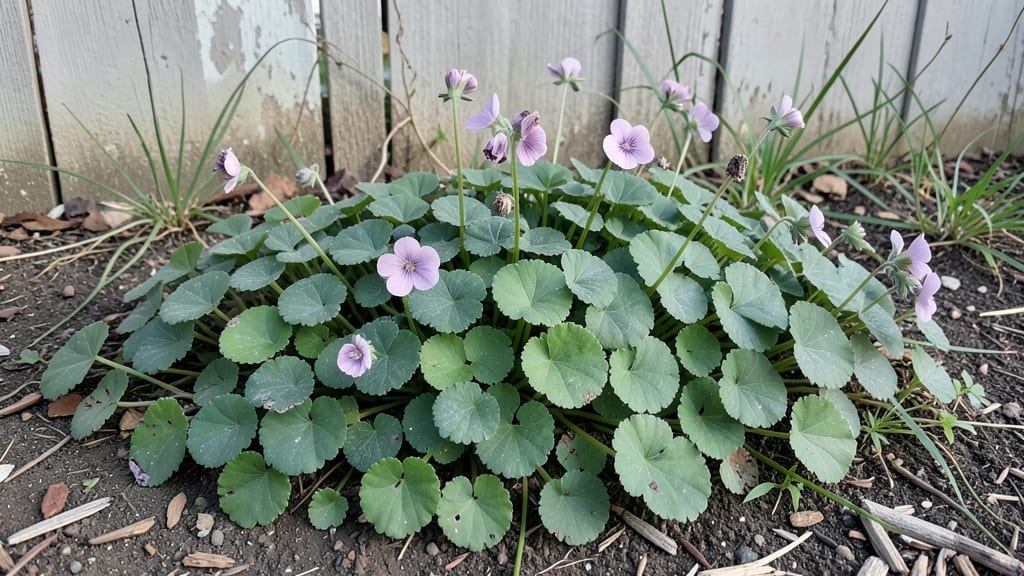
Perennial geraniums thrive where annuals fail—those bold, long-lasting blooms come back stronger every spring, and I’ve learned the exact care routine that keeps mine flowering for months. 🌿 The key isn’t complicated: well-draining soil, three hours of sunlight daily, and a little pruning at the right time.
Most gardeners overwater or prune too late, which is why so many give up on them.
My plants now burst with color from May through frost, with minimal effort after the initial setup. You’ll need a spot with good airflow (they hate soggy roots), a balanced fertilizer in early spring, and the patience to let them establish before heavy pruning.
The first year is all about building strong roots—after that, they’re nearly self-sufficient.
By late summer, you’ll be snipping back leggy stems to encourage fresh blooms, and come winter, a thin layer of mulch protects them through even harsh freezes. The payoff? Vibrant, low-maintenance plants that outperform annuals every time. Let’s get those roots settled for a showstopping season.
Works in zones 3-9, whether tucked into borders, spilled over containers, or planted in mass for a cottage-garden effect. The same rules apply—just adjust mulch thickness for your climate. Here’s how to make them thrive where you are.
📚 In This Guide
- What you need
- Instructions
- Tips and common mistakes
- Wrapping up and next steps
What you need
- ● Perennial geranium plants: Choose cold-hardy varieties (e.g., Geranium macrorrhizum or Geranium sanguineum) from a reputable nursery.
- ● Well-draining soil: 1–2 cubic yards of loamy soil mixed with compost (1 part compost to 3 parts soil).
- ● Organic mulch: 2–3 inches of wood chips, straw, or shredded leaves to retain moisture and insulate roots.
- ● Watering can or hose: With a gentle spray nozzle (1–2 gallons capacity) for deep watering.
- ● Fertilizer: Balanced, slow-release granular fertilizer (10-10-10 or 5-10-5 ratio), 1–2 cups per 10 sq ft in spring.
- ● Pruning shears: Bypass pruners (sharp, clean, and sanitized with rubbing alcohol).
- ● Garden gloves: Heavy-duty nitrile-coated gloves to protect hands from thorns.
- ● Soil pH tester: To ensure soil pH is 6.0–7.0 (geraniums prefer slightly acidic to neutral).
- ○ Plant support (optional): Stakes or cages (4–6 inches tall) if stems flop in full sun.
- ● Disease prevention: Copper fungicide (for powdery mildew-prone areas) or neem oil spray (1 tbsp per gallon of water).
- ● Winter protection (zones 5–7): Burlap or frost cloth to shield from harsh winds.
How to maintain perennial geraniums for reliable seasonal returns
These hardy plants thrive with the right balance of sunlight, soil, and seasonal adjustments.
🌿 Step 1: Plant in Well-Draining Soil with Full Sun Exposure
Perennial geraniums demand 6-8 hours of direct sunlight daily—that's non-negotiable for their blooming vigor. I always select a site with morning sun and afternoon shade in hotter climates, as the leaves can scorch under intense midday rays. The soil must drain freely; these plants rot quickly in soggy conditions.
Amend heavy clay soil with 2-3 inches of compost before planting to improve aeration. Work the compost into the top 12 inches of soil, creating a loose, crumbly texture. You'll know you've done it right when water drains through the soil in 1-2 hours after watering rather than pooling on the surface.
💧 Step 2: Water Deeply but Infrequently During the Growing Season
Once established, perennial geraniums are drought-tolerant, but they need 1-1.5 inches of water weekly during their active growing months. I water deeply—meaning 6-8 inches down into the soil—rather than frequent shallow drinks. This encourages deep root growth, making the plants more resilient to dry spells.
Check moisture by sticking your finger 2 inches into the soil; if it feels dry, it's time to water. Overhead watering promotes fungal diseases, so I use a soaker hose or water at the base. You'll see the leaves perk up noticeably within hours of a good deep watering—that's your cue the roots are happy.
✂️ Step 3: Prune for Bushiness and Blooms Throughout the Season
Deadhead spent blooms regularly to encourage continuous flowering. I pinch off faded flowers with my fingers or use clean pruners to cut just above a set of leaves. This prevents the plant from setting seed and redirects energy into new blooms. You'll notice a surge of fresh flowers within 2-3 weeks of consistent deadheading.
After the first flush of blooms, give the plant a light trim to shape it and remove any leggy growth. Cut back one-third of the plant's height in early summer to promote compact, bushier growth. Avoid heavy pruning late in the season, as new growth won't have time to harden off before winter.
⏰ Step 4: Prepare for Winter with Mulch and Protection
In fall, reduce watering as growth slows, but keep the soil slightly moist. Apply a 2-3 inch layer of mulch around the base of the plant to insulate the roots. I use shredded leaves or straw, which break down slowly and add organic matter to the soil. This layer protects against freezing temperatures and keeps the soil from heaving during freeze-thaw cycles.
In colder climates, add a layer of burlap or frost cloth over the plant once temperatures drop below 20°F. Remove it in early spring once new growth appears. You'll see fresh leaves emerging in late winter or early spring—that's your signal the plant survived and is ready to bloom again.
Tips & tricks for perfect perennial Geranium maintenance
Here's what I've learned after years of growing these cold-hardy beauties—small details make all the difference in their reliability.
Sunlight Strategy: The 6-8 hours of daily sun in Step 1 is crucial, but placement matters just as much. In hotter regions, morning sun with afternoon shade prevents leaf scorch while still providing the full sunlight requirement. I've found that east-facing locations often give the perfect balance—just watch for any yellowing leaves, which signal too much direct afternoon sun.
Soil Test: Before amending with compost, I always do a simple soil test by digging a small hole and filling it with water. If it drains completely within 1-2 hours (as mentioned in Step 1), your soil is ready. If water pools, you'll need to add more organic matter or create raised beds. Geraniums absolutely hate soggy feet!
Pruning Precision: When you're deadheading in Step 3, aim to cut just above a leaf node where new blooms will emerge. I use clean pruners and always sterilize them with rubbing alcohol between plants to prevent spreading disease. The 2-3 week window for new blooms after consistent deadheading is your reward for this careful approach.
Winter Protection: That 20°F threshold in Step 4 is your cue to act. I like to add a layer of burlap over the mulch for extra insulation in extreme cold snaps. In my zone 5 garden, I've seen geraniums survive winters with just mulch, but the burlap gives me peace of mind during those unpredictable late winter dips below 20°F.
Pro Tips for Perennial Geranium Care
- Here's what I've learned after years of growing these cold-hardy beauties—small details make all the difference in their reliability.
- Sunlight Strategy: The 6-8 hours of daily sun in Step 1 is crucial, but placement matters just as much.
- Soil Test: Before amending with compost, I always do a simple soil test by digging a small hole and filling it with water.
Frequently asked questions
Got questions about keeping your perennial geraniums thriving?
You’re not alone! Here are answers to the most common concerns—from planting to pests—so you can enjoy those vibrant blooms season after season.
How do I know if my perennial geranium is truly cold-hardy?
Most perennial geraniums (like Geranium macrorrhizum) survive USDA zones 3–9, but check your specific variety. Look for hairy leaves or crenate (scalloped) edges—these traits often signal cold tolerance. If your plant dies back in winter, it’s likely dormant, not dead! Mulch heavily in fall to protect roots.
When is the best time to prune perennial geraniums?
Prune in early spring (before new growth) or right after flowering (late summer) to encourage bushiness. Avoid heavy cuts in fall—this can stimulate tender new growth that won’t survive frost. Use clean, sharp shears to avoid disease. Pro tip: Deadhead spent blooms all season to prolong flowering!
Why are my geranium leaves turning yellow or spotted?
Yellow leaves often mean overwatering or fungal issues like powdery mildew. Spots could signal bacterial leaf spot or pests (like spider mites). Improve airflow, water at the base (not leaves), and remove affected foliage. For stubborn problems, try a neem oil spray or copper fungicide.
Can I grow perennial geraniums in containers?
Choose well-draining pots (at least 12 inches wide) and use a light, sandy mix with perlite. Containers dry out faster—water deeply when the top inch of soil feels dry. In cold climates, move pots to a sheltered spot or insulate with burlap. Varieties like Geranium sanguineum thrive in pots!
What can I plant alongside perennial geraniums for a low-maintenance border?
Pair them with drought-tolerant companions like lavender, catmint, or sedum for a cohesive look. Bulbs like alliums or daffodils add height and spring color without competing for resources. Avoid heavy feeders (like impatiens)—geraniums prefer lean soil!
Do I need to protect perennial geraniums from winter frost?
Healthy plants in zones 4–9 usually survive with 3–4 inches of mulch (straw or shredded leaves). In colder zones (3 or below), add a lightweight row cover or bury pots in soil. Cut back dead foliage in late winter (after the last frost) to reveal fresh growth.
Wrapping up and next steps
Caring for perennial geraniums is a rewarding journey that brings vibrant blooms back year after year—even through winter! 🌱 With the right balance of sunlight, soil, and seasonal prep, these hardy plants thrive with minimal fuss.
Whether you’re pruning for fuller growth, protecting roots from frost, or troubleshooting pests, your efforts will pay off in a burst of color that brightens every season.
Ready to level up your garden? Grab your shears, mark your calendar for deadheading, and watch your geraniums flourish. Explore more tips or share your progress—happy gardening! 🌸