
Tools
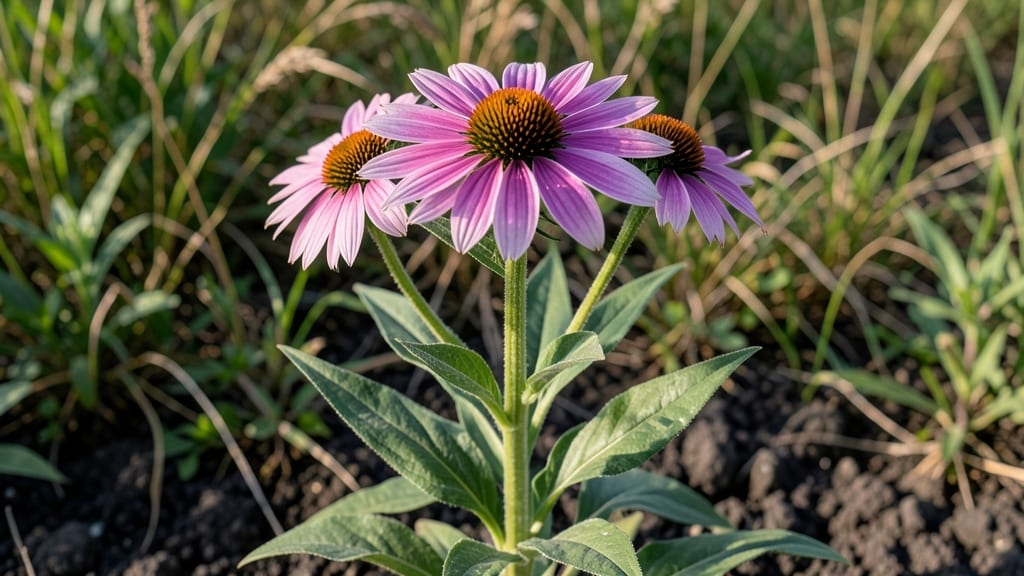
Perennial garden zone 5 plants thrive in cold climates with winter temperatures between -15°F and -10°F, featuring hardy options like coneflowers, hostas, and lavender that return yearly with minimal care. Choose native species for best resilience and seasonal color.
Zone 5's chilly winters actually create ideal conditions for many perennials that struggle in warmer climates. 🌿 The key is selecting plants with cold-hardiness ratings below -15°F—this ensures they'll survive winter dormancy and bounce back stronger in spring.
Native species like black-eyed Susans and Russian sage often require less watering and fertilizing once established, making them perfect for low-maintenance gardens.
What sets zone 5 apart is the extended growing season you get after the last frost (typically around mid-May), giving you more time to enjoy blooms before winter sets in.
I always recommend grouping plants with similar sunlight needs together to create natural microclimates—this simple trick can extend the life of marginal plants during sudden cold snaps.
💡 In This Article
- Understanding USDA Zone 5 Climate for Perennial Success
- Top 10 Cold-Hardy Perennials for Zone 5 Gardens
Understanding USDA zone 5 climate for perennial success
Zone 5's climate is defined by average annual minimum temperatures between -20°F and -10°F, but perennials thrive when winter lows stay above -15°F.
The USDA rating system evaluates how far south a plant can survive, but zone 5's 120-180 frost-free days create a unique challenge: plants must endure both deep freezes and brief warm spells that can trick them into premature growth.
This is why cold-hardy perennials like heucheras (zone 4-9) and catmint (zone 3-8) excel—their cellular structure contains antifreeze proteins that prevent ice crystal formation in tissues.
The real magic happens in the soil. Zone 5 gardens often have clay-heavy or sandy loam soils that drain poorly in spring, creating waterlogged conditions that suffocate roots. The solution? Amending with 2-3 inches of compost improves drainage while retaining moisture during summer droughts.
Mulching with 4-6 inches of shredded bark in late fall insulates roots from temperature swings, maintaining a 5-10°F warmer soil environment than air temperatures—critical for survival during -10°F nights.
Microclimates become your secret weapon in zone 5. A south-facing wall can create a 5-10°F warmer zone perfect for marginally hardy plants like lavender (zone 5-9), while north-facing areas stay 5°F colder.
I've seen Russian sage thrive in full sun near a brick wall while the same plant struggles 10 feet away in exposed ground. This is why I always recommend planting sun-loving perennials near structures and shade-tolerant varieties under trees.
Seasonal timing matters just as much as temperature. Zone 5's last spring frost typically occurs between April 15-May 15, while the first fall frost arrives September 15-October 15.
This 180-day growing window means you can push the limits with tender perennials like salvia (zone 6-10) by planting them in containers that can be moved indoors before frost. The key is watching your local National Weather Service frost forecast—not calendar dates.
What most gardeners overlook is how snow cover acts as insulation. A 6-inch snow blanket can keep soil temperatures 10°F warmer than air temperatures, which is why winter interest plants like ornamental grasses and winterberry holly (zone 3-9) perform so well.
The trade-off? Heavy snow can break stems of tall perennials like Joe Pye weed—so I always stake them before winter sets in.
For maximum resilience, focus on plants with deep root systems that can access moisture during dry spells. Creeping thyme (zone 4-9) spreads just 3 inches below soil but survives -30°F because its roots stay protected.
Meanwhile, hostas (zone 3-9) only go dormant to 4 inches deep, making them vulnerable to freeze-thaw cycles that heave them out of the ground.
Remember: zone 5's climate isn't just about surviving winter—it's about thriving during the growing season. The cool nights and warm days create ideal conditions for slow, steady growth that builds stronger plants than those in hotter zones.
This is why peony roots (zone 3-9) can reach 3 feet deep in zone 5 gardens, while they struggle in zone 8's heat.