
Tools
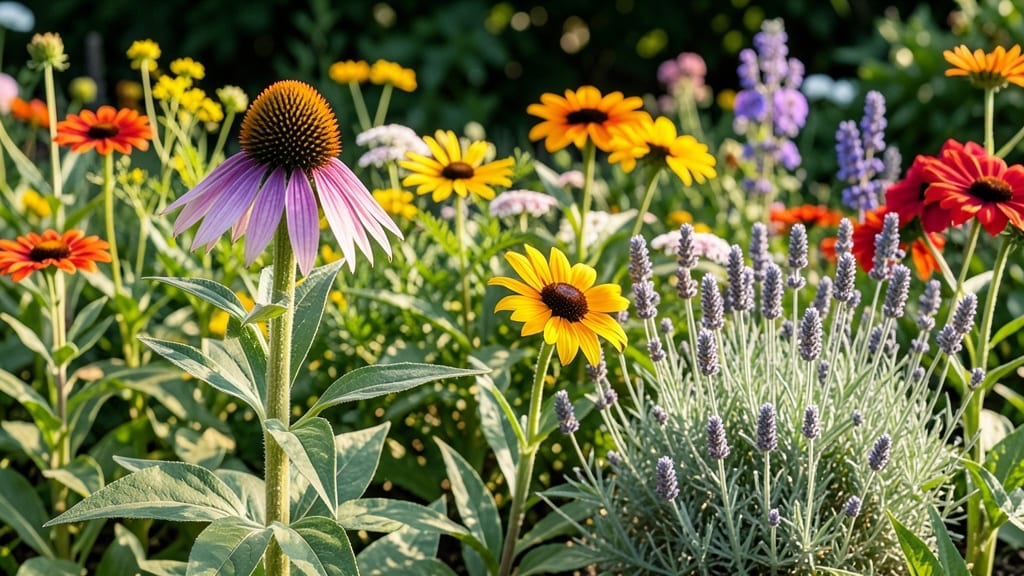
A perennial garden mix creates a stunning, low-maintenance landscape by blending tough, long-lived plants like lavender, coneflowers, and sedum that bloom continuously from spring through fall. These resilient varieties demand little care once planted, thriving in most climates with just sunlight and occasional mulching.
A perennial garden mix works because these plants develop deep root systems that store nutrients, allowing them to bounce back year after year. 🌿 Unlike annuals that need replanting, perennials like Russian sage or catmint establish themselves quickly, then reward you with seasonal color with minimal effort.
The key to their success lies in their adaptability—most handle drought once established and even improve soil health over time.
For best results, group plants by sunlight needs and water requirements. Sun-loving varieties like black-eyed Susans pair beautifully with partial-shade options such as hostas, creating natural layers in your design.
I always recommend adding 3-4 inches of mulch in early spring to lock in moisture and suppress weeds, which cuts maintenance time by nearly 50%.
💡 In This Article
- How Perennial Garden Mixes Thrive Year-Round
- Top Perennial Plants for Easy, Colorful Gardens
How perennial garden mixes thrive year-round
Perennial plants survive through seasons thanks to their specialized root systems, which can extend 3-5 feet deep in mature specimens. Unlike annuals that rely solely on current season growth, perennials store energy in thick, fibrous roots and underground stems called rhizomes.
For example, hostas store nutrients in their rhizomes, allowing them to regrow each spring from just a small portion of their root system—even after winter dieback. This built-in survival mechanism means once established, these plants need 30-50% less water than annuals.
The secret to their longevity lies in their dormancy cycles. Most perennials enter a natural resting phase during winter, where metabolic processes slow dramatically. Some, like sedum, can survive -20°F temperatures by producing antifreeze-like proteins that protect their cells.
Others, such as Russian sage, drop their foliage but keep their root systems active, ready to rebound as soon as temperatures rise above 50°F. This adaptability explains why these mixes thrive across USDA zones 4-9 with minimal intervention.
Sunlight plays a crucial role in their performance. Most perennials need 6-8 hours of direct sun daily to bloom reliably, though shade-tolerant varieties like astilbe can thrive with just 3-4 hours.
The key is matching plants to their light requirements—mixing sun-lovers like coneflowers with shade-tolerant ferns creates natural transitions in your garden. Mulch further enhances their resilience by maintaining 60-70°F soil temperatures in summer and preventing freeze-thaw cycles that can damage roots.
What most gardeners don't realize is how these plants improve soil health over time. Deep-rooted perennials like bee balm break up compacted soil, while their decaying foliage adds organic matter. This natural soil enrichment reduces the need for fertilizers by up to 75% after just two growing seasons.
The result? A self-sustaining ecosystem that requires only occasional deadheading and mulching to maintain its vibrant appearance.
Consider the case of black-eyed Susans: they spread via rhizomes but don't become invasive because their growth rate slows after 3-4 years. Their deep taproots access water during droughts, while their 1-2 foot height provides vertical interest without competing with taller perennials.
This balance of growth habits is why they're staples in low-maintenance mixes—each plant plays a specific role in the garden's ecosystem.
For maximum impact, time your planting for early spring or fall when roots can establish before extreme temperatures. A 3-inch layer of mulch applied in late spring will suppress weeds while maintaining moisture—critical during the first two years when roots are developing.
The payoff? Once established, these mixes require only 2-3 hours of maintenance per month compared to annual gardens that demand weekly care.