
Planting
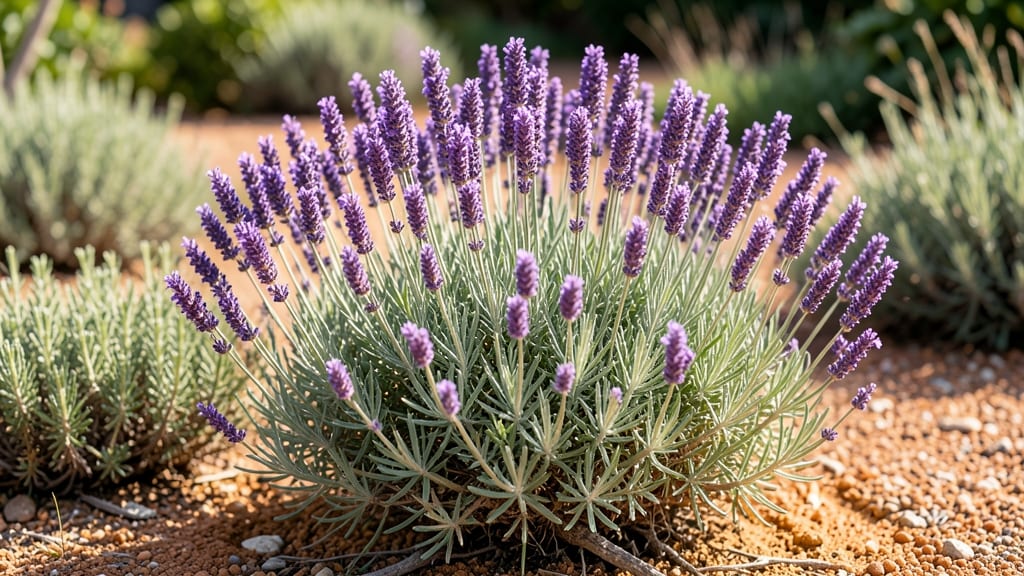
Lavender is a perennial plant, not an annual, that dies back to the ground in winter but regrows from its woody base each spring, thriving for multiple years with proper care in USDA zones 5-9.
Lavender's winter dormancy often confuses gardeners into thinking it's an annual, but its woody root crown and persistent stems prove otherwise. 🌱 Unlike true annuals that complete their lifecycle in one season, lavender stores energy underground during cold months, then bursts back to life when temperatures rise.
This hardy behavior explains why well-established lavender plants can live for decades with minimal intervention.
What sets lavender apart is its ability to regenerate from the same root system year after year. Many gardeners mistakenly prune lavender too aggressively in spring, which can weaken its perennial nature.
The key to maintaining its long-term health lies in understanding its natural growth cycle—providing full sun exposure, well-draining soil, and strategic pruning after flowering to encourage robust regrowth.
The plant's cold hardiness varies by variety, with some cultivars thriving in zone 5's harsh winters while others struggle below zone 7. This adaptability makes lavender an excellent choice for gardeners seeking low-maintenance perennials that reward patience with fragrant blooms and aromatic foliage throughout the growing season.
💡 In This Article
- Why Lavender’s Winter Dieback Doesn’t Mean It’s Annual
- How to Care for Lavender as a Perennial Plant
Why lavender’s winter dieback doesn’t mean it’s annual
The confusion stems from lavender’s dramatic winter dieback, where its above-ground stems shrivel and turn brown—something that mimics annual plants. But here’s the key difference: lavender’s survival depends on its woody root crown, a thickened stem base that stores nutrients underground.
This structure contains meristematic tissue, specialized cells that can regenerate new growth when conditions improve, unlike true annuals which complete their entire lifecycle in one season and die completely.
Botanically, lavender belongs to the Lamiaceae family and exhibits hemicryptophyte behavior—its buds remain just below soil level during dormancy, protected by insulating leaf litter or mulch. The root system can extend 3-5 feet deep in mature plants, anchoring them and storing enough energy to fuel regrowth.
For comparison, annuals like marigolds have shallow root systems that store minimal reserves, forcing them to complete their entire growth cycle in a single season.
Cold hardiness varies dramatically by cultivar: English lavender (Lavandula angustifolia) typically survives down to -15°F (zone 5), while Spanish lavender (Lavandula stoechas) struggles below 20°F (zone 7).
This variation occurs because different species have evolved distinct survival strategies—some develop thicker root crowns while others produce more insulating foliage. The misconception arises when gardeners see the winter-killed stems and assume the plant is dead, when in fact it’s simply dormant.
What makes lavender’s perennial nature particularly fascinating is its secondary growth—the ability to produce new woody tissue each year. This process strengthens the root crown over time, making mature lavender plants increasingly resilient.
Unlike annuals that must start from seed every year, lavender’s established plants can live for 10-20 years or more with proper care, their lifespan limited only by soil depletion or disease rather than biological clock.
The sensory difference between annual and perennial lavender becomes obvious in spring: while annuals must be replanted each year, perennials burst forth with familiar silvery-green foliage and fragrant purple spikes from the same location, often with greater vigor than their first-year counterparts.
This persistent regrowth is your clear indicator that lavender is indeed a perennial, not an annual.
Consider this scientific comparison: true annuals like basil (Ocimum basilicum) allocate all their energy to seed production before dying, while lavender diverts resources to its root system. This fundamental difference in energy allocation explains why lavender can return year after year while annuals must be replanted annually.