
Flowers
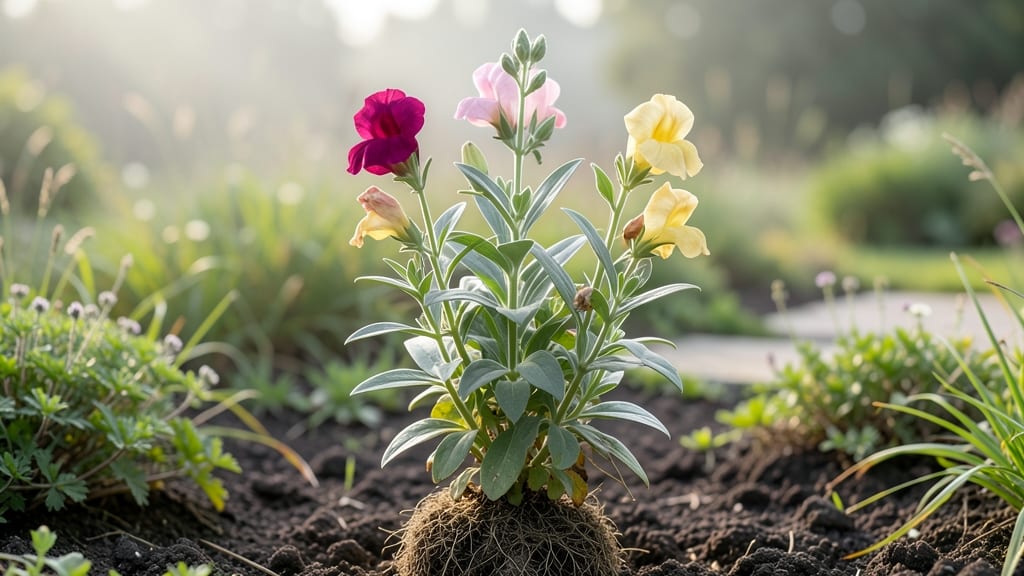
Snapdragons are not these perennial flowers in most regions, though they behave as cool-season annuals or biennials and can survive mild winters in zones 7-11 with protection. In colder areas, they typically regrow from seed each year.
While these snapdragons aren't perennial in most climates, their ability to self-seed makes them feel like they return yearly. 🌱 In warmer zones (7-11), they may persist through winter with mulch or frost blankets, while colder regions treat them as seasonal plants.
The key difference lies in their life cycle: true perennials regrow from the same root system, but snapdragons rely on seeds or protected foliage to bounce back.
This growth pattern explains why gardeners in colder zones often sow seeds in early fall for winter blooms—the plants establish roots before dormancy. Varieties like 'Matrix' and 'Rocket' handle cooler temperatures better, but all snapdragons need protection when frost hits.
The trade-off? Their self-seeding habit means fewer replanting chores each spring.
💡 In This Article
- Snapdragon Lifespan by USDA Plant Hardiness Zones
- Extending Snapdragon Growth Through Seasonal Care
Snapdragon lifespan by USDA plant hardiness zones
Snapdragons thrive as cool-season plants because their natural growth cycle syncs with temperatures between 55-75°F. In USDA zones 7-11, where winters rarely drop below 10°F, they behave like biennials—producing flowers in their first year and setting seeds for next year's growth.
The key difference from true perennials is that snapdragons don't regrow from a persistent root system; instead, they rely on protected foliage or seeds to survive. 🌱
In colder zones (3-6), snapdragons act as annuals because frost below 25°F kills their tender stems. Their roots may survive briefly, but the plant's energy reserves aren't sufficient to regrow without protection.
The 30-day average temperature below 40°F triggers dormancy, halting growth until spring. This explains why gardeners in these regions sow seeds directly in fall—young plants establish roots before winter, then bloom in early spring.
The science behind this involves snapdragons' C3 photosynthetic pathway, which functions optimally in cooler temperatures but shuts down when heat exceeds 80°F. This adaptation makes them perfect for spring and fall gardens but vulnerable to summer heat.
In zones 7-11, mulching with 4-6 inches of straw or leaves insulates roots, while row covers extend the growing season by 2-4 weeks in colder winters.
Cold-hardy varieties like 'Matrix' and 'Rocket' can tolerate brief dips to 20°F when mature, but their flowers freeze at 28°F. This explains why gardeners in zone 7 often see snapdragons return year after year—they self-seed prolifically, even if the parent plants die back.
The trade-off? Their second-year blooms may be less vigorous without careful overwintering strategies. 🌿
Container growing offers another solution for colder climates. Moving potted snapdragons to sheltered porches or greenhouses when nighttime temps drop below 40°F preserves their root systems. The secret lies in maintaining soil temperatures above 45°F—this prevents root dieback and allows regrowth in spring.
This method works especially well for heirloom varieties that don't self-seed reliably.
What most gardeners don't realize is that snapdragons' seed viability lasts 2-3 years in the soil. This means even if plants die back completely, fresh seedlings often emerge the following spring.
The key to maximizing this natural cycle is to avoid heavy foot traffic or tilling after flowering—this preserves seed pods until they naturally release. In zone 8, I've seen snapdragons create dense colonies through this self-seeding habit, requiring minimal intervention. 💫