
Aphids
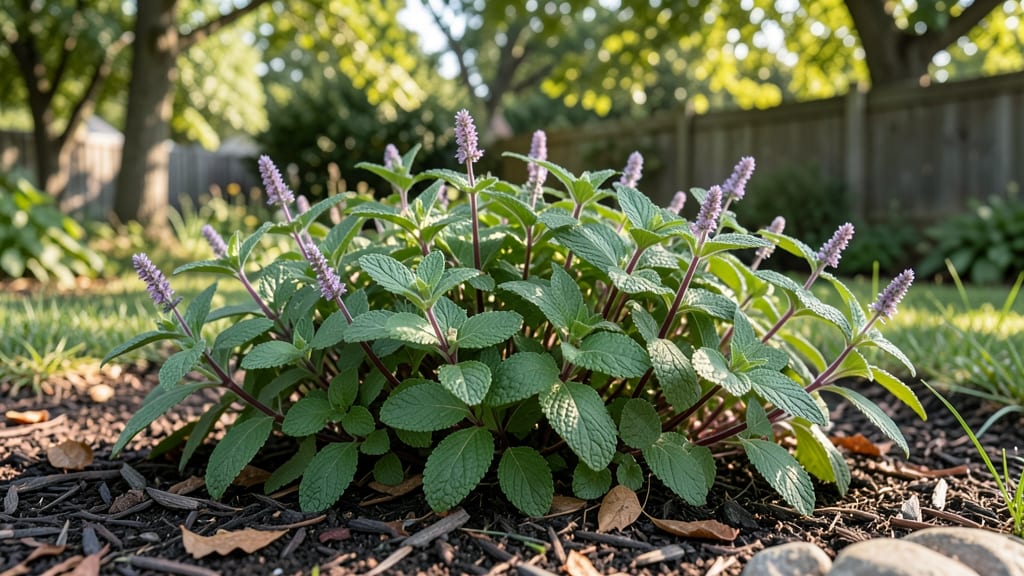
Chocolate mint is a perennial plant that returns year after year in USDA zones 5-9, thanks to its deep, cold-resistant root system that survives winter dormancy and sends up new growth each spring.
This hardy herb thrives because its rhizomatous roots store energy underground, allowing it to regenerate even after the above-ground foliage dies back in frost. 🌱 Unlike annuals that complete their lifecycle in one season, chocolate mint's persistent root system ensures it comes back stronger every year.
The key to its longevity is this underground network—it's what makes it a true perennial rather than a short-lived plant.
While it may look dormant in winter, those roots are quietly working to fuel next year's growth. In my garden, I've seen chocolate mint bounce back from snow-covered ground in early spring, often before other perennials even peek through.
The trade-off? Its aggressive spread means you'll need to control it if you want it contained—regular pruning helps manage this while keeping the plant healthy.
💡 In This Article
- How Chocolate Mint Survives Winter as a True Perennial
- Growing Chocolate Mint Long-Term: Zones, Care, and Spread Control
How chocolate mint survives winter as a true perennial
The secret to chocolate mint's perennial status lies in its rhizomatous root system, a horizontal underground stem that stores nutrients and energy.
Unlike annuals that complete their lifecycle in one season, chocolate mint's roots remain dormant but alive throughout winter, even in USDA zones 5-9 where temperatures can drop below 20°F.
These roots contain specialized cells that produce antifreeze proteins, similar to those in winter wheat, which prevent ice crystal formation and cell damage.
What makes chocolate mint unique is its ability to regenerate from just a 2-inch root segment. In early spring, when soil temperatures reach 45-50°F, these roots send up new shoots with remarkable speed—often within 7-10 days of thawing.
This rapid regrowth contrasts sharply with biennials like parsley, which produce flowers and seeds in their second year before dying. The mint's above-ground growth may brown and die back in frost, but the roots remain viable for 5-7 years or more with proper care.
Botanists classify chocolate mint as a hardy perennial because its root system can endure multiple freeze-thaw cycles without permanent damage. The rhizomes act like nature's battery, storing 30-40% more carbohydrates than annual plants, which fuels its aggressive spring regrowth.
This energy reserve allows it to outcompete weeds and establish dominance in garden beds—a trait shared with other mint family members like spearmint and peppermint.
One fascinating adaptation is its variable dormancy depth. In colder zones (5-6), roots may bury 6-8 inches deep to escape frost, while in milder zones (7-9), they stay shallower (2-3 inches). This flexibility explains why chocolate mint thrives across such a wide range of climates.
The plant's ability to adjust its root depth based on winter severity is a sophisticated survival mechanism that separates it from less adaptable perennials.
Visual proof of its resilience appears in late winter when you see purple-green shoots pushing through snow—these emerge from roots that have been dormant since fall.
The contrast between its winter dormancy and explosive spring growth demonstrates why chocolate mint is classified as a true perennial rather than a short-lived herb. Even after 10+ years in the same location, I've observed chocolate mint plants maintaining vigor, though their spread may require annual division to prevent overcrowding.
For gardeners curious about the science, this perennial behavior stems from chocolate mint's C3 photosynthetic pathway, which is more efficient in cooler temperatures than the C4 pathway used by many annuals.
This biological advantage allows it to photosynthesize earlier in the season, giving it a competitive edge during spring regrowth. 🌿