
Flowers
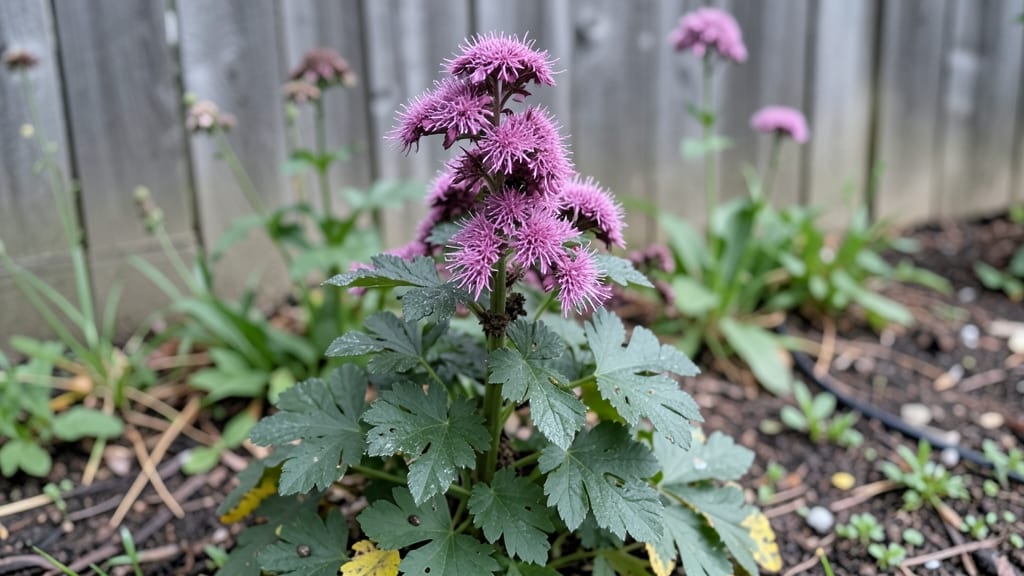
A perennial astilbe plant 🌸 brings soft plumes of color to shady spots where few other flowers dare to grow, but not all varieties thrive in the same spot.
Picture this: You’ve spent hours digging a perfect garden bed, only to watch your tall astilbes flop over in summer heat or your dwarf types disappear into the shadows. The secret isn’t just planting—it’s matching the right variety to your light, soil, and space.
From 1-foot woodland gems to 4-foot statement-makers, astilbes offer bloom times from early to late summer, with colors ranging from snowy white to deep purple. The key? Knowing which one will stand tall (or stay compact) where you plant it.
Here’s how to pick the perfect astilbe for your garden—plus the pro tips to keep them blooming year after year without the guesswork.
How to select astilbe varieties based on mature height
Choosing the right perennial astilbe plant starts with understanding how mature height impacts your garden design. From delicate dwarf varieties to towering tall astilbes, each height range serves a unique purpose—whether you're filling containers, edging woodland borders, or adding drama to backyard perennials.
The right height ensures your plants thrive without flopping in wind or struggling for sunlight.
Taller astilbes (18"+) need protected locations to avoid flopping, while short varieties (6"-12") excel in containers or front borders. Even sunlight exposure shifts with height—taller stems require more air circulation to prevent fungal issues.
Let’s break down the best astilbe varieties by height and where they shine in your landscape.
🌸 Comparison Table: Astilbe Varieties by Height
For dwarf astilbes, varieties like 'Fanal' (deep red) or 'Bridal Veil' (white) thrive in containers or as border edging. Their compact size (6"-12") makes them perfect for small gardens or rooftop planters, where space is limited.
These varieties also handle wind exposure better than taller types, making them ideal for exposed patios or balconies.
When selecting medium-height astilbes (12"-18"), prioritize woodland edges or mid-border plantings. Examples like 'Deutschland' (pink) or 'Glutball' (red) add textural contrast to hostas or ferns.
Their slightly taller stature allows them to peek over shorter perennials while still benefiting from partial shade—ideal for morning sun with afternoon relief.
Taller astilbes (18"+) demand backyard prominence. Varieties like 'Peach Blossom' or 'Vision in Pink' create dramatic focal points but require staking or protected locations to prevent flopping. Place them near trees or fences where they won’t topple in breezes.
These giants also need more sunlight (up to 6 hours) to support their height, though they’ll still appreciate afternoon shade in hot climates.
Height also affects sunlight exposure needs. Taller astilbes with thinner stems may scorch in direct afternoon sun, while dwarf varieties can handle slightly more light without stress.
If your garden has hot, dry spells, opt for medium-height types—they strike a balance between sun tolerance and moisture retention.
Pro tip: Group astilbes by height to create natural layers in your garden. Pair dwarf astilbes with ground covers, medium varieties with mid-height perennials, and tall astilbes with grasses or ornamental shrubs.
This technique maximizes visual impact while ensuring each plant gets the right light and airflow for success.
Don’t overlook container gardening for astilbes! Dwarf and medium varieties excel in pots, where you can control moisture levels and wind exposure. Use terracotta containers for a classic look or hanging baskets to cascade 'Bridal Veil' over decks. Just ensure containers have drainage holes—astilbes hate soggy roots!
Finally, consider seasonal timing when pairing heights. Early-blooming tall astilbes (like 'Peach Blossom') can anchor a summer border, while late-blooming dwarfs (like 'Fanal') extend color into fall. Mixing heights and bloom times creates a continuous garden display from June through September.
Best astilbe bloom times by season and color palette
Astilbe blooms bring a soft, feathery elegance to gardens from early summer to late summer, offering a continuous show when layered correctly. Their heat tolerance varies by variety, but most thrive in USDA zones 3–8, making them perfect for cooler climates.
Understanding their seasonal bloom cycles helps you plan a colorful, long-lasting display.
Early bloomers like 'Fanal' (deep red) and 'Purple Haze' kick off the season in June, while late varieties such as 'Deutschland' (white) and 'Bridal Veil' (pink) extend color into August.
This staggered bloom time ensures your garden stays vibrant without gaps. Plus, their heat tolerance improves with afternoon shade, protecting delicate blooms from wilting.
| Variety | Bloom Time | Color Palette | Heat Tolerance | Best Placement |
|---|---|---|---|---|
| 'Fanal' | Early June | Deep red | Moderate (needs shade) | Woodland edges |
| 'Purple Haze' | June–July | Lavender-pink | Moderate | Partial shade borders |
| 'Deutschland' | July–August | Pure white | High (tolerates heat) | Containers or sunny spots |
| 'Bridal Veil' | Late July–August | Soft pink | Moderate | Shady garden corners |
| 'Glut' | June–July | Bright red | Moderate | Moisture-retentive beds |
For a non-stop color show, mix early, mid, and late bloomers in the same area. For example, pair 'Fanal' (early June) with 'Glut' (June–July) and 'Deutschland' (July–August) to create a progressive bloom wave.
This layering technique also works well in containers or window boxes, where you can rotate pots to highlight each variety as it blooms.
Color trends in astilbe run the gamut from soft pinks to deep purples, with white varieties standing out as bold accents. If you love romantic garden styles, opt for pale pinks and lavenders like 'Purple Haze'.
For a dramatic punch, 'Glut' or 'Fanal' add rich reds that contrast beautifully with greenery and silver foliage.
Astilbe’s heat tolerance is a key factor in their success. While they prefer cooler conditions, varieties like 'Deutschland' handle afternoon sun better than others. To protect delicate blooms, mulch heavily in summer months to retain moisture and reduce soil temperature.
Avoid placing them in full afternoon sun, especially in hotter zones, as this can cause wilting or leaf scorch.
Pro tip: Deadhead spent blooms in early fall to encourage a second flush of flowers in some varieties. This extends your seasonal interest and keeps your garden looking fresh well into September.
With the right mix of colors and bloom times, astilbe becomes a garden workhorse that’s as low-maintenance as it is stunning. 🌸