
Flowers
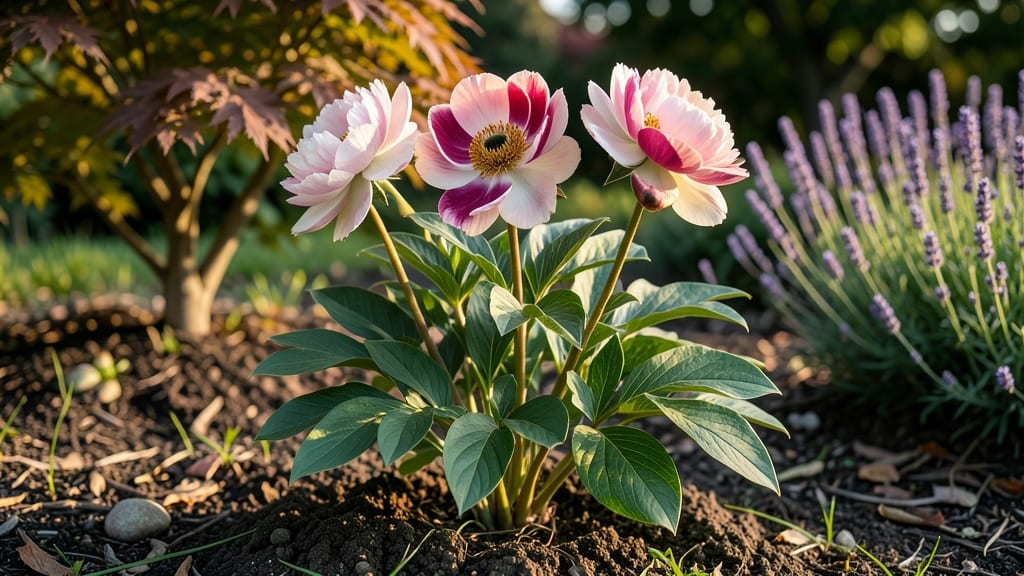
Peonies are not an annual or perennial by choice—they're perennials that exhibit seasonal dieback, appearing dormant in winter but regrowing from their roots each spring. Their lifespan spans decades with proper care, though improper conditions may mimic annual behavior by failing to regenerate.
Peonies might seem like the annual or perennial when they fade in winter, but their underground roots stay alive, ready to burst back in spring. 🌱 This hardy behavior is why they can live for decades with the right care—think of them as garden workhorses that take a seasonal nap.
The key difference from true annuals is that peonies never fully die; they just hibernate until conditions improve.
What makes this even more interesting is how their root systems store energy like a biological battery. Unlike annuals, which complete their entire life cycle in one season, peonies store nutrients underground during dormancy, then use those reserves to fuel dramatic spring regrowth.
This biological strategy is why peonies often outlive gardeners!
However, this resilience has limits—poor soil, extreme cold, or improper pruning can trick peonies into behaving like annuals by preventing their roots from regenerating properly. That's why winter mulching and proper pruning become critical maintenance tasks for preserving their perennial nature.
💡 In This Article
- Why Peonies Act Like Perennials Despite Winter Dieback
- Caring for Peonies to Ensure Long-Term Perennial Growth
Why peonies act like perennials despite winter dieback
Peonies rely on a specialized root system called a crown—a thick, woody structure that sits just below the soil surface. This crown contains dormant buds that remain viable even during winter's harshest conditions.
Unlike true annuals, which complete their entire life cycle in one season and die completely, peony crowns store carbohydrates like starches and sugars during summer and fall, creating an energy reserve for regrowth.
These reserves can sustain the plant for months without visible growth, which is why peonies appear dormant but aren't truly dead.
The magic happens in the rhizome system, which spreads horizontally beneath the soil. Peony rhizomes can grow up to 12-18 inches long and produce new shoots from multiple points along their length. This decentralized growth pattern means even if one section fails, others can compensate.
In contrast, annuals have a single, non-persistent root system that dies back completely after seeding. The rhizome's ability to regenerate makes peonies far more resilient—some historic specimens have lived for over 100 years with proper care!
Temperature plays a crucial role in this process. Peonies require a period of winter chilling (30-45 days below 40°F) to break dormancy, a process called vernalization. Without this cold exposure, stored energy remains dormant, and the plant may fail to regrow in spring.
This is why peonies struggle in warm climates without proper winter protection. The contrast with annuals is stark—annuals germinate, grow, flower, and die within 6-12 months, while peonies can remain dormant for years before regrowing.
What most gardeners miss is the leaf function during dormancy. Even when stems appear dead, peony leaves continue photosynthesis underground, replenishing the crown's energy stores. This hidden process ensures the plant's survival through winter. Annuals lack this capability—their entire above-ground structure dies back completely, with no energy storage mechanism.
The peony's ability to "bank" energy makes it a true perennial, capable of returning year after year with minimal intervention.
Consider this biological strategy: peonies allocate 30-40% of their annual energy production to root and crown development, while annuals invest everything in rapid above-ground growth. This energy partitioning is what gives peonies their legendary longevity.
The crown's thick, corky texture also provides natural insulation against temperature swings and soil pathogens, further protecting the plant's perennial nature.
One fascinating example is the Chinese peony (Paeonia suffruticosa), which has been cultivated for over 1,500 years in China. These trees grow from woody stems but share the same perennial root system principles as herbaceous peonies.
Their ability to regenerate from old wood demonstrates how deeply rooted (pun intended) the perennial growth strategy is across the genus.