
Light Requirements
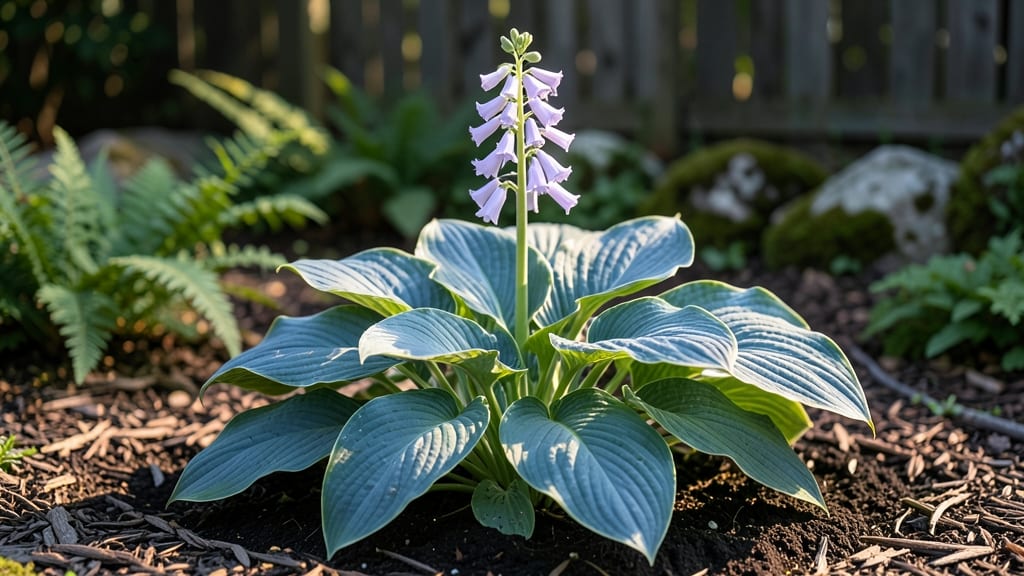
Part shade flowers perennials like hostas, astilbes, and bleeding hearts thrive in dappled sunlight with 3-6 hours of indirect light daily, offering vibrant blooms and lush foliage while tolerating cooler, shaded conditions better than full-sun varieties. Choose based on your microclimate and soil type for optimal growth.
Part shade perennials aren't just survivors—they're showstoppers in gardens where full sun is hard to come by. 🌿 The key is understanding how they adapt: plants like heuchera and foxglove actually develop thicker leaves to protect themselves from bright but filtered light, while others like Japanese anemone bloom later in the season when sunlight is less intense.
What sets these apart is their ability to balance photosynthesis without overheating, making them perfect for patios, woodland edges, or areas near trees where direct sun would scorch other plants.
I always recommend testing your spot first—if you can cast a shadow with your hand and still see sunlight through the leaves, that's your sweet spot for these perennials.
These plants also reward patience with their seasonal performance. Many part shade perennials deliver two seasons of interest: early foliage color from coral bells, followed by summer blooms from toad lilies, or even winter interest from hellebores that bloom when most gardens are dormant.
The trade-off? They typically grow more slowly than sun-lovers, so give them time to establish roots before expecting that lush, established look. For best results, I've found that amending soil with compost and mulching helps simulate their natural forest-floor conditions.
💡 In This Article
- How Light Conditions Affect Part Shade Perennials
- Top 15 Perennials for Different Shade Levels
How light conditions affect part shade perennials
Part shade perennials have evolved fascinating adaptations to handle the fluctuating light conditions of dappled sunlight. The key mechanism is photoperiodism, where plants regulate growth based on daylight duration and intensity.
Unlike full-sun plants that need continuous 6+ hours of direct light, these perennials thrive with 3-6 hours of indirect light where sunlight filters through leaves or branches. This creates a dynamic light environment that prevents leaf scorch while still allowing photosynthesis.
For example, hostas develop thicker, waxy leaves to reflect excess light, while astilbes grow narrower leaves to maximize surface area for capturing filtered rays.
The science gets even more interesting when we look at leaf morphology.
Plants in part shade often produce larger, thinner leaves with more chlorophyll to capture every photon of available light. 🌿 Take bleeding hearts (Dicentra spectabilis)—their delicate, heart-shaped leaves grow vertically to intercept light as it dapples through the canopy.
Meanwhile, deep shade perennials like foamflower (Tiarella cordifolia) develop smaller, darker leaves that conserve energy in low-light conditions. What's surprising is how some "part shade" plants actually struggle in too much direct sun—their leaf structure can't handle the heat, leading to brown edges or wilting despite being labeled shade-tolerant.
Understanding your garden's microclimate is crucial because part shade isn't one-size-fits-all. A spot under deciduous trees gets intense morning sun but afternoon shade, while an evergreen's drip line creates consistent but dimmer light.
I've seen Japanese anemones thrive under oaks where they get 4 hours of morning sun, but the same plant wilts under 2 hours of afternoon sun—the heat stress is the difference-maker.
Soil moisture plays a role too: part shade areas often stay damp longer, so plants like lungwort (Pulmonaria) that love humidity do exceptionally well there. The takeaway? Test your spot for 2-3 weeks before planting to see how light shifts throughout the day.
One common mistake is assuming all part shade plants have identical needs. For instance, heuchera (coral bells) can handle morning sun but will scorch in hot afternoon rays, while toad lilies (Tricyrtis) prefer cooler, moister shade and may struggle even with 4 hours of light.
The light quality matters just as much as duration—blue-rich light under trees promotes compact growth, while green-filtered light can lead to leggy stems.
This is why gardeners often group part shade plants by their native habitat: woodland edge plants (like trilliums) tolerate more light than deep forest species (like solitary bee orchids).
For practical application, consider these light intensity tiers when selecting plants:
- Light shade (3-4 hours sun): Ideal for hostas, peonies, and daylilies—these handle morning sun but need afternoon relief
- Medium shade (2-3 hours sun): Perfect for astilbes, bleeding hearts, and foxgloves—they bloom best with some direct light
- Deep shade (<1 hour sun): Reserved for heuchera, ferns, and hellebores—these thrive in consistent low light
The beauty of part shade perennials lies in their ability to transform challenging garden spaces into lush, vibrant areas.
By matching plants to your specific light conditions, you'll avoid the frustration of wilting leaves or poor blooming—because these plants aren't just surviving, they're thriving in conditions where others would fail. 🌸