
Flowers
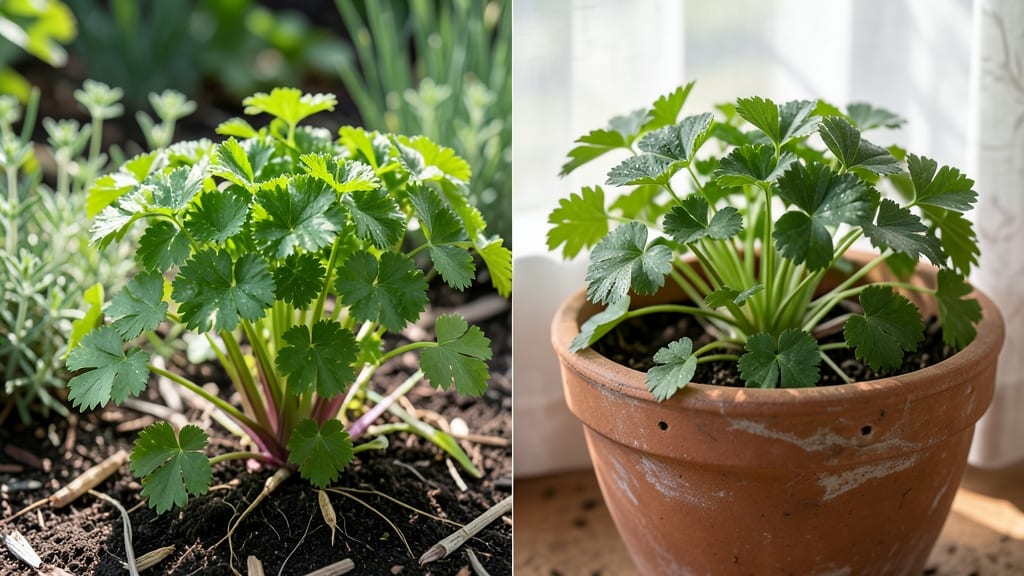
Determining whether parsley is a perennial or annual depends on your climate: in most regions, it grows as a biennial, completing its life cycle in 2 years, but in warmer zones, it can act like a short-lived perennial lasting 2–3 years before fading. Poor care or frost often makes it seem like an annual when it’s actually just dormant.
Parsley’s lifespan isn’t black-and-white because it bridges both categories.
In colder climates, it bolts and dies after its second year, while in milder areas, it may survive winters as a short-lived perennial—though not indefinitely. 🌱 The key difference lies in how well it handles frost: a single hard freeze can kill it back to the ground, but protected plants often regrow from the roots.
Many gardeners mistake this winter dormancy for death, leading them to replant too soon.
What’s interesting is how parsley’s growth cycle mirrors its culinary use. The first year focuses on leaf production, while the second year shifts to flowering and seeding. This biennial pattern explains why some varieties seem to "disappear" after blooming—it’s not failure, just biology.
For growers in frost-prone areas, extending parsley’s life means protecting it with mulch or containers during winter.
💡 In This Article
- How Climate and Care Affect Parsley’s Lifespan
- Reviving ‘Dead’ Parsley: Signs of Life and Rescue Tips
How climate and care affect parsley’s lifespan
Parsley's lifespan hinges on two critical factors: frost tolerance and soil conditions. In USDA Zones 3-7, where winters drop below 20°F, parsley typically behaves as a biennial, completing its life cycle in two years.
The first year focuses on leaf growth, while the second year shifts energy to flowering and seed production—after which the plant dies.
However, in Zones 8-10, where winter lows rarely dip below 30°F, parsley can persist as a short-lived perennial for 2-3 years by entering dormancy rather than dying outright.
The difference comes down to cold hardiness.
Parsley's roots can survive light frosts (-5°F to 10°F), but prolonged exposure to -10°F or lower kills the crown, making it appear dead when it’s actually just dormant. 🌱 Soil health plays an equally vital role: well-drained, nutrient-rich soil with pH 6.0-7.0 gives parsley the energy to regrow after winter, while poor soil accelerates decline.
Overwatering or soggy conditions, however, rot the roots, mimicking the effects of frost damage.
Gardeners in transitional climates (like Zone 7b) often see parsley's true potential. With proper mulching (using 3-4 inches of straw or leaves), the plant can survive winters and regrow in spring, acting like a perennial.
Container-grown parsley also thrives in cold climates because pots insulate roots better than in-ground planting. The key is protecting the crown from freeze-thaw cycles, which cause more damage than steady cold.
Seed maturity matters too. Parsley grown from seed in its first year produces biennial plants that flower and die in year two. But if you start with mature transplants, they may skip the flowering stage entirely, extending their lifespan.
This explains why some gardeners get 3-year-old parsley while others struggle with 1-year plants—it’s not just climate, but also how and when you planted it.
Watering habits complete the puzzle. Parsley needs consistent moisture (about 1 inch per week) but detests soggy soil. Overwatering in winter can drown roots, while drought stress weakens the plant’s ability to regrow.
The sweet spot is moderate, even moisture—enough to keep soil damp but not waterlogged. In dry climates, drip irrigation or soaker hoses work best to maintain this balance.
What most growers miss is that parsley’s decline isn’t always about age—it’s often about stress. A sudden temperature swing from 70°F to 20°F in one night can shock the plant into early dormancy, while improper pruning (cutting too aggressively in late summer) diverts energy away from root storage.
Paying attention to these details can turn a biennial into a perennial in your garden. ✨