
Flowers
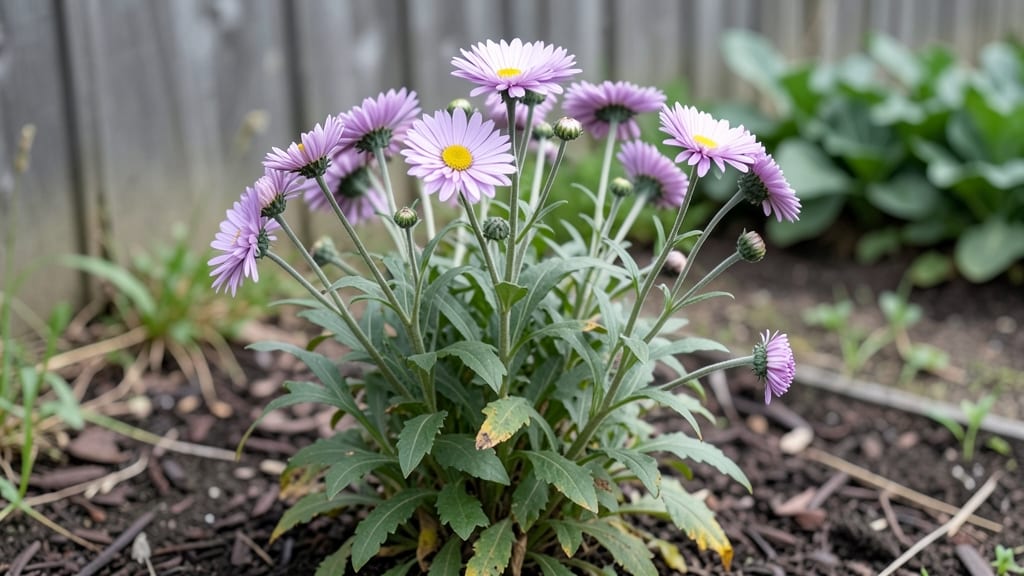
Growing a painted daisy perennial 🌼 means adding a splash of summer color that just keeps coming back—no replanting, no fuss, just effortless blooms from June through frost.
Picture this: a garden that looks like it took a whole weekend to plant, but actually thrives on neglect. Painted daisies spread naturally, filling gaps with their cheerful faces while demanding almost no work from you. That’s the magic of these cold-hardy perennials, which thrive in Zone 6a and beyond.
Here’s the secret to making them spread like wildfire (in the best way): plant them in March or April, give them full sun, and let them do their thing.
I’ll walk you through the exact steps—from soil prep to pruning—to turn your garden into a low-maintenance paradise that blooms year after year.
Ready to ditch the annuals and welcome a perennial that outlasts them all? Let’s get your painted daisies growing strong, spreading happy, and filling your garden with season-long color.
Top 5 cold-hardy painted daisy perennial varieties for Zone 3-7
If you're dreaming of a garden that bursts with color from early summer to frost, painted daisies (Chrysanthemum × superbum) are your perfect perennial. These cold-hardy beauties thrive in Zones 3-7 and spread naturally, creating stunning drifts with minimal effort.
The best varieties offer vibrant blooms, long bloom times, and adaptability to different garden conditions.
Not all painted daisies perform equally, though. Some varieties outshine others with earlier blooms, bolder colors, or better cold tolerance. Whether you want compact clumps for borders or taller stems for cutting, I’ve handpicked the top 5 cold-hardy varieties that deliver year after year.
Let’s dive into their unique traits so you can choose the perfect fit for your garden.
🌼
Each of these painted daisy varieties brings something special to your garden. For instance, 'Little Spencer' is a compact powerhouse perfect for small spaces or container gardens, while 'Marmalade' delivers long-lasting blooms that attract butterflies and bees.
If you love bold colors, 'Becky' with its deep red blooms will stop traffic in your neighborhood.
The cold hardiness of these varieties ensures they’ll survive harsh winters in Zone 3 and beyond. Even in Zone 7, they’ll reward you with reliable blooms year after year. For example, 'Woodland Pink' thrives in part shade, making it ideal for woodland gardens or
How to create a thriving painted daisy perennial garden that spreads naturally
Painted daisies (Chrysanthemum × superbum or Tanacetum coccineum) are dreamy perennials that reward gardeners with vibrant blooms and natural spread.
The key to a lush garden lies in proper planting techniques, soil preparation, and seasonal care—all while giving these plants room to thrive without taking over. With the right approach, you’ll enjoy year-round color with minimal effort.
These hardy plants thrive in USDA Zones 3-9 and love full sun exposure (6+ hours daily). Their clumping habit makes them perfect for borders, cottage gardens, or wildflower meadows.
The secret to their vigorous spread? Healthy roots, balanced nutrients, and strategic pruning. Let’s dive into the step-by-step process to create your own low-maintenance painted daisy paradise.
Select a spot with full sun and well-draining soil. Painted daisies tolerate partial shade but bloom best with 6+ hours of sunlight. Avoid low-lying areas where water pools.
Amend the soil with 2-3 inches of compost or aged manure to improve drainage and fertility. These plants prefer slightly acidic to neutral soil (pH 6.0-7.0). Test your soil and adjust with lime or sulfur if needed.
Space plants 18-24 inches apart to allow for natural spread. This gives roots room to establish while preventing overcrowding. For a fuller look faster, plant 3-4 plants per square foot in clusters.
Water thoroughly at planting to settle the soil and encourage root growth. Keep the soil moist but not soggy for the first 2-3 weeks. Once established, painted daisies are drought-tolerant but bloom best with consistent moisture.
Apply a 2-inch layer of mulch (straw or shredded bark) around the base to retain moisture and suppress weeds. Mulch also protects roots during hot summers and cold winters.
Use a balanced fertilizer (10-10-10) at planting and again in early spring. Avoid over-fertilizing, as this can lead to leafy growth at the expense of blooms. A light feeding in summer keeps flowers vibrant.
Cut back dead or leggy stems in early spring to encourage new growth. After the first flush of blooms, trim spent flowers to promote continuous blooming. Avoid heavy pruning in fall to protect winter-hardy varieties.
To encourage natural spread, avoid disturbing the roots during the growing season. Painted daisies multiply via rhizomes, so resist the urge to dig up clumps unless you’re dividing them in early spring or fall. Divide every 3-4 years to rejuvenate older plants and share with fellow gardeners.
With these steps, your painted daisy garden will thrive year after year, spreading beautifully while requiring minimal upkeep. The result? A colorful, low-maintenance display that brightens your garden from summer to frost—and beyond! 🌼