
Container Gardens
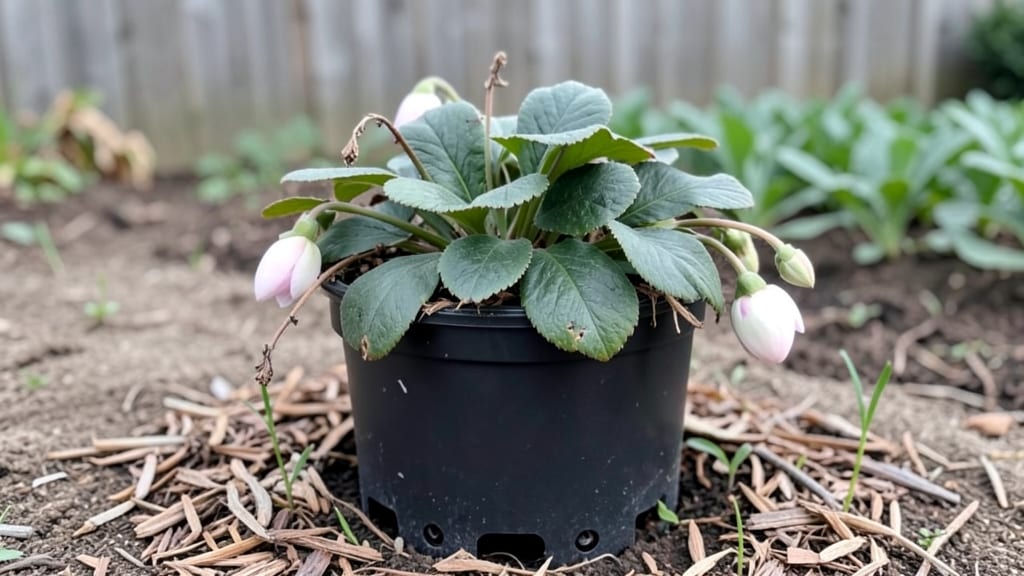
Overwintering perennials in pots saved my frost-sensitive lavender last winter—now it's thriving again this spring. The key isn't just wrapping pots or piling on mulch; it's understanding when to act, which plants can handle cold, and how to mimic their natural winter protection.
I learned the hard way that timing matters more than technique when the first frost hits.
You'll need cold-hardy perennials like Russian sage, sedum, or hardy ferns, containers with drainage, and a few simple supplies: extra mulch, bubble wrap, and a sheltered spot. The goal is to keep roots from freezing while letting plants rest naturally.
My 5-gallon clay pots with wrapped bases outperformed plastic ones because they insulate better and dry out faster in spring.
By late fall, you'll move pots to a north-facing wall or unheated garage, wrap them in thick insulation, and cut back dead foliage—but leave some stems for protection.
Water sparingly to prevent soggy soil, and check monthly for ice buildup. When spring arrives, you'll see fresh growth before ground-planted perennials even wake up.
This method works for zones 4-7, but adjust timing for early frosts or late springs. The secret isn't perfection—it's giving plants enough protection to survive while letting them rest.
Your lavender, heuchera, or even small shrubs will thank you next spring with vibrant green foliage and blooms that outshine store-bought plants.
📚 In This Guide
- What you need
- Instructions
- Tips and common mistakes
- Wrapping up and next steps
What you need
- ● Containers: 1-2 durable, well-draining pots (size depends on plant—match to root ball + 2-3" extra space). Use terracotta, plastic, or fiberglass (avoid thin, breakable pots).
- ○ Optional: Insulated pots (e.g., double-walled or wrapped in bubble wrap) for extra cold protection.
- ● Growing Medium: 1 bag high-quality potting mix (look for "well-draining" or "container mix" with perlite/vermiculite). Quantity: Enough to fill pots 2/3 full (adjust for pot size).
- ○ Optional: Compost or worm castings (1 cup per pot) for a nutrient boost before winter.
- ● Mulch & Insulation: 1-2 inches organic mulch (straw, shredded leaves, or bark chips). Quantity: Enough to cover soil surface in pots.
- ○ Optional: Bubble wrap or frost blankets (cut to fit pot dimensions).
- ● Pine cones or evergreen boughs for natural insulation.
- ● Basic Tools: 1 hand trowel (for repotting or adjusting soil).
- ● 1 pruners or sharp scissors (sterilized with rubbing alcohol).
- ● 1 garden fork or stick (to fluff mulch and aerate soil).
- ● Safety & Prep: 1 pair of gloves (gardening or work gloves).
- ● 1 weatherproof location (sheltered from wind/rain, ideally against a wall or under an overhang).
- ○ Optional: Pot feet or casters (if moving pots frequently).
- ● Monitoring Supplies: 1 thermometer (to check soil temps—ideal range: 40–50°F (4–10°C)).
- ○ Optional: Moisture meter (for tracking soil hydration).
Instructions: overwintering perennials in containers
Here's the method I've used to save frost-sensitive perennials year after year—no greenhouses required.
Prepare Plants for Dormancy
Start by gradually reducing watering over the last 4-6 weeks of the growing season. This hardens off the roots and prevents them from becoming waterlogged as temperatures drop. I stop fertilizing completely by early October—any new growth at this point is just asking for winter damage.
Check each plant's health before winterizing. Remove any dead or diseased foliage with clean, sharp pruners, cutting back to just above the lowest set of healthy leaves. This prevents rot and reduces overwintering pests. For herbaceous perennials like hostas or coneflowers, I leave the stems intact—cutting them back now exposes tender crowns to freeze-thaw cycles.
Choose the Right Winter Location
Move containers to a protected location before hard frosts hit your zone. I prefer against an unheated north or east-facing wall where they receive minimal winter sun but stay shielded from wind. Group pots together—they'll insulate each other better than standing alone.
If you have a garage or shed, use it—but never store pots where temperatures fluctuate wildly. A cold frame or unheated basement works if you can keep humidity stable. The key is consistent cold (around 35-45°F) rather than repeated freeze-thaw cycles that crack containers.
Insulate and Protect Roots
Wrap each container with 2-3 inches of bubble wrap or thick cardboard, leaving the top exposed. This creates an insulating air pocket that prevents the soil from freezing solid. I also place pots on wooden pallets or foam boards to elevate them off cold ground—this stops heat from radiating upward through the soil.
For extra protection, mound 4-6 inches of straw or leaves around the base of each plant. This acts as a living mulch, trapping heat and preventing soil temperature swings. Avoid synthetic mulches—they can suffocate roots when wet. If snow falls, let it accumulate naturally—it's the best insulator of all.
Monitor and Adjust Through Winter
Check containers monthly during winter to ensure they haven't shifted or cracked. If you notice frost heaving (when soil expands and pushes pots upward), gently press them back down. I also peek at the soil moisture—if it feels bone dry, give a light watering (just enough to moisten the top inch) to prevent desiccation.
Watch for signs of heaving or cracking. If a container splits, transfer the plant to a temporary pot with the same soil mix until spring. And here's the thing—don't be tempted to move pots back indoors until late winter. The cold period actually helps break dormancy cycles, so patience pays off.
Tips & tricks for perfect overwintering perennials in pots
These cold-hardy survival secrets will help you protect your potted perennials through winter without losing them to frost or freeze-thaw damage.
Timing is Everything: The 4-6 week water reduction period in Step 1 is non-negotiable for root hardening. I've seen plants survive winter just fine but fail to thrive in spring because they weren't properly hardened off. Start this process by mid-September in most zones, adjusting for your specific frost dates. Remember, the goal is gradual acclimation—not shock treatment.
Location Strategy: When selecting your winter location in Step 2, prioritize wind protection above all else. I've learned this the hard way—plants against a north wall in my zone 6 garden survived -10°F nights, while identical pots in an exposed area suffered frost cracks. Grouping pots creates a microclimate effect, with each container acting as insulation for its neighbors. This cluster approach can raise soil temperatures by 5-10°F compared to isolated pots.
Insulation Layering: The 2-3 inch bubble wrap recommendation in Step 3 is your first line of defense, but don't stop there. I double-wrap containers in heavy-duty contractor bags for added protection against moisture loss. For the 4-6 inches of straw, use coarse mulch like pine straw rather than fine leaves—it drains better and prevents soggy soil that invites rot. This layered approach mimics natural forest floor conditions that protect wild perennials through winter.
Monthly Monitoring: Those monthly checks in Step 4 aren't just about catching problems—they're about understanding your plants' winter behavior. I keep a simple log noting soil moisture levels and any heaving incidents. This data helps me adjust next year's winterizing strategy. For example, I noticed my clay pots heaved more than plastic ones, so now I use plastic containers for winter storage of frost-sensitive plants.
Pro Tips for Overwinter Perennials In Pots
- These cold-hardy survival secrets will help you protect your potted perennials through winter without losing them to frost or freeze-thaw damage.
- Timing is Everything: The 4-6 week water reduction period in Step 1 is non-negotiable for root hardening.
- Location Strategy: When selecting your winter location in Step 2, prioritize wind protection above all else.
Frequently asked questions
Got questions about overwintering perennials in pots?
You’re not alone! Here are some of the most common concerns—and straightforward answers—to help you keep your container plants thriving through the cold months.
When is the best time to start preparing perennials for winter in pots?
Start before the first hard frost hits—typically 4–6 weeks ahead in your zone. This gives plants time to harden off and lets you adjust pots, mulch, or move them to sheltered spots without stressing the roots. If you wait until winter, the damage (or death) is already done!
Can I leave perennials in pots outdoors all winter, or do I need to move them?
It depends! Cold-hardy perennials (like lavender, sedum, or Russian sage) can often stay put if you:
- Use insulated pots (like those wrapped in burlap or buried halfway in the ground).
- Add a thick layer of mulch (straw, leaves, or bark) around the base.
- Choose a protected spot (against a wall or under an eave).
For tender perennials (like geraniums or salvia), move them to a garage, shed, or unheated basement where temps stay above 20°F (-7°C).
How do I protect potted perennials from freezing temperatures?
Layered defense is key! Here’s a quick checklist:
| Step | Action |
|---|---|
| Insulate the pot | Wrap in bubble wrap, foam board, or thick burlap—even better if you bury the pot halfway in the ground. |
| Mulch heavily | Pile 6+ inches of mulch (straw, pine needles, or shredded leaves) around the base and over the soil. |
| Cover the plant | Use a cloche, frost blanket, or even a plastic milk jug (remove during the day if temps rise above freezing). |
Pro tip: Avoid plastic pots—they freeze solid and can crack. Opt for terracotta, fabric grow bags, or insulated containers instead.
What if my potted perennial looks dead in spring? Is it really gone?
Don’t panic! Many perennials go dormant and look lifeless until warmer temps return. Wait until late spring (after the last frost) to prune back dead foliage—new growth often surprises you. If you’re unsure, gently tug on a stem: if it’s firm and green inside, it’s alive!
Are there any perennials that can’t be overwintered in pots?
Yes! Avoid overwintering these in containers:
- Large, woody perennials (like Artemisia or Ornamental Grasses)—they’re better planted in the ground.
- Water-loving plants (e.g., Hostas)—pots freeze solid and rot roots.
- Tropical perennials (like Canna lilies)—they need winter indoors or as annuals.
For these, dig and divide in fall or treat as annuals.
Wrapping up and next steps
Overwintering perennials in pots is totally doable—and with the right prep, your plants will bounce back stronger than ever! 🌱 From choosing cold-hardy varieties to insulating pots and monitoring moisture, these steps ensure your container garden survives winter with ease. Now’s the time to act: gather your supplies, follow the tips, and give your perennials the cozy winter home they deserve. Next up? Grab those pots and get planting—your spring blooms will thank you!