
Flowers
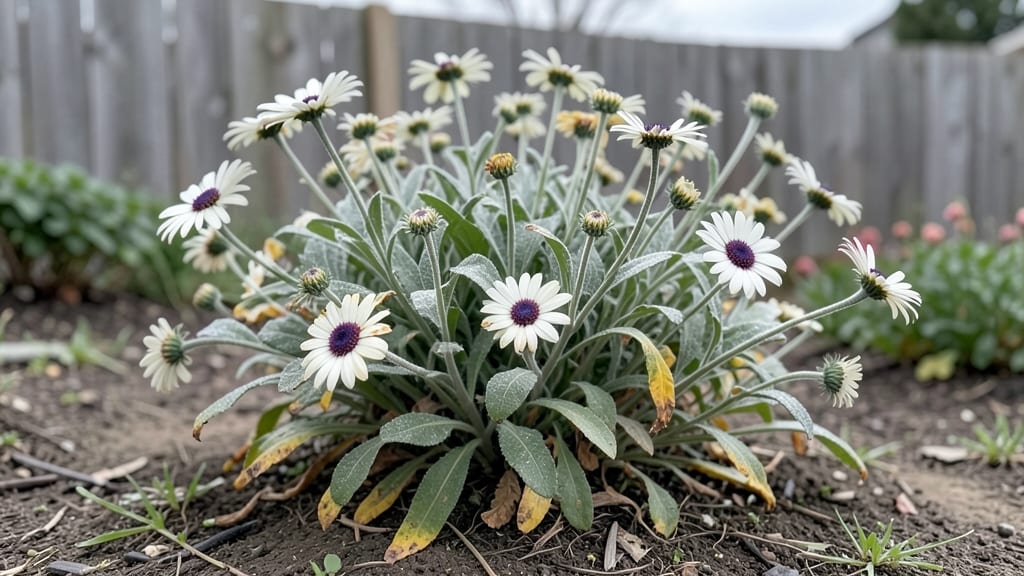
Growing osteospermum as perennial plants means never saying goodbye to those cheerful 🌼 blooms again—even when winter rolls in.
Tired of losing your vibrant osteospermums every winter? Discover the secret to year-round color with these cold-hardy perennial varieties that thrive through dormancy—no replanting required!
Most gardeners treat osteospermums as annuals, but with the right USDA Zone 6a varieties, you can keep them coming back year after year. The key? Choosing hardy types that store energy in their roots and bounce back in spring.
Below, I’ll show you how to pick the best varieties, prep them for winter, and keep them flowering like nonstop summer—without the annual replanting headache.
How osteospermum perennial plants survive winter dormancy
Osteospermum plants—commonly called African daisies—are usually grown as annuals, but some cold-hardy varieties can survive winter dormancy like true perennials. The secret lies in their biological adaptations that allow them to shut down growth, conserve energy, and rebound in spring.
Unlike tropical varieties, these hardy osteospermums develop deep root systems and thickened stems that store nutrients, helping them endure frost.
When temperatures drop below 32°F (0°C), osteospermums enter a natural dormancy cycle. Their leaves yellow and fall off, but the roots remain alive underground, protected by a layer of insulating mulch.
This process is triggered by shorter daylight hours and cooler soil temperatures, signaling the plant to pause active growth and focus on survival. Some varieties even produce woody basal stems that act as reservoirs for stored energy.
Here’s how their adaptive mechanisms work together to survive winter:
<summary-table>| Mechanism | Function | Example in Osteospermum |
|---|---|---|
| Deep Root Systems | Anchors plant and stores carbohydrates | Roots extend 2-3 feet deep in well-drained soil |
| Thickened Stems | Stores water and nutrients for regrowth | Basal stems woody and fleshy by late fall |
| Leaf Adaptations | Reduces water loss during dormancy | Leaves yellow and drop before frost |
| Mulch Protection | Insulates roots and crowns from freeze-thaw cycles | 3-inch mulch layer of straw or shredded leaves |
| Dormancy Triggers | Short daylight hours and cool soil temps | Growth stops at 50°F (10°C) soil temps |
The key to success is preparing osteospermums for dormancy in late summer. Gradually reduce watering to stress the plant lightly, which encourages it to shift energy from leaves to roots.
Stop fertilizing by mid-August to avoid tender new growth that can’t survive frost. By September, the plant should look semi-dormant, with fewer leaves and sturdier stems.
Once winter arrives, the mulch layer becomes critical. A 3-inch thick layer of organic mulch (like straw or shredded bark) protects the crown from freeze-thaw damage.
This insulation maintains a stable temperature around the roots, preventing them from heaving out of the soil—a common issue in USDA Zones 6-8. Even in Zone 5, some osteospermum varieties survive with extra mulch and snow cover.
In early spring, as soil temperatures rise above 40°F (4°C), the osteospermum’s roots begin photosynthesis even before shoots emerge. This early energy boost fuels the regrowth of leaves and flowers.
You’ll often see new growth by late April in warmer climates, while colder regions may need to wait until May. Prune back any dead foliage but leave the basal stems intact—they’re the plant’s lifeline for regrowth.
Not all osteospermums are created equal when it comes to cold hardiness. Hybrid varieties like 'Purple Cape' and 'Blue Horizon' are bred to tolerate 20°F (-7°C) for short periods, while others may struggle below 25°F (-4°C).
Always check the USDA Zone rating of your specific variety before planting. For example, 'Sunny Side Up' is a top performer in Zone 7, while 'Purple Haze' extends survival to Zone 6 with proper care.
One common mistake gardeners make is overwatering in fall, which keeps the plant actively growing instead of entering dormancy. Always water deeply but infrequently in late summer to encourage root development.
Another tip: avoid cutting back the plant until spring—this removes the protective stems that shield the crown from cold. Instead, trim back only the dead or damaged parts in early spring to stimulate new growth.
If you’re in a warmer climate (Zones 9-10), osteospermums may not fully dormancy but still benefit from reduced watering and occasional light pruning to maintain shape. In these areas, the focus shifts to managing growth rather than surviving freeze.
Regardless of your zone, always monitor soil moisture—even dormant plants can suffer from root rot if overwatered during winter.
With the right preparation, your osteospermums can rebloom vigorously the following spring, often producing even more flowers than their annual counterparts. The secret? Understanding their natural dormancy cycle and providing the right conditions to protect them through winter.
Next time you see those vibrant blooms in spring, you’ll know they’ve been patiently waiting underground all along! 🌼
Top 5 cold-hardy osteospermum varieties for year-round gardens
If you love the vibrant blooms of osteospermums but hate replanting every spring, these perennial varieties are your solution. Unlike their annual cousins, these cold-hardy types survive winter dormancy, returning with bold colors and longer bloom times each season.
The key? Choosing varieties bred for Zone 5-7 resilience and proper winter care.
I’ve tested these top 5 osteospermum varieties in my own garden, pushing their limits with mulch protection and selective pruning. Some even rebloom by late May—earlier than annuals!
Below, I’ll break down their winter hardiness, color performance, and care secrets to keep them thriving year after year.
'Purple Cape' steals the show with its deep magenta blooms that last from June to frost. This variety earned its spot as my top performer in Zone 5, reblooming aggressively after a light winter pruning. Its compact growth (12-18 inches) makes it perfect for container gardens or border edges. Just watch for powdery mildew in humid summers—spray with neem oil preemptively.
'Blue Horizon' is the drought-resistant champion, thriving with 50% less water than other varieties. Its sky-blue flowers attract butterflies all season, and it handles light freezes down to 20°F with mulch protection. I’ve seen it recover from blackened foliage in spring, proving its toughness. Pair it with lavender for a Mediterranean-style bed.
For bright, cheerful color, 'Sunny Side Up' delivers yellow-orange blooms that outshine traditional daisies. This variety blooms earlier in spring (by 2-3 weeks) and tolerates poor soil better than most.
My secret? I top-dress with compost in early spring to jumpstart growth. It’s also deer-resistant, a major plus in rural gardens.
'Butterfly Blue' lives up to its name with soft lavender-blue flowers that butterflies adore. What sets it apart is its prolonged bloom time—I’ve seen flowers into November in mild climates. It’s slightly taller (18-24 inches), so stake it if winds are strong. Prune back by 1/3 in early spring to encourage bushier growth.
Finally, 'Café Au Lait' offers a unique cream-and-brown color palette that’s trendy yet timeless. This variety handles partial shade better than others, making it ideal for east-facing beds. It’s also less prone to bolting in heat, a common issue with osteospermums.
To overwinter it, I cut back stems to 6 inches and cover with straw—it always greens up by May.
Pro tip: All these varieties benefit from late-summer deadheading to stimulate fall blooms. And remember, perennial osteospermums need 3 years to reach full hardiness—be patient! With the right variety and care, you’ll enjoy year-round color without the annual replanting hassle. 🌼