
Flowers
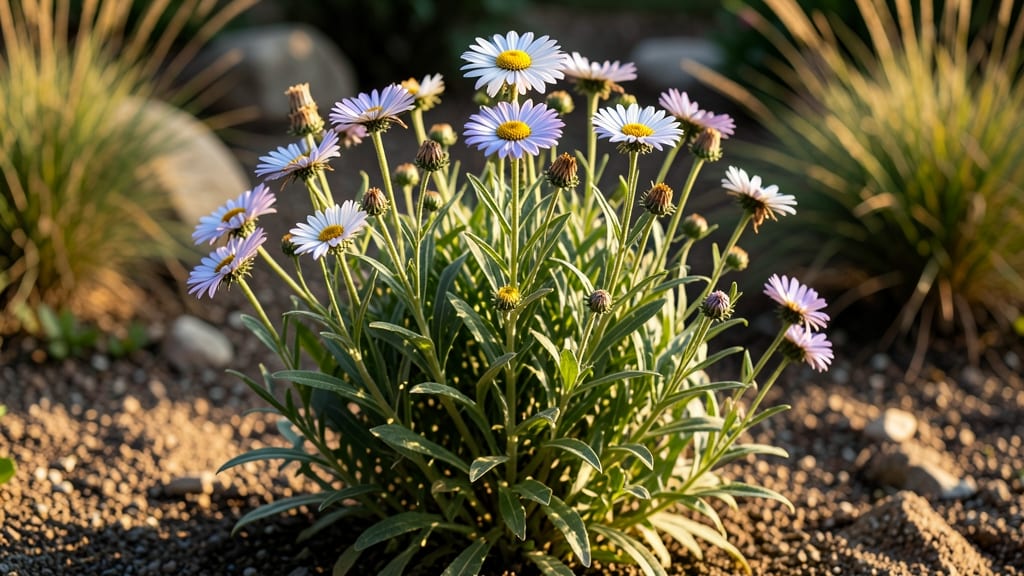
Osteospermum thrives as a perennial only in USDA hardiness zones 10-11, where it naturally returns each year with consistent care. Outside these zones, it behaves as an annual or requires overwintering strategies to survive colder seasons.
This distinction comes down to temperature tolerance—osteospermum's native South African roots mean it craves warmth and struggles when nighttime temps drop below 30°F. 🌱 In zones 10-11, plants develop deep root systems that protect them through mild winters, while colder regions force gardeners to either replant annually or take cuttings indoors.
The key difference lies in whether your climate allows the plant to complete its natural dormancy cycle without freezing damage.
For those in marginal zones (like 9 or 8), the solution often involves cutting back plants before frost and potting them in bright indoor spaces until spring. This method lets you preserve your favorite varieties year after year while adapting to local climate limitations.
The trade-off? Indoor-grown osteospermum may produce fewer blooms until fully acclimated to outdoor conditions.
💡 In This Article
- Osteospermum’s Perennial Nature by Climate Zone
- How to Overwinter Osteospermum in Cold Climates
Osteospermum’s perennial nature by climate zone
Osteospermum's perennial status hinges on its native South African origins, where it evolved to thrive in warm climates with minimal frost. In USDA zones 10-11, the plant naturally persists year-round because winter temperatures rarely drop below 40°F, allowing it to maintain active growth or enter mild dormancy.
The key difference lies in its root system—osteospermum develops a robust, fibrous root network that stores nutrients and moisture, enabling it to rebound quickly after seasonal slowdowns.
In contrast, zones 9 and below face nighttime temperatures that frequently dip into the 20s°F range, which triggers cellular damage in osteospermum's tender stems and leaves. The plant's water content freezes and expands, rupturing cell walls in a process called cryoinjury.
This explains why osteospermum behaves as an annual in these regions—it simply cannot survive the winter stress. The transition point occurs around 30°F, where some varieties might endure brief exposures but typically suffer long-term damage.
What makes this particularly interesting is how osteospermum's flowering cycle adapts. In perennial zones, plants often bloom continuously or in staggered waves throughout the year, while annual versions concentrate their energy into a single 6-8 week flowering period before setting seed.
This difference stems from the plant's evolutionary priority: in warm climates, survival means sustained reproduction, whereas in colder areas, rapid seed production becomes the primary survival strategy.
For gardeners in marginal zones (like 9), the solution often involves strategic pruning. Cutting back plants to 4-6 inches above the ground before the first frost reduces the plant's exposure to cold air, allowing any remaining basal growth to potentially survive.
This technique works because the plant's meristematic tissue—where new growth originates—often remains protected near the soil line, though success depends heavily on local microclimates and soil insulation.
Another fascinating aspect is how osteospermum's leaf structure changes with climate. Plants in perennial zones develop thicker, waxier leaves that reduce water loss during dry periods, while annual varieties often have thinner leaves optimized for rapid growth.
This adaptation explains why osteospermum in colder climates may appear more delicate—it's not just about temperature tolerance but the entire physiological package the plant brings to your garden.
Consider this comparison: In zone 11, you might see osteospermum reaching 18-24 inches in height with continuous blooms, while in zone 8, the same variety might only reach 12-15 inches and flower for 4-6 weeks before requiring replanting.
The plant's growth habit fundamentally shifts based on whether it's investing in perennial survival or annual reproduction strategies.