
Flowers
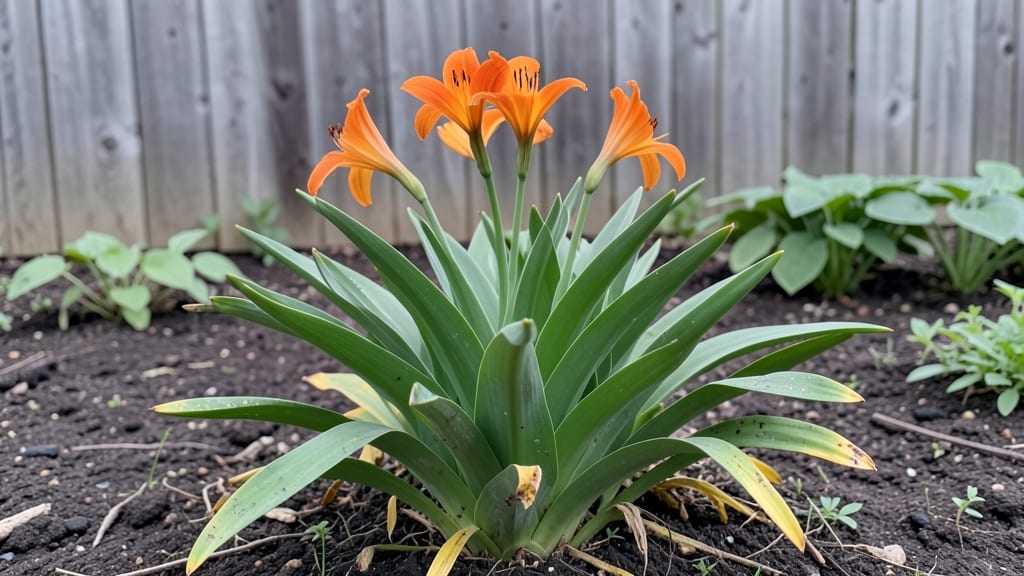
Whether oriental lilies are annual or perennial depends on your USDA zone: they're true perennials in zones 3-9, returning yearly with proper care, though they may fade after 3-5 seasons. In cooler zones, they act like hardy annuals unless winter protection is provided.
Oriental lilies thrive as perennials because their underground rhizomes store nutrients for regrowth each spring. 🌱 However, without proper winter protection—like thick mulch or straw—they won’t survive freezing temperatures, forcing them to behave like annuals.
The key difference lies in their root system: while true annuals die completely after flowering, oriental lilies can regenerate if their bulbs stay intact and protected.
In zones 3-9, these flowers establish deep root networks that let them rebloom annually, though their vigor naturally declines after 3-5 years due to bulb exhaustion. This lifespan makes them semi-perennials—more durable than annuals but not as long-lived as peonies or daylilies.
The solution? Regular division every 3-4 years to refresh the plants and prevent overcrowding.
💡 In This Article
- Why Oriental Lilies Die After 3-5 Years
- Best Practices for Extending Oriental Lily Perennials
Why oriental lilies die after 3-5 years
Here's what's actually happening underground: oriental lilies rely on their rhizomes—thick, horizontal root stems—to store energy for regrowth. Over time, these rhizomes become depleted as they continuously produce flowers and foliage without replenishment.
Each year, the plant diverts stored nutrients to blooms and leaves, leaving fewer reserves for the bulb itself. This depletion accelerates in poor soil conditions, where nutrients like phosphorus and potassium are scarce.
The key factor is how these rhizomes function like biological batteries. A healthy oriental lily bulb can weigh 1-2 ounces when mature, but after 3-5 years of flowering, that weight can drop by 40-60% as energy reserves are exhausted.
What most people don't realize is that even when the plant looks healthy above ground, the rhizome may be hollow inside—like a dried-out battery casing—making it incapable of supporting new growth. 🔥
Disease buildup in the soil plays a major role too. Fungal pathogens like Fusarium and Botrytis thrive in the dense, crowded rhizomes that develop over time. These pathogens feed on decaying organic matter and weak plant tissues, creating a vicious cycle where each year's growth is compromised.
The soil around oriental lilies often becomes a breeding ground for these microbes because the plants are heavy feeders that deplete soil fertility while leaving behind decaying foliage.
This works because oriental lilies are what botanists call "short-lived perennials"—they have the root structure of perennials but lack the longevity of true perennials like peonies or hostas. Unlike annuals that die completely after flowering, these lilies can technically regrow from their rhizomes, but only if those rhizomes remain vigorous.
The science behind this involves the plant's energy budget: each year, about 30-40% of the rhizome's stored energy goes toward flowering, leaving insufficient reserves for long-term survival.
Consider these biological realities when planning your garden:
- Rhizome division: Splitting clumps every 3-4 years restores vigor by redistributing energy reserves among new plants
- Soil health: Amending with compost and bone meal replenishes phosphorus critical for rhizome development
- Disease prevention: Rotating planting locations every 5 years breaks fungal cycles in the soil
The comparison to true annuals is revealing: while marigolds complete their entire life cycle in one season, oriental lilies attempt to persist through multiple cycles—but only if given proper care.
Without intervention, their rhizomes become exhausted within 3-5 years, similar to how a car battery loses capacity after repeated deep discharges. The difference is that with a lily, you can often revive it through division, whereas a dead annual is gone forever. ✨
What most gardeners miss is that the decline often starts subtly—fewer blooms, smaller flowers, or yellowing leaves—before the plant finally collapses. This gradual deterioration is your signal to act before the rhizomes become completely depleted.
The good news? With proper division and soil care, you can effectively "reboot" oriental lilies and extend their lifespan indefinitely.