
Flowers
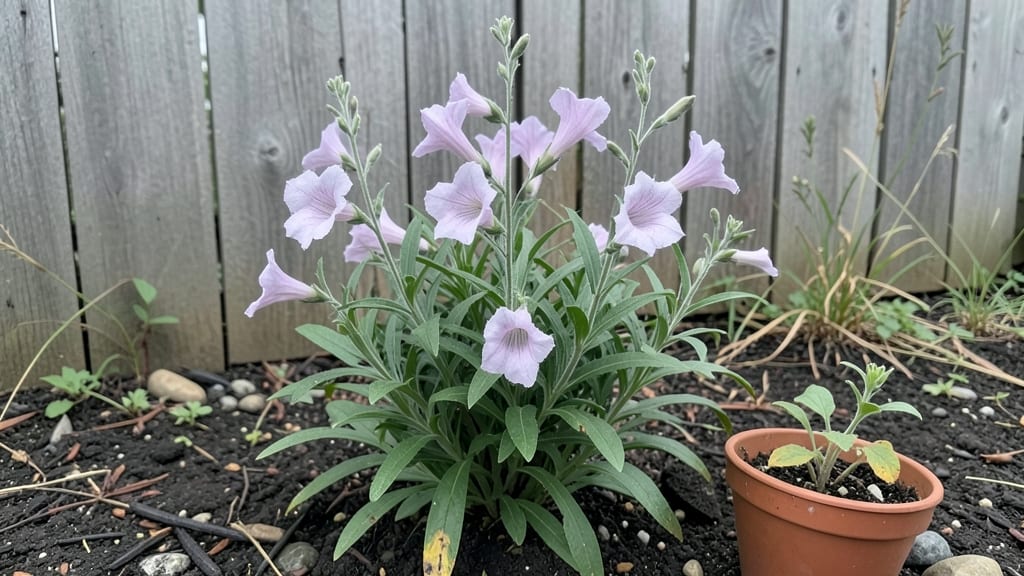
Lisianthus behaves as a tender perennial in warm climates but is typically treated as an annual in colder regions due to frost sensitivity, surviving just one growing season outdoors in zones below 8.
Deciding whether lisianthus is an annual or perennial depends entirely on your climate zone.
In frost-free areas like zones 9-11, it thrives year-round, returning each spring with renewed blooms. 💫 However, gardeners in cooler zones (below 8) must replant yearly because even light freezes can damage its delicate roots and foliage.
The key difference lies in its ability to regenerate from the same root system—something that simply doesn't happen in colder winters.
For those in marginal zones (8-9), overwintering with mulch or container growing can sometimes extend its lifespan, but most gardeners still treat it as an annual to avoid disappointment.
The plant's stunning blooms make it worth the annual effort, especially when you consider its adaptability to different soil types and light conditions.
💡 In This Article
- Lisianthus Cold-Hardiness and Zone Requirements
- Growing Lisianthus as an Annual vs Perennial
Lisianthus cold-hardiness and zone requirements
Lisianthus's frost sensitivity stems from its tropical origins, where temperatures rarely drop below 50°F. The plant's delicate foliage and stems begin to suffer damage when exposed to 32°F or lower, with cell walls rupturing and internal fluids freezing.
This is why gardeners in zones 8-11 can enjoy it as a perennial—its roots can survive mild winters with proper protection, while foliage may die back only to regrow in spring.
The critical threshold occurs at 28°F, where even brief exposure can kill the plant's above-ground growth and severely damage root systems. In zones 7 and below, the ground itself may freeze, preventing any root regeneration.
What makes lisianthus particularly vulnerable is its shallow root system, which lacks the insulating depth of hardier perennials like daylilies or coneflowers.
Here's what happens at the cellular level: frost causes ice crystals to form in plant tissues, piercing cell membranes and disrupting nutrient flow. The plant's natural antifreeze proteins (like those in winter wheat) aren't sufficient to protect against prolonged cold.
This is why you'll often see lisianthus recommended only for summer containers in colder climates—it simply can't withstand winter's harshness.
In warm climates (zones 9-11), lisianthus behaves like a true perennial because winter temperatures rarely drop below 40°F for extended periods. The plant's growth cycle naturally slows during cooler months, allowing it to conserve energy.
Even in zone 8, with careful mulching (using 4-6 inches of straw or wood chips), the roots can survive winters that dip to 15°F for short durations.
What most gardeners don't realize is that even a single hard freeze (25°F or lower) can set back lisianthus's growth by 4-6 weeks, as the plant must regenerate new foliage from damaged roots.
This delayed recovery explains why it's often treated as an annual in marginal zones—because the energy required to recover from winter damage could have been used for continuous blooming.
The plant's stunning blooms make it worth the annual effort, especially when you consider its adaptability to different soil types and light conditions. In warmer zones, lisianthus can actually bloom continuously if given consistent moisture and partial shade during peak summer heat.
For those in zones 8-9, overwintering with heavy mulch can sometimes extend its lifespan, but most gardeners still treat it as an annual to avoid disappointment. The plant's stunning blooms make it worth the annual effort, especially when you consider its adaptability to different soil types and light conditions. 🌸