
Flowers
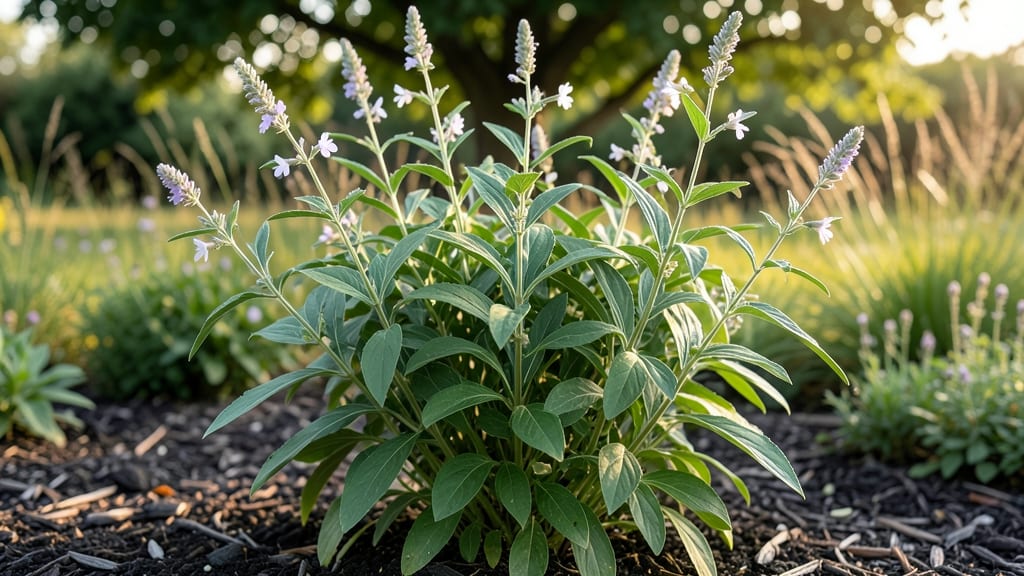
Determining whether lemon verbena (Aloysia citrodora) is annual or perennial depends on your climate: it thrives as a perennial in frost-free zones (USDA 9-11) but acts like an annual in colder regions, dying back to the ground each winter only to regrow from its roots when temperatures rise. Freezing temperatures kill the above-ground growth, but the root system survives to restart growth in spring.
This dual behavior makes lemon verbena a tender perennial—it's hardy enough to persist through multiple growing seasons in warm climates but lacks the cold tolerance of true perennials like lavender or rosemary. 🌱 The key difference lies in its root system: while annuals die completely, lemon verbena's roots remain dormant underground, ready to sprout new growth when conditions improve.
In colder zones, gardeners often treat it as an annual to avoid winter die-off, though with proper protection (like mulch or indoor potting), you can coax it back year after year.
What's fascinating is how this plant mirrors the survival strategies of other Mediterranean herbs. Just like rosemary, lemon verbena prioritizes root preservation over above-ground growth when temperatures drop. The trade-off?
In regions with harsh winters, you'll need to take extra steps—like digging up pots or providing heavy mulch—to help it survive until spring. This adaptability is why many gardeners fall in love with lemon verbena: it rewards patience with fragrant, lemon-scented foliage that comes back stronger each season.
💡 In This Article
- Why Lemon Verbena Dies Back Like an Annual
- How to Overwinter Lemon Verbena for Year-Round Growth
Why lemon verbena dies back like an annual
The biological mechanism behind lemon verbena's dieback is rooted in its Mediterranean heritage. This plant evolved in regions where winter temperatures rarely drop below 20°F, making it highly sensitive to frost.
When exposed to freezing conditions, its above-ground growth undergoes rapid cellular dehydration—a survival strategy that halts metabolic activity to prevent frost damage. Unlike true annuals, which die completely, lemon verbena's roots remain viable, packed with stored carbohydrates that fuel regrowth when temperatures rise above 50°F in spring.
This cold-triggered dormancy works through a process called "endodormancy," where the plant's growth hormones (like auxins) are suppressed until environmental cues (warmth, moisture) signal safety.
The root system, which can extend 12-18 inches deep, acts as a biological battery, storing enough energy to regenerate foliage within 3-4 weeks of thawing. 🌱 Compare this to rosemary, which shares similar cold sensitivity but has a more robust root system that can survive slightly colder winters (15°F with protection).
What classifies lemon verbena as a "tender perennial" rather than a true annual is this root persistence. True annuals complete their entire lifecycle in one season, while lemon verbena's roots can survive multiple years if protected from freezing.
The key distinction lies in its ability to regenerate from below ground—something annuals like basil or marigolds cannot do. This makes it behave like an annual in cold climates but function as a perennial where winters are mild.
Interestingly, lemon verbena's dieback timing is influenced by photoperiod too. As daylight shortens in fall, the plant begins preparing for dormancy, but the final trigger is always temperature.
This dual cue system explains why some gardeners in marginal zones (like USDA 8) see partial survival—roots may persist, but cold snaps can still kill back growth. The plant's survival strategy mirrors that of other frost-sensitive perennials like geraniums or fuchsias, which also rely on root reserves for regeneration.
Here's what happens at the cellular level: Frost causes ice crystals to form in the plant's vascular system, rupturing cell walls. The plant responds by producing antifreeze proteins (similar to those in winter wheat) that lower the freezing point of its cellular fluids.
However, these proteins aren't sufficient for temperatures below 15°F, which is why lemon verbena's above-ground parts always die in harsh winters. The roots, being deeper and insulated by soil, remain protected until spring's warmth reactivates their growth hormones.