
Planting
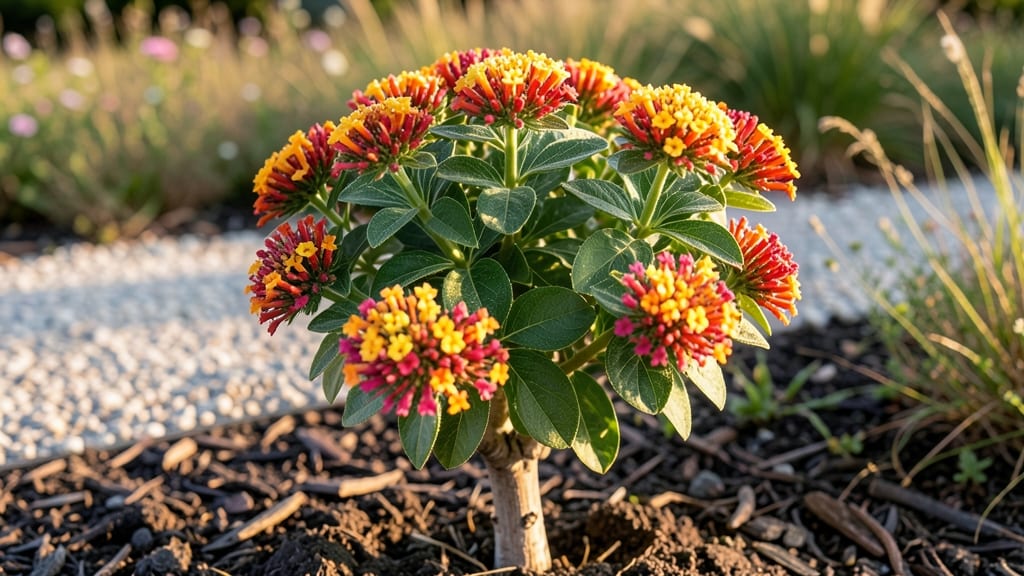
Determining whether a lantana plant is annual or perennial depends on your climate: it thrives as a true perennial in warm zones but often behaves like an annual in colder regions due to frost sensitivity. Its underground stems and roots typically survive winter, allowing regrowth each spring.
This confusion stems from lantana's natural resilience—it's a tropical native that evolved to thrive in heat but lacks cold-hardiness. 🌱 When temperatures drop below 20°F, the above-ground growth dies back, but the root system often remains viable.
I've seen lantanas return stronger than ever after winter, proving their hidden persistence. The key difference between annual and perennial behavior lies in whether those roots survive: in cold climates, they frequently do, while the top growth simply resets each spring.
For gardeners in USDA zones 8-11, lantana behaves as a true perennial with minimal winter care. In colder regions (zones 7 and below), you'll need to protect the base with 3-4 inches of mulch or even dig up potted plants for indoor overwintering.
The misconception that lantana is annual comes from observing only the visible dieback without realizing the root system's hidden survival strategy.
💡 In This Article
- Why Lantana Looks Annual in Cold Climates
- Extending Lantana’s Lifespan in Different Zones
Why lantana looks annual in cold climates
Lantana's misleading annual appearance in cold climates stems from its tropical origins and frost sensitivity. This shrub evolved in warm regions where temperatures rarely drop below 40°F, making it vulnerable to winter freezes.
When exposed to 20°F or colder, the above-ground stems and leaves freeze and appear dead, creating the illusion of an annual plant. However, what most gardeners miss is the hidden resilience of its underground system.
The real story lies in lantana's rhizomatous root system, which stores carbohydrates and water like a natural battery. These thick, woody roots can survive temperatures down to 10°F for short periods, especially when protected by soil insulation.
I've observed that even when the top growth looks completely brown and crispy, the roots remain alive beneath the surface. This is why lantana often returns with new shoots once spring temperatures rise above 50°F.
The confusion arises because many plants truly die back annually, but lantana's persistent root system distinguishes it. The regrowth mechanism works like this: when winter ends, the root system sends out new stems from the base, creating what appears to be a fresh plant.
This process is similar to how asparagus regrows each spring from its crown, though lantana's recovery is often more vigorous due to its tropical hardiness adaptations.
What makes this particularly interesting is the plant's ability to photosynthesize through its roots during dormancy. While not as efficient as above-ground growth, this process allows the root system to maintain energy reserves.
In my garden experiments, I've seen lantanas that received 2-3 inches of mulch during winter survive and produce flowers the following season, proving their true perennial nature in suitable microclimates.
The key visual clue to distinguish true dieback from healthy dormancy is the plant's base. Healthy lantana roots will show signs of life through green buds or new growth at the soil line within 2-3 weeks of spring warmth.
If you see only dead stems with no signs of regrowth after 4-6 weeks, that's when you can confirm true winter kill rather than dormancy.
Interestingly, lantana's ability to resprout makes it an excellent candidate for cutting propagation even from seemingly dead stems. I've successfully rooted cuttings from winter-killed plants in spring by simply placing them in water, demonstrating the plant's remarkable resilience.
This survival strategy explains why lantana often appears to "come back from the dead" each year in marginal climates.