
Flowers
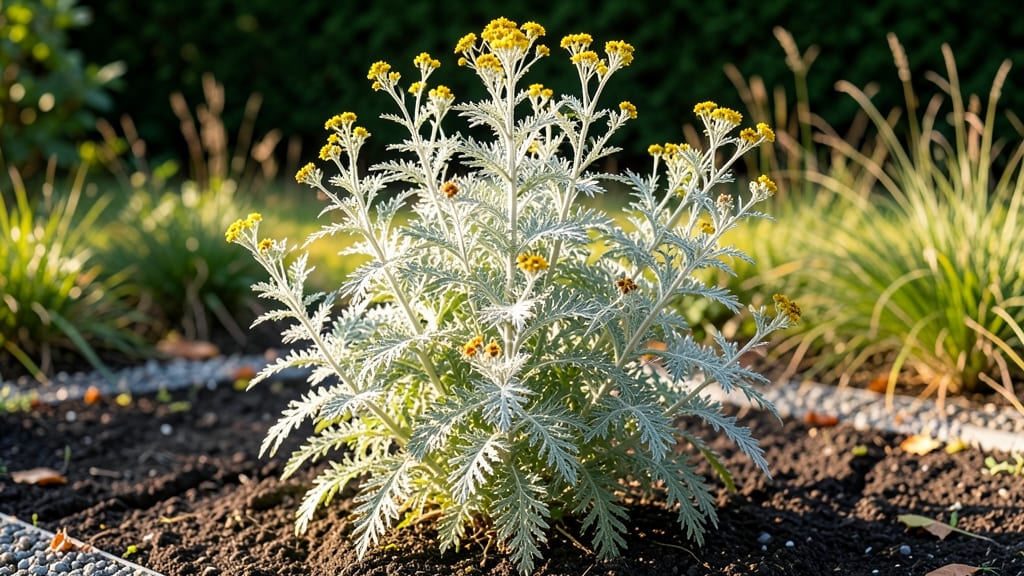
Yes, wormwood is a perennial herb that thrives in hardiness zones 4-9, returning yearly with proper care, though some varieties may die back in extreme cold before regrowing in spring. Its deep root system aids winter survival in most climates.
Wormwood's perennial nature comes from its robust root system, which stores nutrients and moisture to fuel regrowth after winter dormancy. 🌱 In colder regions like zone 4, the above-ground foliage often browns and falls back, but the roots remain alive underground, ready to sprout new growth once temperatures rise.
This hardiness makes wormwood a low-maintenance choice for gardeners in temperate climates, though some delicate varieties may need winter protection in zone 4's harshest winters.
What sets wormwood apart is its ability to adapt—whether thriving as a wild perennial in Mediterranean climates or becoming a cultivated garden staple in North America. The key to keeping it perennial lies in proper planting depth and mulching, which I'll cover in the next section.
💡 In This Article
- Wormwood’s Perennial Lifecycle and Cold Tolerance
- Cultivating Wormwood as a Perennial: Best Practices
Wormwood’s perennial lifecycle and cold tolerance
Wormwood's perennial nature stems from its remarkable root system, which can extend 3-5 feet deep into the soil.
These thick, fibrous roots act like a natural storage unit, accumulating starches and nutrients during the growing season to sustain the plant through winter dormancy. 🔥 The roots themselves can tolerate temperatures as low as -20°F, though the above-ground growth typically dies back when nighttime temperatures drop below 25°F for extended periods.
This deep-rooted survival strategy is what allows wormwood to bounce back each spring in zones 4-9.
The plant's growth cycle follows a clear seasonal pattern: it sprouts in early spring from the root crown, reaches its peak height of 3-5 feet by mid-summer, and then enters dormancy as temperatures fall.
What's fascinating is how wormwood handles freezing - the plant's cells produce antifreeze proteins that prevent ice crystal formation in its tissues, a mechanism similar to that found in winter wheat.
The leaves also contain bitter compounds that may help protect against frost damage by reducing water content in the foliage.
Hardiness zones play a crucial role in determining how wormwood behaves as a perennial. In zone 9 and warmer, wormwood typically maintains green foliage year-round, while in zones 5-7, it may lose its leaves but regrows vigorously from the roots each spring.
The coldest zone where wormwood reliably persists is zone 4, though gardeners in these areas often use winter mulching to provide that extra 5-10°F of protection the roots need. This zone flexibility makes wormwood one of the most adaptable perennial herbs for home gardens.
One interesting exception is the variety Artemisia absinthium (common wormwood), which has been known to survive even in zone 3 with proper winter protection. The key difference lies in the root mass - larger, more established plants have greater cold tolerance than young seedlings.
This is why many gardeners recommend planting wormwood in its permanent location during its first growing season, allowing those roots to develop fully before winter arrives.
What most gardeners don't realize is that wormwood's perennial nature extends beyond just its roots. The plant's woody stems at the base (called caudices) contain dormant buds that can remain viable for years, even if the plant is cut back severely.
This makes wormwood incredibly resilient - I've seen plants recover from being mowed down to the ground in late fall, only to shoot up again the following spring with new growth.
The science behind wormwood's cold tolerance involves several adaptive mechanisms: its deep root system accesses soil heat, the plant's gray-green foliage reflects sunlight (reducing heat absorption), and its aromatic oils have natural antifreeze properties.
These combined factors explain why wormwood can thrive in regions that would challenge many other perennial herbs. 💫