
Companion Plants
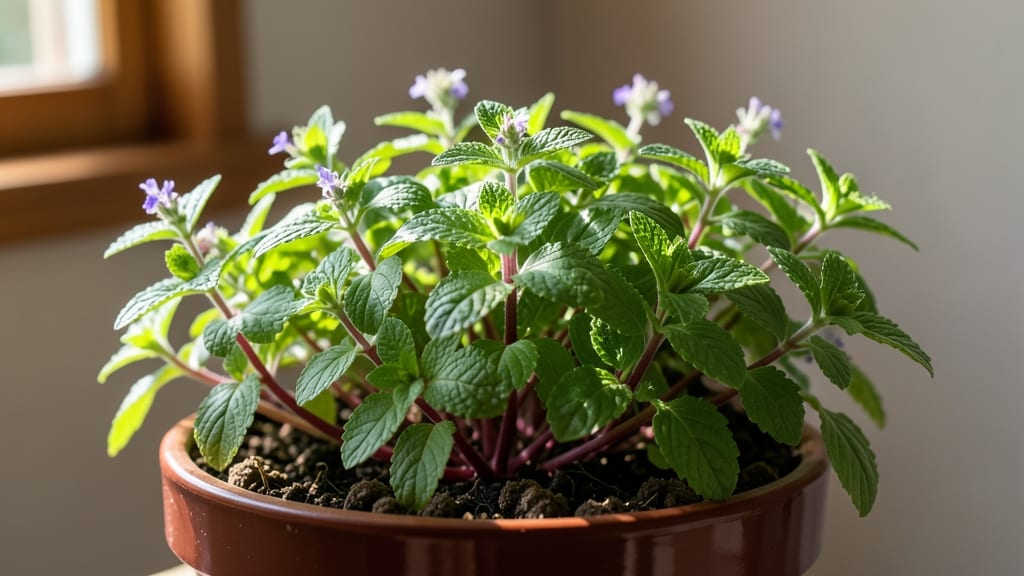
Sweet mint is a perennial plant that spreads aggressively through underground rhizomes, allowing it to regrow each year from the same root system even after cutting back or freezing temperatures. Its hardy nature makes it a persistent garden staple, though it often requires containment to prevent overgrowth.
Sweet mint's perennial nature stems from its rhizome-based growth system, which stores nutrients underground and sends up new shoots each spring.
Unlike annual varieties that die back completely, sweet mint's roots remain dormant in winter but revive when temperatures rise—making it a reliable choice for gardeners who want long-term flavor without replanting. 🌱 This hardiness comes with trade-offs, though: its vigorous spread means it often outcompetes neighboring plants if left unchecked.
Gardeners commonly use physical barriers or container planting to manage its aggressive growth while still enjoying its perennial benefits. Regular division every 2-3 years also helps control spread while maintaining plant health. The key is balancing its persistence with proactive management techniques.
💡 In This Article
- Sweet Mint’s Rhizome System Explained
- Managing Sweet Mint as a Perennial in Gardens
Sweet mint’s rhizome system explained
Sweet mint’s perennial nature comes from its specialized rhizome system, which acts like a hidden underground network. These horizontal, creeping roots grow just below the soil surface (typically 2-4 inches deep) and store carbohydrates—like starches and sugars—that fuel regrowth each spring.
Unlike annual plants that die back completely, sweet mint’s rhizomes remain dormant but viable through winter, ready to sprout new shoots when temperatures rise above 50°F.
The rhizomes spread aggressively because they produce new growth nodes every 6-12 inches, creating a dense mat of roots. This horizontal expansion is what allows sweet mint to recover quickly after mowing or frost damage.
For comparison, annual mint varieties rely on seeds or shallow roots that don’t survive harsh winters, while sweet mint’s rhizomes can endure -20°F temperatures with proper mulching. The trade-off? This persistence makes containment essential in gardens.
What makes sweet mint’s rhizomes unique is their ability to regenerate entire plants from even small fragments. If you accidentally leave a rhizome piece behind during transplanting, it can grow into a full plant within weeks.
This is why gardeners often use root barriers (buried plastic or metal edges) to prevent spread—without them, a single plant can expand 10-12 feet in diameter over a growing season.
Seasonal changes trigger the rhizomes’ activity. In spring, rising temperatures stimulate shoot production, while summer heat encourages rapid horizontal growth. As autumn approaches, the plant shifts energy back into the rhizomes, thickening them for winter storage.
This cycle repeats annually, ensuring sweet mint’s perennial status—though its vigor means it often outcompetes slower-growing perennials like thyme or oregano.
One fascinating detail is how sweet mint’s rhizomes adapt to soil conditions. In nutrient-poor soil, they grow deeper to access moisture, while in rich garden beds, they spread wider.
This adaptability is why sweet mint thrives in USDA zones 3-11, from cold northern climates to hot southern regions—making it one of the most resilient herbs for gardeners.
For those curious about the science, sweet mint’s rhizomes contain higher concentrations of essential oils (like menthol) than its aerial parts, which is why the leaves often taste more intense after a cold snap. The rhizomes’ ability to store these compounds contributes to their survival strategy during dormancy.