
Flowers
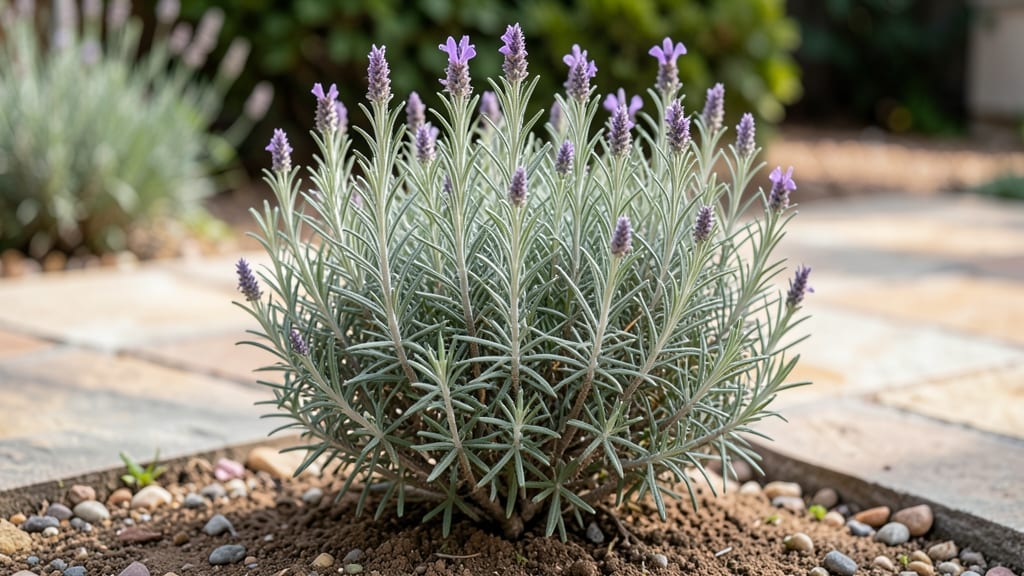
Rosemary is a perennial in warm climates like USDA Zones 8-10, where it thrives year-round, but dies back in colder zones (below 15°F) unless protected or grown as an annual. Its hardiness depends on winter temperatures and soil conditions.
Rosemary's perennial status depends entirely on where you live. 🌿 Native to the Mediterranean, this hardy herb evolved to handle mild winters but struggles when temperatures drop below 15°F. In colder regions, it often behaves more like an annual unless you take protective measures.
The key is understanding your local frost patterns—even a single hard freeze can kill established plants in colder zones.
What makes rosemary so fascinating is how its growth habits shift with climate. In warm zones, it grows aggressively year-round, sometimes even flowering multiple times. But in cooler areas, it may go dormant or die back completely, only to regrow from the roots in spring.
This adaptability is why gardeners in colder climates often treat it as a semi-perennial or annual, depending on winter conditions.
💡 In This Article
- Rosemary’s Perennial Hardiness by USDA Cold Zone
- Year-Round Rosemary Care in Cold Climates
Rosemary’s perennial hardiness by USDA cold Zone
Rosemary's perennial nature stems from its Mediterranean heritage, where it evolved to thrive in mild winters with temperatures rarely dropping below 40°F.
The plant’s natural cold tolerance threshold sits at around 15°F—below this, cellular damage occurs as ice crystals form in the plant’s vascular system, disrupting water transport and nutrient flow.
This explains why rosemary flourishes in USDA Zones 8-10, where winter lows typically stay above 10°F, allowing it to maintain continuous growth year-round.
The science behind this involves rosemary’s woody stems and evergreen foliage, which store moisture and nutrients to sustain the plant through seasonal changes.
However, in colder zones (like Zones 5-7), frost triggers a survival response: the leaves may blacken or drop, but the root system often remains viable if protected. 🌱 This explains why many gardeners in colder climates see rosemary "die back" in winter only to regrow in spring—a classic sign of semi-perennial behavior rather than true annuality.
What most people overlook is how soil composition amplifies cold damage. Sandy, well-draining soils (ideal for rosemary) freeze faster than heavier clay soils, accelerating root damage.
In contrast, mulching with 4-6 inches of organic matter (like straw or wood chips) can raise soil temperatures by 5-10°F, creating a microclimate that extends the plant’s survival range. This is why rosemary often thrives in containers—pots insulate roots better than open ground.
Cold-resistant cultivars like 'Arp' or 'Hill Hardy' push these limits further, with some surviving brief dips to 5°F if properly mulched. These varieties have thicker cuticles on their leaves, reducing water loss during winter dormancy.
For comparison, a standard rosemary plant in Zone 6 without protection will likely succumb to winterkill, while the same plant in a pot moved to a garage could survive indefinitely.
Here’s the botanical kicker: rosemary’s perennial status isn’t binary—it’s a spectrum. In Zone 8, it’s a true perennial; in Zone 6, it’s semi-perennial; and in Zone 4, it’s effectively annual unless you take aggressive protective measures.
The plant’s ability to regenerate from cuttings or roots in spring is what keeps it in the perennial conversation, even in colder climates.
Consider this: a single rosemary plant in your garden might live for 10+ years in Zone 9 but only 2-3 years in Zone 5 without winter care. The difference lies in how well you mimic its Mediterranean home environment—whether through microclimates, containers, or cold frames. 🌿
For gardeners in transitional zones (like Zone 7), the key is monitoring frost dates. Planting rosemary near south-facing walls or using row covers can push its cold tolerance by 3-5°F, making the difference between winter survival and failure.
This is why many urban gardeners in these zones grow rosemary in large containers—they can move it indoors during extreme cold snaps.