
Flowers
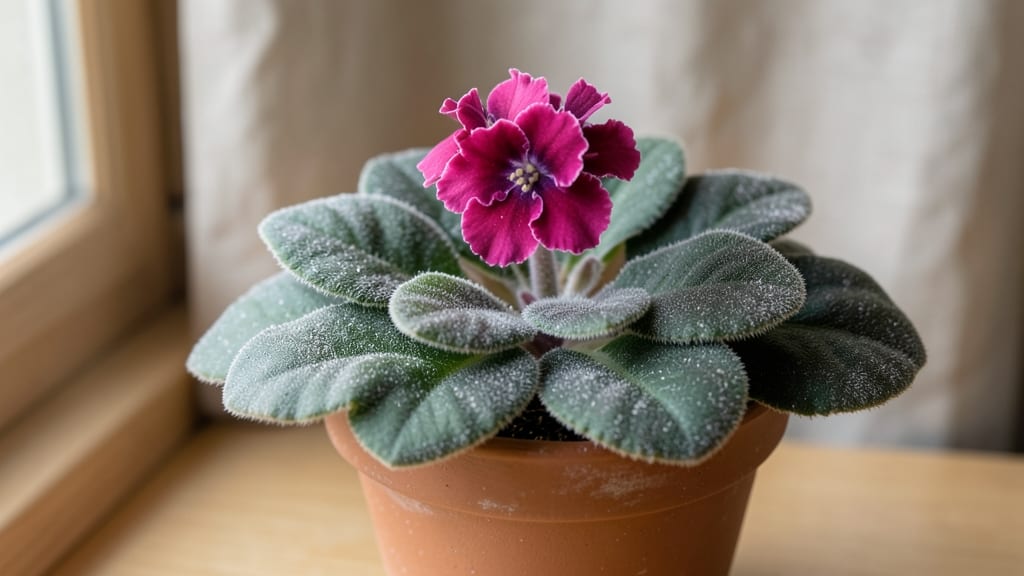
African violets act as perennials in their tropical native climates but are typically treated as annuals or houseplants when grown indoors or in cooler regions. With proper warmth, indirect light, and consistent care, their leaves remain vibrant all year—unlike true annuals that die after one growing season.
African violets thrive as perennials in their natural tropical habitats because they evolved to handle year-round warmth and humidity. 🌿 When grown indoors or in temperate climates, they mimic perennial behavior by maintaining their lush foliage if provided with stable conditions—think 65-75°F temperatures and bright, indirect light.
The key difference from true annuals is their ability to regrow leaves continuously, provided they're not exposed to extreme cold or neglect.
This evergreen nature makes them perfect for indoor gardening, where their growth cycle can stretch indefinitely with the right care.
Unlike annuals that complete their lifecycle in one season, African violets reward patience with long-term beauty—just don't let them dry out or sit in direct sunlight, which can quickly turn their leaves yellow or crispy.
💡 In This Article
- Why African Violets Stay Green Year-Round
- Caring for African Violets as Perennials Indoors
Why African violets stay green year-round
African violets evolved in East Africa's tropical highlands, where temperatures hover around 60-75°F year-round and humidity stays consistently high. This environment allows them to grow as perennials—plants that live for multiple years—because their natural biology prioritizes continuous foliage production rather than seasonal dormancy.
Unlike true annuals (like marigolds), which complete their life cycle in one growing season, African violets have adapted to maintain their vibrant green leaves by storing energy efficiently in their compact rosette structure.
Their evergreen nature stems from a specialized metabolic process called C3 photosynthesis, which thrives in stable, warm conditions. This process enables them to photosynthesize efficiently even in moderate light, producing the chlorophyll that keeps their leaves lush.
In contrast, true perennials (like hostas) often enter dormancy in winter, while annuals focus all their energy on flowering and seed production before dying. African violets skip these energy-draining phases, instead channeling resources toward leaf and flower production year-round when given consistent warmth.
Light exposure plays a critical role in their perennial-like behavior. These plants require bright, indirect light (similar to what you'd find under a canopy of trees) to prevent leaf scorch from direct sun while still getting enough energy for growth.
Too little light causes leggy growth and pale leaves, while too much can bleach their foliage. The ideal spot mimics their native understory habitat—think east or north-facing windows or a few feet away from a south-facing window.
This light balance is why they can maintain their green appearance indoors for years, unlike annuals that wilt and die after one season.
Humidity is another key factor. African violets thrive in environments with 40-60% humidity, mimicking their tropical origins. Low humidity causes leaf edges to brown and crisp, a clear sign they're struggling.
In dry indoor air, placing the pot on a tray of pebbles with water (but not touching the soil) can boost humidity around the plant. This simple adjustment helps them retain moisture and stay green year-round, much like they would in their native climate.
Temperature fluctuations also impact their perennial growth. While they tolerate 55-80°F ranges, sudden drops below 50°F can shock the plant, causing leaf drop or stunted growth. This sensitivity explains why they're often treated as annuals outdoors in colder climates—they simply can't survive winter frosts.
Indoors, maintaining steady temperatures prevents stress and allows them to continue growing like perennials would in their natural habitat.
Consider this comparison: True annuals like zinnias complete their lifecycle in one season, producing seeds and dying. African violets, however, can produce new leaves and flowers continuously if given stable conditions—making them behave more like perennials.
Their ability to regenerate foliage stems from their compact growth habit and efficient energy storage in the stem and roots, allowing them to bounce back from minor setbacks like leggy growth or occasional pest issues.