
Shrubs
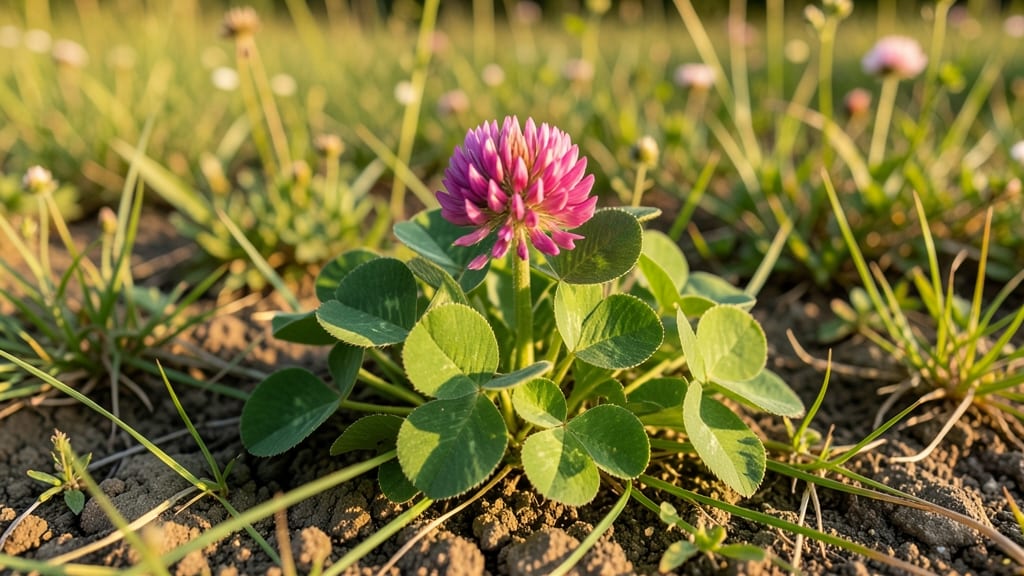
Red clover is indeed a perennial, meaning it dies back each winter but regrows from its robust root system every spring, often living for 3-5 years—or even longer—with proper care. This hardy plant's ability to return annually confirms its perennial classification.
What sets red clover apart is its deep taproot system, which stores nutrients and energy underground during dormancy. 🌱 Unlike true annuals that complete their life cycle in one season, red clover's roots remain viable through winter, allowing new shoots to emerge when temperatures rise.
This makes it a reliable choice for pollinator gardens and cover crops, as it self-seeds and persists year after year under the right conditions.
Many gardeners confuse its annual dieback with biennial behavior, but the key difference lies in the root system's longevity. While it may look dormant in winter, those roots hold the secret to its perennial nature—ready to burst back to life when spring arrives.
Proper soil health and mowing practices can further extend its lifespan, making it a low-maintenance yet high-value addition to any garden.
💡 In This Article
- How Red Clover’s Root System Determines Its Perennial Nature
- Cultivating Red Clover as a Long-Term Perennial in Gardens
How red clover’s root system determines its perennial nature
The secret to red clover's perennial status lies in its sophisticated root architecture, which combines a deep taproot (extending 3-5 feet) with a dense network of fibrous secondary roots. This dual system allows it to anchor deeply while also spreading horizontally to capture moisture and nutrients.
During dormancy, the taproot acts as an energy reservoir, storing carbohydrates produced through photosynthesis during the growing season. These stored reserves fuel the first flush of regrowth in spring, often within 2-3 weeks after frost lifts.
What makes this particularly fascinating is how red clover mimics biennial behavior in its first year. The plant focuses energy on developing its root system rather than flowering, storing nutrients that would otherwise go to seed production. This strategy ensures survival through winter's harsh conditions.
The key difference from true biennials? Red clover's roots remain viable for multiple years, unlike biennials that die after their second growing season. The fibrous roots also form symbiotic relationships with nitrogen-fixing bacteria, creating a self-sustaining nutrient cycle that further supports its perennial nature.
Temperature plays a crucial role in this cycle. Red clover enters dormancy when soil temperatures drop below 45°F, which triggers the plant to shut down aboveground growth while maintaining root activity.
This cold-hardiness extends its growing season in northern climates, where it can survive winters as cold as -20°F with proper snow cover. The root system's ability to regenerate from just 1-inch deep rhizome fragments means even partial dieback won't kill the plant—it simply waits for favorable conditions to rebound.
Visually, you can identify a healthy perennial red clover patch by its clover-shaped trifoliate leaves emerging in early spring, often before surrounding plants. These new leaves contain higher nitrogen content (up to 3.5% dry weight) compared to later growth, demonstrating the plant's efficient nutrient recycling system.
The deep purple flowers that appear in summer are another telltale sign of its perennial vigor, as they indicate successful energy storage during the previous season.
One common misconception is that red clover's annual dieback makes it an annual plant. However, the botanical classification relies on the root system's longevity rather than aboveground persistence. For comparison, consider dandelions—also perennials that die back annually but regrow from deep roots.
The difference is that red clover's root system is specifically adapted to store enough energy for multiple regrowth cycles, while dandelions rely more on prolific seed production for survival.
Understanding this root system explains why red clover thrives in low-maintenance gardens and agricultural cover crops. Its ability to regenerate from minimal root fragments means it can recover from mowing, grazing, or even light frost damage.
This resilience makes it an excellent choice for pollinator-friendly gardens and erosion control on slopes, where its deep roots prevent soil displacement while providing food for bees throughout the growing season.