
Flowers
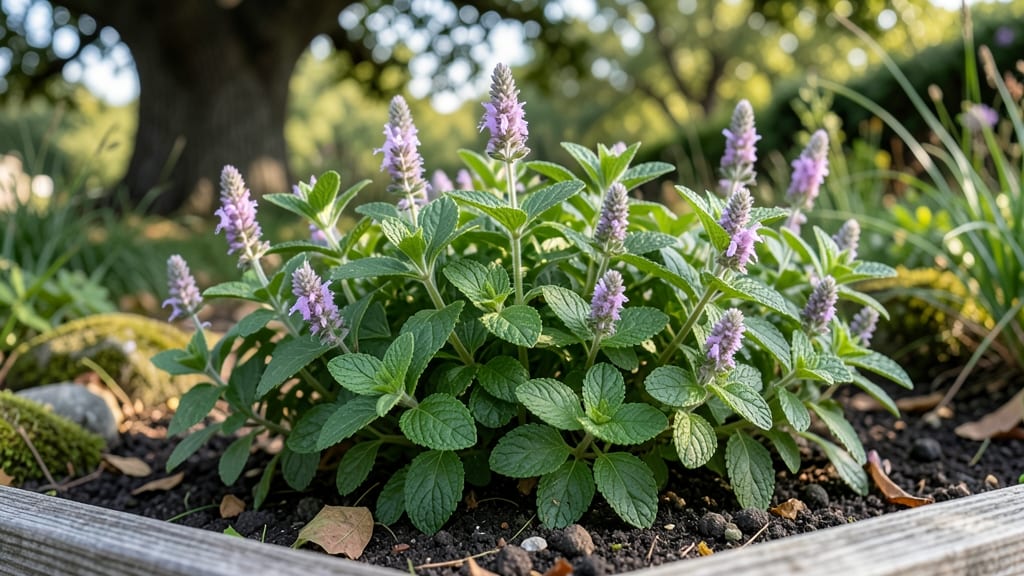
Peppermint is a perennial plant that thrives in cold climates, returning year after year with proper care and hardiness zones 3 through 9, though it can spread aggressively if not controlled.
Yes, peppermint absolutely qualifies as a perennial because it grows from underground rhizomes that survive winter's freeze-thaw cycles. 🌱 Unlike annuals that die back each year, peppermint's root system stores energy to regenerate leaves in spring—even in zones where temperatures dip below 0°F.
This hardiness makes it perfect for gardeners in cooler regions who want low-maintenance greenery that comes back stronger every season.
What sets peppermint apart is its aggressive growth habit. Without containment, a single plant can spread 3-4 feet annually through underground runners, quickly taking over garden beds. This makes strategic planting—like using containers or root barriers—essential for keeping it manageable while still enjoying its minty benefits.
💡 In This Article
- How Peppermint Survives Winter as a Cold-Hardy Perennial
- Managing Peppermint Growth in Gardens
How peppermint survives winter as a cold-hardy perennial
Peppermint's perennial nature stems from its specialized underground rhizome system, which acts like a natural survival kit. These thick, horizontal roots store carbohydrates and nutrients during dormancy, allowing the plant to regenerate above-ground growth when temperatures rise.
Unlike annual herbs that complete their entire life cycle in one season, peppermint's rhizomes can endure sub-zero temperatures down to -20°F in protected microclimates, thanks to their high sugar content that acts as an antifreeze.
The secret lies in peppermint's dormancy cycle, triggered by shorter daylight hours and cooler temperatures. As winter approaches, the plant slows metabolic processes, redirecting energy to its rhizomes. These roots remain alive but inactive, with cellular structures that resist freezing damage.
For comparison, basil—a popular annual herb—cannot survive freezing temperatures and must be replanted each spring, while peppermint's roots simply wait out the cold until conditions improve. 💫
Peppermint's cold tolerance extends beyond mere survival—it actually thrives in cooler climates, with optimal growth occurring in hardiness zones 3-9.
In these regions, the plant enters a semi-dormant state during winter but emerges with vigor in spring, often producing more robust growth than in warmer zones where it may become leggy.
This adaptability explains why peppermint flourishes in the Pacific Northwest or New England while struggling in the deep South's intense summer heat.
What makes this adaptation fascinating is the plant's photosynthetic efficiency during cooler months. Even at 50-60°F temperatures, peppermint can continue limited growth, unlike many perennials that remain completely dormant.
This ability to "cheat" dormancy gives it an edge in early spring, allowing it to outcompete slower-growing plants for sunlight and nutrients. The trade-off? This hardiness comes with aggressive spreading tendencies that gardeners must manage.
Botanically, peppermint belongs to the Lamiaceae family, sharing survival traits with other cold-hardy perennials like catnip and spearmint. However, peppermint's rhizomes are particularly robust, capable of regenerating even from small fragments left in the soil.
This resilience explains why a single peppermint plant can dominate a garden bed within 2-3 years if left unchecked. The same underground network that ensures winter survival becomes the mechanism for its summer takeover. 🌿
Understanding this growth pattern helps explain why peppermint often returns stronger each year, unlike many perennials that gradually decline. The rhizome system actually expands annually, creating a larger network that supports more vigorous top growth.
This biological advantage makes peppermint not just a survivor, but a thriving perennial in the right conditions—with the caveat that gardeners must implement control measures to prevent it from becoming an invasive force in their landscapes.