
Flowers
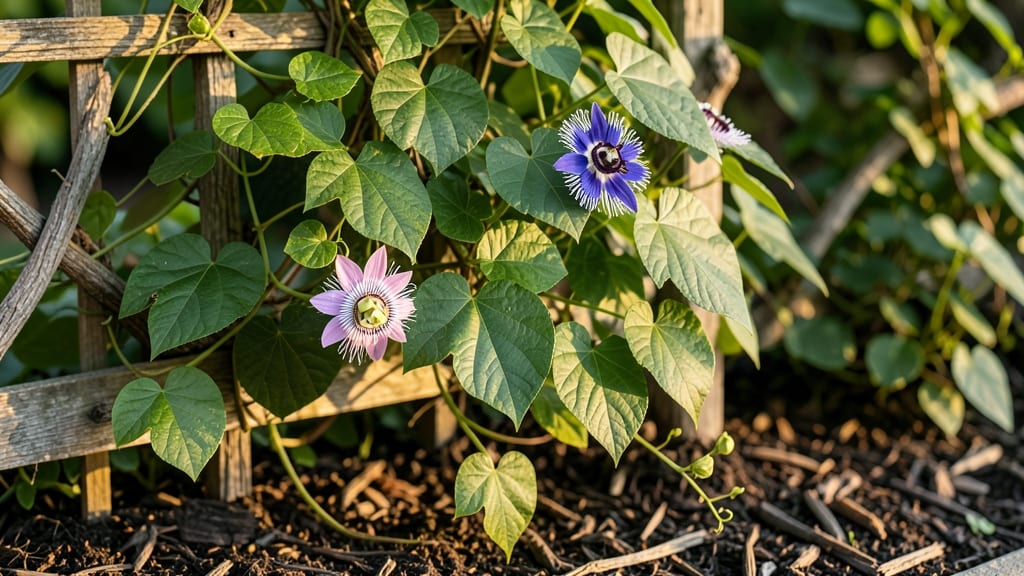
Yes, passion flower is a perennial in most climates, thriving through winters thanks to its thick underground rhizomes that store nutrients and regenerate new growth each spring. Cold-hardy varieties grow reliably in USDA zones 7-11, while tropical species often die back annually without protection.
This hardy nature comes from passion flower's specialized root system, which acts like a built-in survival kit. 🌱 The rhizomes store carbohydrates and moisture, allowing the plant to endure freezing temperatures while remaining dormant. Even when above-ground parts brown in winter, these underground reserves ensure fresh shoots emerge come spring.
What's fascinating is how this differs from true annuals—they complete their entire life cycle in one season, while passion flower's rhizomes let it persist for years.
For gardeners in colder regions, this means less work maintaining passion flower year after year. The key is protecting those rhizomes: mulching heavily in fall or growing in containers that can be moved indoors during freezes.
Varieties like Passiflora incarnata (maypop) are particularly resilient, making them excellent choices for perennial gardens in zones 5-9 with proper winter care.
💡 In This Article
- How Passion Flower Rhizomes Enable Year-Round Survival
- Zones and Care for Growing Passion Flower as a Perennial
How passion flower rhizomes enable year-round survival
Passion flower's perennial nature stems from its specialized rhizomes—thick, horizontal underground stems that function like nature's energy banks. These rhizomes store starches (up to 30-40% of their dry weight during peak growth) and water, creating a nutrient reservoir that sustains the plant through dormancy.
Unlike true annuals that die completely after flowering, passion flower rhizomes remain viable for 5-10 years or more, regenerating foliage each spring when temperatures rise above 50°F. 🌱
The survival mechanism involves temperature-sensitive growth hormones. When nights drop below 40°F, the plant triggers dormancy by converting stored sugars into insoluble starches, which won't freeze. The rhizomes also produce antifreeze proteins (similar to those in winter wheat) that prevent cell damage down to 15°F in cold-hardy varieties.
Tropical passion flowers lack these adaptations, which is why they often die back in frost-prone areas.
What sets passion flower apart from other perennials is its ability to regrow from multiple points along the rhizome. Even if 80% of the above-ground plant dies back in winter, the remaining rhizome segments can produce new shoots.
This redundancy ensures survival even after severe pruning or frost damage. The regrowth process begins when rhizome tips detect rising soil temperatures (55-60°F), prompting cell division within 7-14 days.
Comparing to true annuals like marigolds reveals the difference: annuals complete their lifecycle in one season, relying entirely on seeds for propagation. Passion flower's rhizomes contain meristematic cells (growth centers) that remain active year-round, allowing continuous regeneration.
This biological advantage explains why passion flower gardens often return stronger each year, while annuals require complete replanting annually. 💫
One fascinating adaptation is the rhizome's ability to "sense" winter conditions. When day lengths shorten below 12 hours, the plant increases starch production in its rhizomes—a survival strategy called "photoperiodic induction."
This process is similar to how potatoes store energy in tubers, but passion flower rhizomes are more efficient at retaining moisture in dry climates, making them resilient in both wet and arid conditions.
The rhizome's structure also plays a role in disease resistance. Their thick, waxy outer layer repels soil-borne pathogens that commonly affect annuals. This natural protection means passion flower plants often require 30-50% fewer fungicides than annual vines like morning glories, which are more susceptible to root rot in wet soils.
The rhizome's longevity also means gardeners avoid the annual replanting labor associated with seasonal flowers.