
Plants
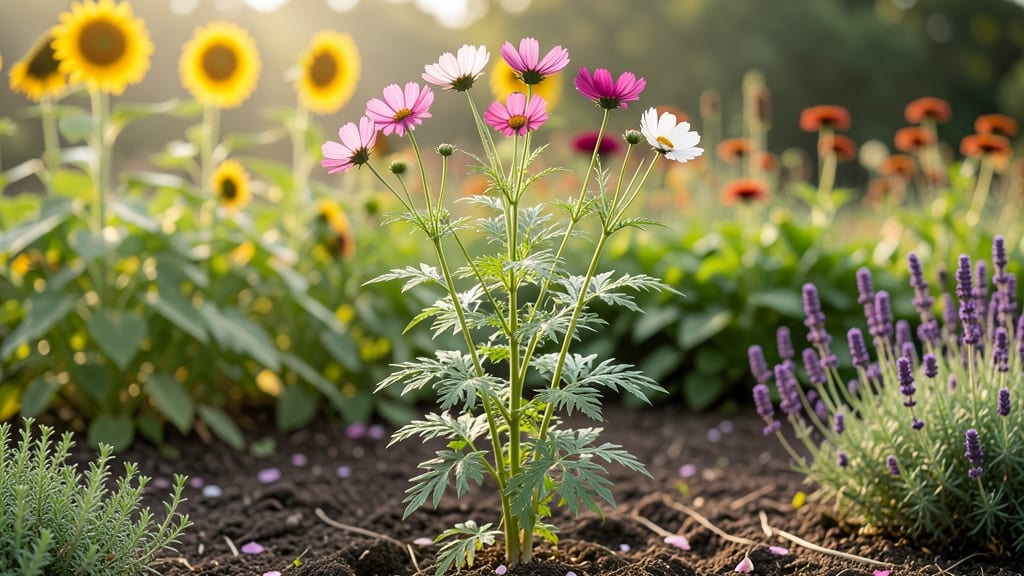
Whether cosmos plants are annuals or perennials depends entirely on your climate: they thrive as annuals in most regions but can act as perennials in frost-free zones by sprouting anew from underground rhizomes each year.
This dual nature comes from their hardy root systems, which store energy to regrow when conditions improve. 🌱 In colder climates, the roots often die back completely, forcing gardeners to replant yearly.
However, in zones with mild winters, you might see cosmos returning stronger than ever—sometimes even without any extra care!
What's fascinating is how species vary: Cosmos bipinnatus (the classic daisy-like variety) is more likely to behave as an annual, while Cosmos sulphureus (with its vibrant orange blooms) sometimes shows better perennial tendencies. The key difference lies in their cold tolerance and how well they adapt to seasonal changes.
💡 In This Article
- How Cosmos Plant Rhizomes Influence Their Lifespan
- Best Practices for Extending Cosmos Growth as Perennials
How cosmos plant rhizomes influence their lifespan
The secret to cosmos plants behaving like perennials lies in their fibrous root system, which includes thick, woody rhizomes that store nutrients and energy. These underground stems—similar to those in daylilies or mint—can survive winter dormancy in mild climates by tapping into stored reserves.
When spring arrives, the rhizomes send up new shoots, creating the illusion of a perennial plant. 🌱 In colder regions, however, these rhizomes often freeze back completely, forcing gardeners to replant each season.
Cold tolerance varies dramatically between species. Cosmos bipinnatus, the most common garden variety with its delicate white or pink blooms, typically struggles in temperatures below 20°F, making it behave as an annual.
Meanwhile, Cosmos sulphureus, with its fiery orange and yellow flowers, often shows better resilience, sometimes surviving light frosts (25-30°F) thanks to its slightly deeper root system. This difference explains why some gardeners report their cosmos returning year after year in coastal or desert climates.
The rhizome's ability to regenerate depends on three key factors: soil moisture, temperature consistency, and protection from extreme cold. In frost-free zones like USDA hardiness zones 9-11, cosmos rhizomes can remain active year-round, producing blooms for multiple seasons without intervention.
However, in zones 5-8, where winter temperatures dip below 15°F, the rhizomes often die back entirely, requiring gardeners to start fresh each spring.
What most gardeners don't realize is that even "annual" cosmos plants may leave behind dormant rhizomes in the soil. These can sometimes resprout if conditions improve—perhaps after a particularly mild winter.
I've seen this happen in my own garden when an unexpected warm spell in late winter coaxes new growth from what appeared to be dead plants. This natural resilience is why some gardeners swear by cosmos as "self-seeding perennials," even if they don't technically qualify.
Rhizome health also affects flower production. Well-established rhizomes in perennial zones often produce more robust plants with longer blooming seasons. In contrast, annual plantings rely on fresh seeds each year, which can lead to less vigorous growth.
The difference in plant stature and flower count between a first-year cosmos and a second-year returner from rhizomes can be striking—almost like comparing a sapling to a mature tree.
For those curious about testing their own cosmos' perennial potential, try this experiment: Leave a few plants uncut in the fall and cover them with 3-4 inches of mulch. If they survive winter, you'll likely see new growth by early spring—a clear sign those rhizomes were hardier than expected.
This hands-on approach can reveal whether your local climate might support cosmos as perennials with minimal effort. 🌿