
Aphids
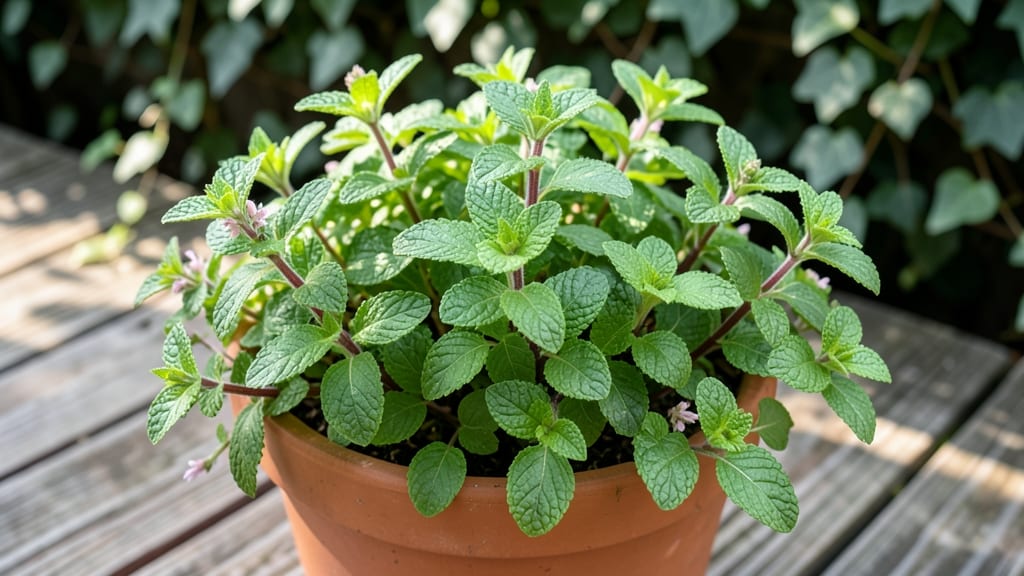
Mojito mint is a perennial plant that thrives continuously in USDA zones 9-11, but in cooler climates it dies back to its roots each winter and regrows annually with proper care.
This means mojito mint behaves like a true perennial in warm regions but acts as a semi-perennial in colder areas. 🌱 Unlike annual herbs that need replanting yearly, mojito mint’s root system survives winter dormancy, allowing it to bounce back stronger each spring.
The key difference lies in its cold tolerance—while it won’t survive freezing temperatures without protection, its roots remain viable underground, ready to sprout when conditions warm up.
For gardeners in zones 3-8, this makes mojito mint a low-maintenance herb when given winter care like mulching or container growing. The plant’s ability to regenerate from roots explains why it’s often sold as a perennial even in cooler climates—with the right protection, it can live for multiple growing seasons.
💡 In This Article
- Mojito Mint’s Perennial Growth Cycle Explained
- How to Overwinter Mojito Mint in Cold Climates
Mojito mint’s perennial growth cycle explained
Mojito mint (Mentha × villosa), also called apple mint, is classified as a perennial because its root system remains alive year-round in warm climates.
Unlike true annuals like basil or cilantro, which complete their entire life cycle in one season, mojito mint develops a robust, fibrous root network that stores energy underground.
This root system can survive temperatures down to 20°F when properly established, though prolonged exposure to freezing conditions will damage or kill the above-ground growth.
The plant’s cold hardiness varies by region: in USDA zones 9-11, mojito mint thrives continuously, producing fresh leaves year-round with minimal care. However, in zones 5-8, it enters dormancy when temperatures drop below 32°F, with the stems dying back to the ground while the roots remain viable.
The regrowth in spring is often more vigorous than the previous season, as the roots have had time to replenish nutrients and energy reserves.
What sets mojito mint apart from other perennial herbs is its aggressive spreading habit—it reproduces both through seeds and underground runners called stolons. These stolons can extend 12-18 inches from the parent plant, creating dense patches.
This growth pattern helps it recover quickly after winter, as new shoots emerge from multiple points along the root system. In contrast, annual herbs like basil must be replanted each year from seed or cuttings, making mojito mint far more low-maintenance for gardeners.
Seasonal behavior also differs from true perennials like rosemary or thyme. Mojito mint grows most actively during spring and fall, with growth slowing in summer heat (above 90°F) and completely halting in winter.
Its leaves remain tender and flavorful throughout the growing season, unlike some perennials that become woody or bitter. This makes it ideal for continuous harvesting, as long as you don’t remove more than one-third of the plant at a time to avoid stressing the roots.
The plant’s resilience comes from its deep taproot system, which can reach 12-24 inches below the soil surface. This depth allows it to access moisture and nutrients even during drought conditions, a trait shared with other mint varieties but more pronounced in mojito mint.
The trade-off is that this deep root system makes it difficult to transplant once established—any disturbance risks damaging the roots and delaying regrowth.
For comparison, true annual herbs like basil (Ocimum basilicum) have shallow root systems that don’t survive winter, while perennial herbs like oregano (Origanum vulgare) have more cold-resistant foliage.
Mojito mint falls somewhere in between—its roots are hardy enough to survive winter in protected conditions, but the above-ground growth requires careful management in colder climates. This semi-perennial behavior explains why it’s often marketed as both a perennial and an annual, depending on your growing zone.