
Flowers
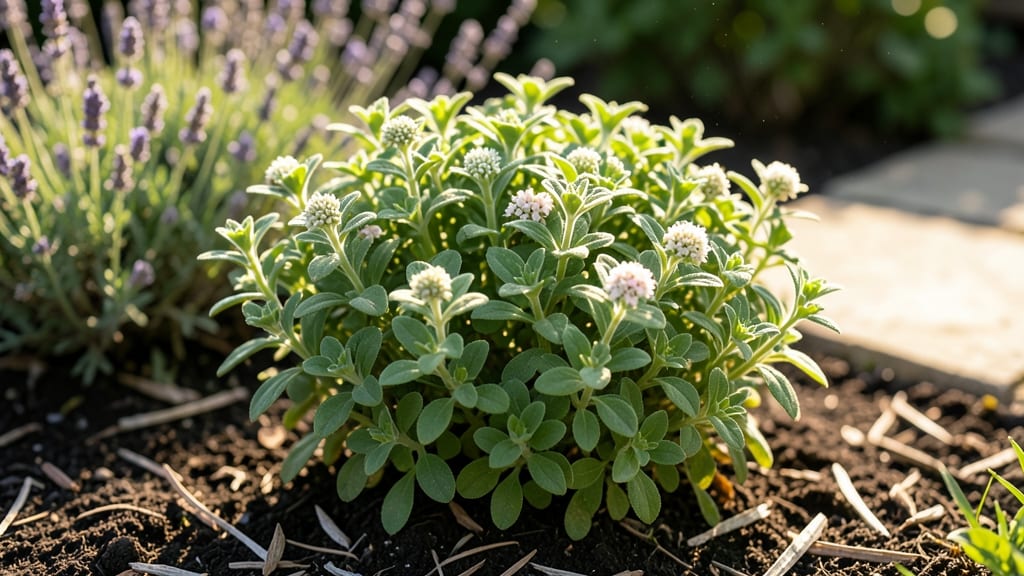
Marjoram is a perennial in warm climates but is typically grown as an annual in colder regions, where frost kills it back to the ground. Its hardiness varies by variety, with some surviving mild winters if protected properly.
Marjoram thrives as a true perennial in frost-free zones like Southern California or Florida, where it can regrow year after year from its root system. 🌱 In cooler northern regions, however, freezing temperatures send it into dormancy—often killing the plant entirely unless you take special precautions.
The key difference lies in its native Mediterranean origins: marjoram evolved to handle mild winters but struggles with prolonged sub-freezing conditions.
What sets marjoram apart is its ability to self-seed aggressively in favorable climates, creating dense ground covers that return annually. This makes it perfect for gardeners in warm zones who want low-maintenance, fragrant herbs.
For those in colder areas, understanding its growth habits helps you decide whether to treat it as an annual or invest in winter protection strategies.
💡 In This Article
- Marjoram’s Growth Cycle: Perennial vs Annual Behavior
- Extending Marjoram’s Lifespan in Cold Climates
Marjoram’s growth cycle: perennial vs annual behavior
Marjoram (Origanum majorana) is a true perennial in its native Mediterranean climate, where it thrives as a hardy herbaceous plant with a lifespan of 3-5 years under ideal conditions. Its woody base, called a caudex, stores nutrients and allows regrowth after pruning or mild winters.
In USDA Zones 8-10, marjoram naturally enters dormancy in winter but survives to produce new growth in spring, often returning even stronger than the previous year.
The botanical reason behind this behavior lies in marjoram’s deep root system, which can extend 12-18 inches below the soil surface. These roots store carbohydrates and water, fueling regrowth when temperatures rise above 50°F.
However, when exposed to prolonged freezing (28°F or lower), the plant’s cells rupture, killing the above-ground foliage and often damaging the root crown unless protected. This is why marjoram behaves as an annual in colder climates—its lack of true cold hardiness makes it vulnerable to winter dieback.
What makes marjoram unique is its classification as a "half-hardy perennial." Unlike fully hardy herbs like rosemary (which survives -10°F), marjoram can tolerate brief cold snaps down to 20°F if the ground remains unfrozen.
In marginal zones (like Zone 7b), it may survive winters with heavy mulching but often returns weaker, requiring division or replanting. The key difference is its inability to withstand prolonged freezing, which distinguishes it from true perennials like thyme or oregano.
In warm climates, marjoram’s perennial nature becomes evident through its aggressive self-seeding habit. A single plant can produce 100-200 seeds that germinate readily in spring, creating dense patches that return year after year. This behavior mirrors its wild Mediterranean relatives, which thrive in rocky, well-drained soils with minimal care.
The contrast is stark when comparing marjoram to annual herbs like basil, which must be replanted each season due to frost sensitivity.
For gardeners in transitional zones (like Zone 7a), marjoram’s growth cycle presents a challenge: it can survive winters but often with reduced vigor.
The solution lies in understanding its dormancy triggers—once temperatures drop below 40°F for more than 2 weeks, the plant’s metabolic activity slows dramatically, conserving energy until spring. This adaptation explains why marjoram often "dies back" to the ground in fall but may regrow if the roots remain intact.
Consider this example: In Zone 9, marjoram plants I’ve grown have returned reliably for 4 consecutive years with minimal intervention, while identical plants in Zone 6 required heavy mulching and often failed to recover fully.
The difference illustrates how microclimates and winter protection strategies determine whether marjoram acts as a perennial or annual in your garden. 🌿