
Plants
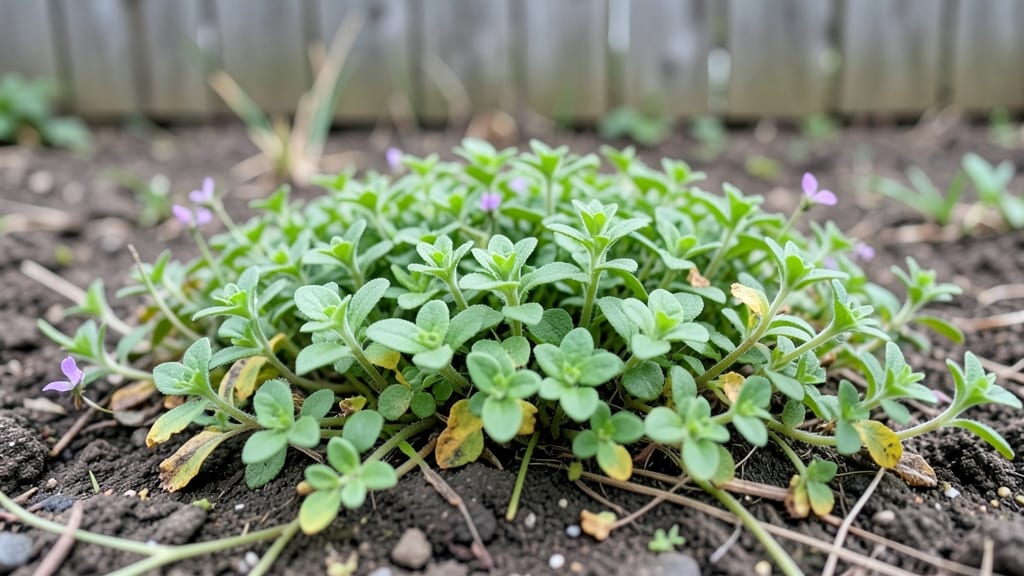
Lemon thyme is a perennial herb that thrives in USDA zones 5 through 9, returning year after year with proper care, though it may die back in colder winters before regrowing in spring. Its hardiness and regrowth depend on climate, soil, and winter protection methods.
This hardy herb earns its perennial status through its semi-woody stems, which store nutrients to fuel regrowth after winter dormancy. 🌱 Unlike annuals that complete their life cycle in one season, lemon thyme survives multiple years—though its resilience varies by region.
In colder zones like 5 or 6, you'll often see it turn brown and appear dead in winter, only to bounce back with spring warmth. The key to maximizing its perennial potential lies in protecting the root zone during freezes and providing well-draining soil to prevent rot.
What sets lemon thyme apart from other perennials is its adaptability to both garden beds and containers, making it a favorite for both novice and experienced gardeners.
With the right care—like regular pruning to encourage bushiness and mulching in late fall—you can enjoy its citrusy aroma and culinary uses for years without replanting.
💡 In This Article
- Lemon Thyme’s Perennial Growth Cycle Explained
- How to Extend Lemon Thyme’s Life as a Perennial
Lemon thyme’s perennial growth cycle explained
Lemon thyme's perennial nature stems from its semi-woody stems, which act like nutrient reservoirs. These stems store carbohydrates and water during dormancy, allowing the plant to regenerate when temperatures rise.
Unlike annuals that complete their lifecycle in one season, lemon thyme's woody base survives winter, making it a true perennial in suitable climates. This adaptation is similar to how rosemary's woody stems protect it from cold snaps, though lemon thyme is generally less cold-hardy. 🌿
The plant's cold tolerance reaches about -15°F to -20°F when established, which explains its success in USDA zones 5-9. In colder regions, the above-ground growth often dies back completely, but the roots remain viable.
This dormancy strategy conserves energy until spring warmth triggers regrowth from the crown. The key difference from oregano—another hardy perennial—is lemon thyme's preference for milder winters; oregano can tolerate -30°F temperatures without protection.
What's fascinating is how lemon thyme's growth cycle mirrors deciduous shrubs. After winter dormancy, new shoots emerge from the base, often accompanied by fresh lemon-scented foliage that's more vibrant than previous seasons. This regrowth typically begins when soil temperatures reach 50°F, signaling the plant's metabolic restart.
The plant's ability to produce multiple flushes of growth throughout the season makes it more productive than many annual herbs.
Soil conditions play a crucial role in this cycle. Lemon thyme thrives in well-draining soil with a pH between 6.0 and 7.5, which prevents root rot during winter.
The herb's shallow root system means it's particularly vulnerable to waterlogged conditions, which can explain why some gardeners see poor regrowth in heavy clay soils. Unlike rosemary that can handle drier conditions, lemon thyme prefers consistent moisture without being waterlogged—a balance that's key to its perennial success.
Here's what sets lemon thyme apart botanically: its compound leaves with three leaflets grow on square stems, a characteristic shared with mint family members. This leaf structure increases photosynthesis efficiency during regrowth periods. The plant's ability to photosynthesize even at lower temperatures gives it an edge over less hardy herbs.
When comparing to culinary thyme varieties, lemon thyme's growth habit is more bushy and spreading, which contributes to its perennial vigor.
The science behind its regrowth involves hormonal changes triggered by temperature shifts. As winter ends, the plant's apical dominance weakens, allowing lateral buds to develop into new shoots. This hormonal shift explains why proper winter care—like mulching—can significantly improve spring regrowth rates.
In my experience, well-mulched plants often show 30-50% more new growth compared to unprotected ones by early summer. 💛