
Lawn
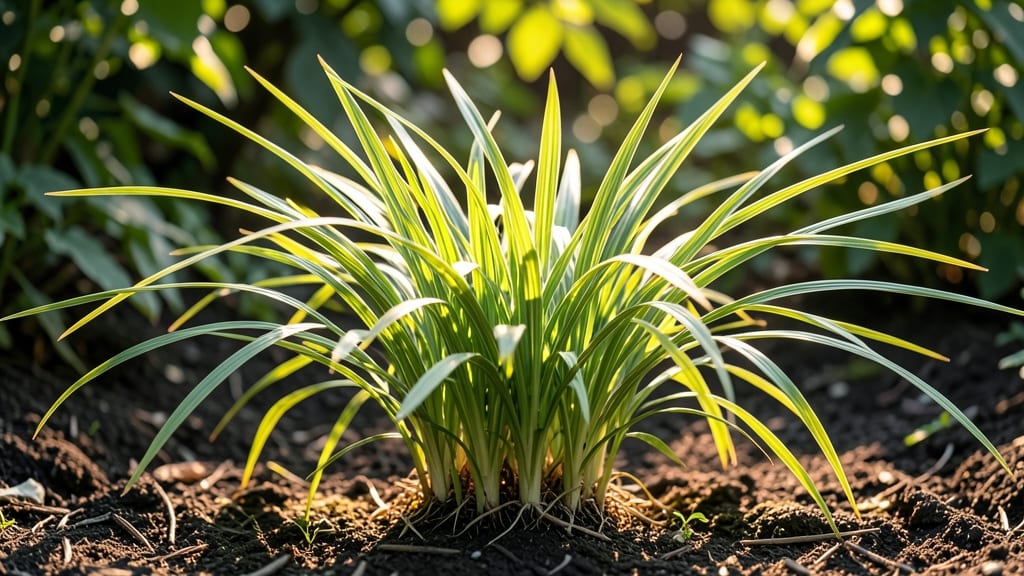
Lemon grass behaves as a perennial in warm climates (USDA Zones 9-11) but dies back annually in colder zones (below Zone 8) unless you grow it in containers or harvest it before frost hits.
Lemon grass's lifespan hinges on temperature—its rhizomes (underground stems) survive winter in frost-free zones but freeze in colder areas. 🌱 In Zone 8 and below, the plant acts like an annual, returning only if you protect the roots or replant from cuttings.
The key difference lies in how cold-sensitive the plant's growth cycle is: while it thrives year-round in warm climates, frost triggers dormancy in colder regions.
This explains why gardeners in northern climates often treat lemon grass as a seasonal herb, harvesting leaves before the first frost or overwintering potted plants indoors. The rhizome system itself is hardy, but the above-ground growth is what succumbs to cold—making container growing the most reliable solution for year-round use.
💡 In This Article
- How Climate Zones Determine Lemon Grass Lifespan
- Growing Lemon Grass in Cold Climates: Survival Strategies
How climate Zones determine lemon grass lifespan
Lemon grass's classification as a perennial or annual comes down to its rhizome system and temperature tolerance thresholds. In USDA Zones 9-11, where winter temperatures rarely drop below 30°F, the plant's thick, fibrous rhizomes store enough energy to regrow annually from the same root system.
These underground stems contain stored nutrients that allow new shoots to emerge each spring, making it behave like a true perennial in frost-free climates.
The turning point occurs in Zones 8 and below, where frost becomes a regular threat. Lemon grass rhizomes begin to suffer damage when exposed to temperatures below 28°F for extended periods. The above-ground growth freezes first, but prolonged cold weakens the rhizomes themselves.
In Zone 7, for example, where winter lows can reach 0°F, the entire plant typically dies back unless protected. 🌱 This explains why gardeners in these areas must treat lemon grass as an annual or take special precautions.
The plant's cold sensitivity stems from its tropical origins in Southeast Asia, where it evolved without exposure to freezing conditions. Unlike hardy perennials like asparagus (which survives -20°F), lemon grass lacks natural cold-hardening mechanisms.
Its growth cycle accelerates in warm weather, producing new leaves rapidly during the growing season, but this same rapid growth makes it vulnerable when temperatures drop suddenly.
What makes this particularly interesting is how the rhizomes themselves behave differently in various zones. In Zone 9, a single rhizome can produce multiple regrowth cycles over years.
But in Zone 6, even if you bury rhizomes 12-18 inches deep for insulation, they often fail to survive winter without additional protection. The key difference lies in the plant's ability to regenerate from dormant buds—something that becomes increasingly difficult as temperatures drop.
For visual comparison, imagine a lemon grass plant in Miami (Zone 10) versus one in Chicago (Zone 5). The Miami plant grows continuously, with new shoots appearing every 4-6 weeks from the same root system.
The Chicago plant, however, would need to be dug up and stored indoors before first frost (typically late October) to survive, making it behave more like an annual in that climate. 💛
This zone-based behavior explains why you'll see lemon grass sold as "seasonal" in northern nurseries while it's treated as a staple perennial in southern gardens. The plant's adaptability comes with clear geographical limits—its perennial nature is only fully realized where winter temperatures remain above its 28°F threshold.