
Flowers
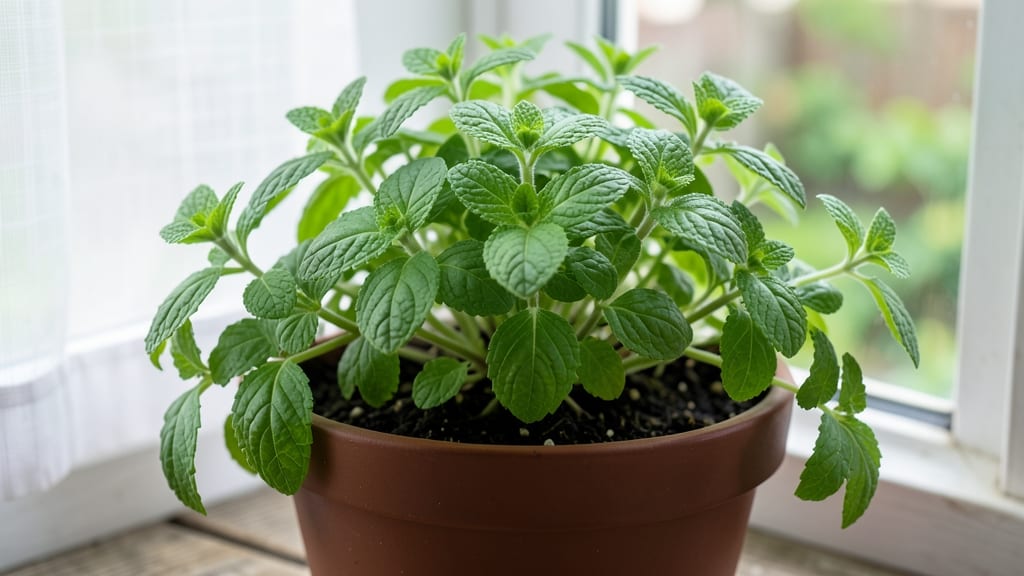
Mint is a perennial, not an annual, in most climates, thriving year-round through its aggressive underground rhizomes that spread horizontally, allowing it to regrow even after cutting. However, in freezing winters, it may die back to the ground only to resprout when temperatures rise.
Mint’s perennial nature comes down to its underground network of roots called rhizomes, which act like a built-in survival system. 🌱 These horizontal stems store nutrients and energy, letting the plant bounce back even after heavy pruning or frost.
In warmer zones, mint grows continuously, while in colder areas, it might look dead in winter but returns stronger in spring. This hardiness makes it a favorite for gardeners who want low-maintenance greenery.
What’s interesting is how mint adapts—it behaves like a true perennial in mild climates but can act more like a winter-dormant plant in freezing regions. This flexibility is why it thrives in containers or garden beds, though its relentless spread often requires containment strategies like root barriers or regular harvesting.
💡 In This Article
- How Mint’s Rhizome System Makes It a Perennial Powerhouse
- Controlling Mint’s Perennial Growth in Gardens
How mint’s rhizome system makes it a perennial powerhouse
Mint’s true secret lies in its rhizome system—thick, horizontal underground stems that function like a plant’s built-in survival kit. Unlike annuals that complete their lifecycle in one season, mint stores carbohydrates and nutrients in these rhizomes, allowing it to regenerate year after year.
These stems grow aggressively, often spreading 12-24 inches annually in ideal conditions, creating a dense network that can regrow even from small fragments left in the soil.
The rhizomes’ ability to store energy is what makes mint a hardy perennial in USDA zones 5-11. In colder zones (like zone 4), the above-ground growth may freeze back to the ground, but the rhizomes remain dormant until temperatures rise above 50°F in spring.
This is why mint often appears dead in winter only to burst back with fresh green shoots within weeks—its underground system has been patiently waiting for warmer conditions. 🌱
This survival mechanism contrasts sharply with true annuals (like basil) that die completely after producing seeds, or biennials (like carrots) that take two years to complete their lifecycle. Mint’s rhizomes also allow it to outcompete weeds by forming a thick mat that blocks sunlight from reaching competitors.
The trade-off? This same system makes mint invasively aggressive—once established, it can dominate garden space if not controlled.
Climate plays a crucial role in how mint behaves. In mild coastal climates (like zone 9-10), mint grows continuously with minimal dormancy. But in continental climates with harsh winters>, the rhizomes enter a deep dormancy phase where metabolic activity slows dramatically.
Even at -10°F, the rhizomes can survive if protected by mulch or snow cover, demonstrating nature’s clever adaptation to extreme conditions.
What’s fascinating is how mint’s rhizomes also enable asexual reproduction. When you cut mint stems for cooking, the remaining rhizome fragments can sprout new plants—this is why mint often appears in unexpected garden corners!
Gardeners leverage this by intentionally dividing clumps every 2-3 years to maintain vigor. The older the rhizomes get, the more they woodify (become woody), which reduces their ability to regenerate efficiently.
This biological resilience explains why mint has been cultivated for thousands of years—from ancient Egyptian temples to modern-day kitchens.
The plant’s ability to regrow from minimal fragments means it’s nearly impossible to eradicate once established, which is both its greatest asset and its biggest challenge for gardeners trying to keep it contained. 💫