
Planting
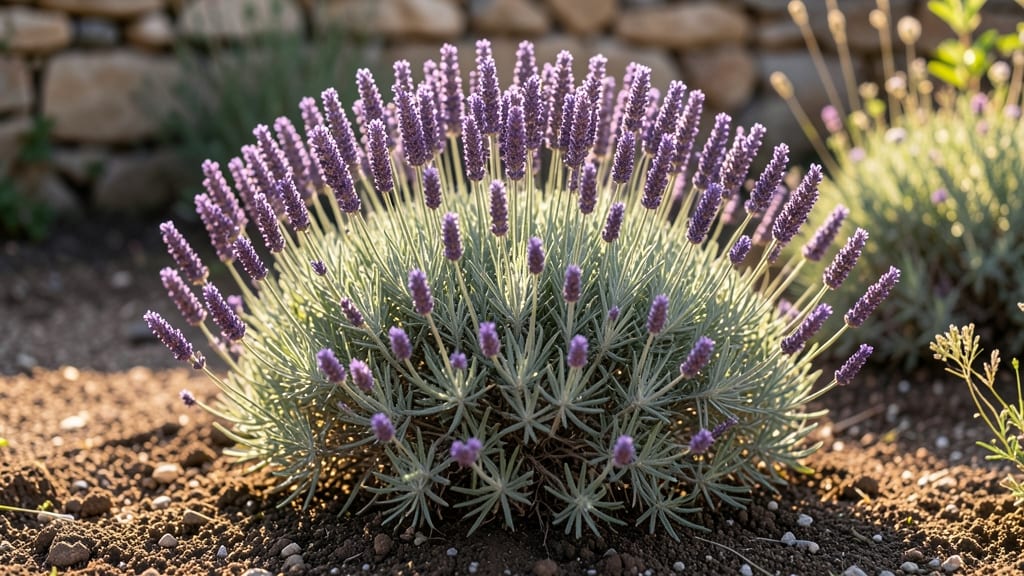
Lavender is a perennial plant in most climates, thriving for multiple years with proper care and returning each spring, though its hardiness varies significantly by species and USDA zone.
This means lavender plants can live for years if given the right conditions—think of it as a low-maintenance shrub that rewards patience. 🌿 Unlike annuals that die after one season, lavender's deep root system lets it survive winter dormancy in zones 5-9, then burst back to life with spring warmth.
The key is choosing the right variety: English lavender handles colder climates better than French types, which often struggle below zone 7. I've seen lavender gardens in zone 6 thrive for over a decade with proper pruning and well-draining soil!
What sets lavender apart is how it adapts: some varieties like 'Munstead' can handle light frosts, while others need winter protection.
The plant's woody stems and aromatic leaves help it conserve energy during dormancy, making it one of the most resilient perennials for gardeners. 💫 Just remember—proper spacing and occasional pruning after flowering will keep your lavender looking lush year after year.
💡 In This Article
- Lavender’s Perennial Growth Cycle Explained
- Best Lavender Varieties for Year-Round Gardens
Lavender’s perennial growth cycle explained
Lavender's perennial nature comes down to its deep, woody root system that stores nutrients and moisture, allowing it to survive harsh winters in zones 5-9. During dormancy, the plant's growth slows dramatically, with roots continuing to absorb water while the above-ground stems become dormant.
This adaptation is similar to how shrubs like rosemary handle cold climates—both rely on underground reserves to regenerate in spring. 🌱 The key difference is lavender's aromatic oils, which act as natural antifreeze, protecting cells from freezing temperatures down to 10°F for hardier varieties.
Spring regrowth begins when soil temperatures reach 55-60°F, triggering new shoots from the root crown. English lavender typically emerges 4-6 weeks earlier than French varieties due to its stronger cold tolerance.
The plant's multi-year lifespan—often 5-10 years with proper care—comes from this persistent root system, which can grow 2-3 feet deep, anchoring the plant and accessing moisture during dry periods. This is why lavender gardens in Mediterranean climates (zones 8-9) can thrive with minimal watering once established.
What most gardeners don't realize is how lavender's flowering cycle works: the buds form in late summer from the previous year's growth, then remain dormant until spring warmth stimulates blooming. This two-year bud development explains why aggressive pruning after flowering can reduce next year's blooms.
The plant's natural growth pattern makes it ideal for perennial gardens—once established, it requires only 1-2 inches of water weekly during dry spells, making it exceptionally drought-tolerant once mature.
Cold hardiness varies dramatically between species: English lavender (like 'Hidcote') handles down to -15°F, while Spanish lavender (Lavandula stoechas) struggles below 20°F. The difference lies in their native climates—English lavender evolved in cooler British hills, while Spanish types come from warmer Mediterranean regions.
This is why zone 6 gardeners often choose English varieties for reliability, while zone 8+ growers can experiment with more delicate types like 'Grosso'.
Soil drainage becomes critical in winter: waterlogged roots can cause rot during dormancy. The plant's natural preference for well-draining, slightly alkaline soil (pH 6.5-7.5) explains why it thrives in rocky, poor soils—conditions that would stress most perennials.
This adaptability is why lavender often outlives annuals in challenging garden spots, making it a true low-maintenance perennial once established. 💫
The real secret to lavender's longevity is its pruning schedule: cutting back one-third of the previous year's growth after flowering encourages bushier regrowth while preventing woody stems from dominating. This practice mimics natural dieback patterns and maintains the plant's compact, aromatic form for 5-10 years or more.